A $32 plastic trash can with twelve drilled holes will outperform a $189 tumbler for most backyard composters. That sounds backwards until you do it for a season and watch the simpler setup produce finished compost faster, cheaper, and with fewer mechanical failures. A trash can compost bin works because the conditions composting actually needs — airflow, drainage, occasional turning, and protection from rain — happen naturally inside a properly modified bin. This guide covers the conversion, the products worth buying off the shelf, and the operating routine that keeps the system stink-free.
Why a Trash Can Works for Composting
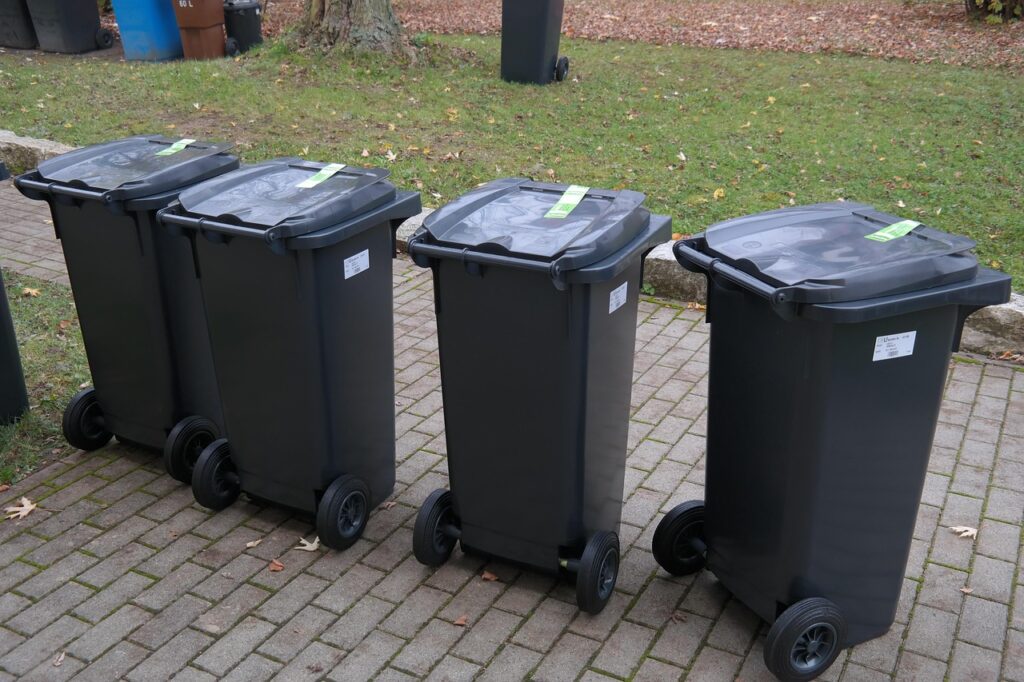
Composting needs oxygen, moisture between 40 and 60 percent, a carbon-to-nitrogen ratio around 30:1, and temperatures the pile can self-generate when volume reaches roughly 27 cubic feet — or the size of a standard 32-gallon trash can. The cylindrical shape and lid solve four problems at once. The walls retain heat. The lid blocks rain that would drown the pile. The base traps enough mass for microbial activity. The vertical sides let you turn the contents by rolling the can on its side.
Compare that to a $200 rotating tumbler. The tumbler holds 37 gallons in two chambers, but each chamber is too small to reach the 130 to 160°F thermophilic stage that kills weed seeds and pathogens. You get cold compost in 8 to 12 months instead of hot compost in 6 to 10 weeks. The trash can wins on volume and thermodynamics.
Tools and Materials for the DIY Conversion
Pick up a Rubbermaid Roughneck 32-gallon can at Home Depot for $19.97 or a Brute 32-gallon at $34.98 for the heavier-duty version. Both are HDPE plastic that handles freeze-thaw cycles without cracking. Add a DeWalt DCD777 drill or any cordless you already own, plus a 1/2-inch spade bit and a 1/4-inch twist bit for drainage holes.
- 32-gallon trash can with locking lid ($20 to $40)
- 1/2-inch spade bit for ventilation holes
- 1/4-inch drill bit for drainage holes
- Sharpie marker for hole placement
- Bungee cord or lid lock to deter raccoons
- Two patio pavers or scrap 2x4s to elevate the bin
Step-by-Step Drilling Pattern
Flip the can upside down on a sawhorse or workbench. Mark twenty 1/4-inch drainage holes across the bottom in a 4-inch grid. Drill straight through. Stand the can upright and mark vertical rows of 1/2-inch ventilation holes 6 inches apart, four rows around the circumference, with holes every 4 inches up the side. That gives you roughly 32 ventilation holes total. Drill the lid too — eight 1/2-inch holes in a circle pattern lets gas escape while keeping the rain out.
Place the finished bin on two patio pavers in a shaded corner of the yard. The pavers create a 3-inch air gap underneath, which prevents the drainage holes from clogging with mud. South or west exposure speeds decomposition in spring and fall but bakes the bin in July — partial shade is the sweet spot.
Loading and Maintaining the Pile
Start with a 4-inch base layer of shredded leaves or straw. Add kitchen scraps in 2-inch layers, then cover each food layer with browns — shredded cardboard, dry leaves, sawdust from untreated wood. Target a 3:1 browns to greens ratio by volume. Keep a 5-gallon bucket of shredded leaves next to the bin so adding browns becomes routine, not a chore.
Roll the can on its side once a week and push it 10 feet across the yard, then stand it back up. That single motion mixes the pile better than any pitchfork. Check moisture by squeezing a handful — it should feel like a wrung-out sponge. If water drips, add browns. If the pile feels dry and dusty, sprinkle a quart of water through the lid holes.
Indoor Kitchen Companion Bins
Pair the outdoor bin with a small countertop collector. The OXO Good Grips Easy-Clean Compost Bin at $24.99 holds 1.75 gallons, fits under upper cabinets, and has a removable lid for dishwasher cleaning. For larger households, the Epica Stainless Steel Compost Bin at $39.95 with charcoal filter handles a week of scraps for a family of four. Empty into the outdoor bin every 3 to 5 days to prevent fruit flies.
Line the indoor bin with BioBag compostable liners — about $0.30 per bag in a 25-pack from Amazon. They handle wet scraps without leaking and break down in the outdoor pile in 60 to 90 days. Skip newspaper liners; ink and moisture create a soggy mess that sticks to the bin walls.
Odor Control and Pest Prevention
A properly run trash can compost bin smells like wet leaves, not garbage. Odor comes from two sources: too much nitrogen (food scraps without enough browns) or anaerobic conditions (compacted, waterlogged pile). The fix for both is browns plus oxygen. Sprinkle a cup of agricultural lime monthly if you compost a lot of citrus or onions to neutralize acidity that attracts flies.
For raccoons, bungee the lid down with a heavy-duty Milwaukee bungee or a Camco RV door strap. For mice, the elevated paver base plus tight lid solves the problem completely. Never add meat, dairy, or oily cooked food — these attract pests no enclosure can defeat. Stick to vegetable scraps, fruit peels, coffee grounds, eggshells, and yard waste.
Pre-Made Trash Can Style Bins Worth Buying
If drilling is not your thing, the FCMP Outdoor IM4000 Tumbling Composter at $109 offers the cylindrical shape with built-in ventilation but with rotation handles. The Geobin Compost Bin at $34.99 is a 246-gallon expandable plastic mesh that works on the same principles at much larger scale. For small spaces, the Algreen Soil Saver at $79 mimics the trash can design with a hinged lid and removable bottom door for finished compost extraction.
Harvesting Finished Compost
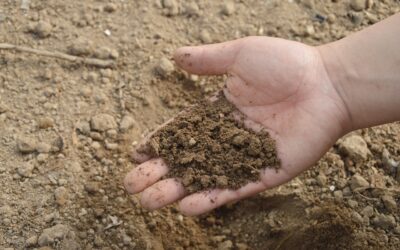
After 8 to 12 weeks of hot composting, the bottom 6 inches of the pile turns dark, crumbly, and earthy-smelling. Tip the can on its side, scoop out the finished compost from the bottom, and let the still-active top material drop back into the bin to continue cooking. Screen through a 1/2-inch hardware cloth screen if you want fine compost for seed starting, or use as-is for garden beds and tree drip lines.
Expect roughly 4 to 6 cubic feet of finished compost per cycle — enough to topdress a 100 square foot vegetable garden at 1/2-inch depth. Three cycles a year from a single trash can saves about $45 in bagged compost annually and keeps several hundred pounds of food scraps out of the landfill.