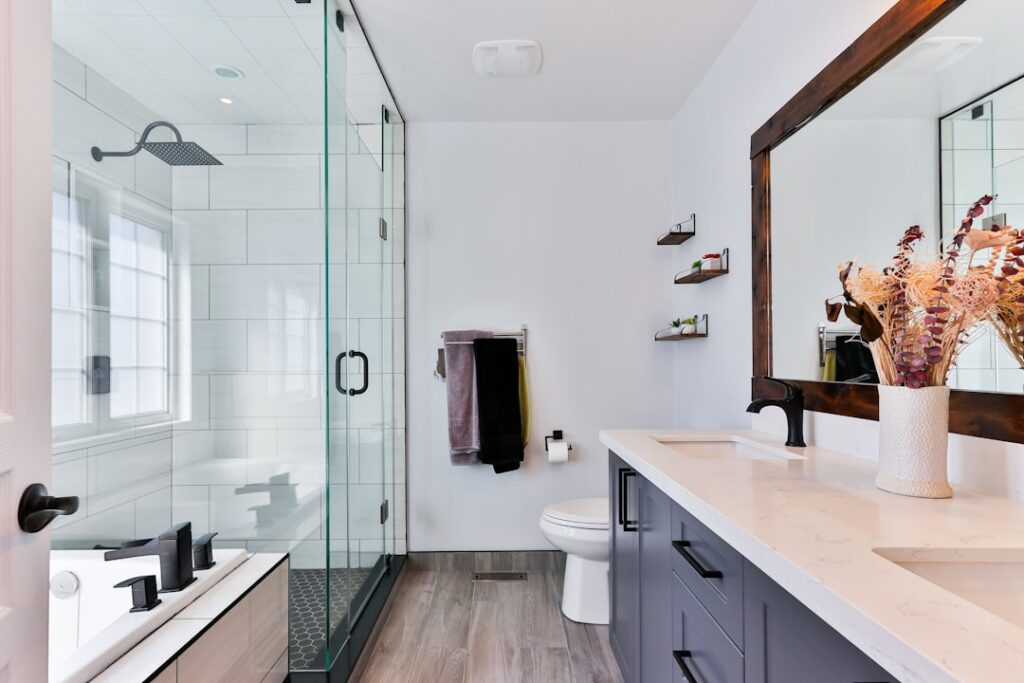
A bathroom remodel touches plumbing, electrical, tile, and waterproofing all in one tight space, which is exactly why hiring the right contractor bathroom professional makes or breaks the project. The difference between a beautiful, leak-free result and a costly disaster usually comes down to who you hire and how well you vet them. This guide walks you through what a good contractor handles, how to choose one, and what to expect for your money.
- What a Bathroom Contractor Actually Does
- General Contractor vs Specialist
- How to Vet a Contractor
- What It Costs
- The Contract: What to Insist On
- Red Flags to Walk Away From
- How Long a Bathroom Remodel Takes
- Hidden Costs to Budget For
- Understanding Allowances and Selections
- Setting Up for a Smooth Project
What a Bathroom Contractor Actually Does
A full-service bathroom remodeling contractor coordinates the entire job from demolition to final caulk. That includes managing the timeline, pulling permits, ordering materials, and bringing in or supervising the trades. On a typical remodel they handle or oversee:
- Demolition and disposal of old fixtures, tile, and drywall.
- Plumbing rough-in and fixture installation, often through a licensed plumber.
- Electrical work for lighting, outlets, exhaust fans, and heated floors, through a licensed electrician.
- Waterproofing, tile setting, and grouting.
- Drywall, painting, vanity and countertop installation, and trim.
A good general contractor is essentially the project quarterback, making sure each trade shows up in the right order and the work passes inspection.
General Contractor vs Specialist
You have a few hiring paths depending on the scope. For a full gut renovation that moves walls or plumbing, a general contractor who specializes in bathrooms is usually the smoothest choice because they manage everything. For a simpler update like a new vanity and fresh tile, you might hire individual tradespeople directly, though that puts the coordination burden on you. Bath-specific remodeling companies offer a middle ground with streamlined products and crews, sometimes at a premium.
How to Vet a Contractor
Choosing well protects your home and your wallet. Take these steps before signing anything:
- Verify licensing and insurance. Confirm the contractor holds the proper state or local license and carries both liability insurance and workers’ compensation. Ask to see current certificates.
- Check references and recent work. Ask for at least three references from jobs completed in the past year, and call them.
- Read independent reviews. Look beyond the contractor’s own website for patterns in feedback.
- Get multiple written bids. Collect three detailed estimates so you can compare scope, not just bottom-line price.
- Confirm who pulls permits. A reputable contractor handles permits and inspections rather than asking you to do it.
What It Costs
Bathroom remodel pricing spans a wide range based on size, finishes, and how much you change the layout. As general US guidance:
- Modest update: roughly $5,000 to $12,000 for new fixtures, vanity, and surface finishes without moving plumbing.
- Mid-range full remodel: roughly $12,000 to $30,000 for quality materials and a refreshed layout.
- High-end or master bath: $30,000 and up, especially when relocating plumbing or adding luxury features.
Labor commonly accounts for 40 to 65 percent of a bathroom project, which is why skilled contractor selection matters so much.
The Contract: What to Insist On
Never start work on a handshake. A solid contract should spell out the full scope, a detailed materials list with allowances, a payment schedule tied to milestones, a start and completion timeline, and how change orders are handled in writing. Avoid paying large sums upfront. A common structure is a modest deposit, progress payments at defined stages, and a final payment only after the work passes inspection and you have signed off.
Red Flags to Walk Away From
Some warning signs are worth heeding immediately. Be wary of a contractor who demands full payment upfront, refuses to provide a written contract, has no verifiable license or insurance, pressures you to skip permits, or gives a bid dramatically lower than every other quote. A price that seems too good to be true usually hides skipped steps like waterproofing, which leads to expensive water damage down the road.
How Long a Bathroom Remodel Takes
Setting realistic timeline expectations prevents frustration. A straightforward cosmetic update with new fixtures and finishes might take one to two weeks. A standard full remodel with new tile, vanity, and a reconfigured layout commonly runs three to five weeks. A large master bath or a project that moves plumbing and walls can stretch to six weeks or more. Delays often come from custom orders, backordered materials, hidden problems like water damage discovered during demolition, and the lead time for inspections. A good contractor builds a buffer into the schedule and communicates promptly when something shifts.
Hidden Costs to Budget For
The bid is rarely the final number, so set aside a contingency of 10 to 20 percent for surprises. Older homes in particular can reveal rot, mold, outdated wiring, or corroded plumbing once the walls open up, and these must be fixed before the new work goes in. Other commonly overlooked costs include permit fees, dumpster rental and debris removal, upgrading the exhaust fan or electrical to meet code, and the price of materials that exceed the contractor’s standard allowances. Discuss allowances clearly upfront so you know how much room you have for tile, fixtures, and countertops before triggering an overage.
Understanding Allowances and Selections
Many contracts include allowances, which are budgeted dollar amounts for items you choose yourself, such as tile, faucets, lighting, and the vanity. If your selections cost more than the allowance, you pay the difference; if less, you may get a credit. Reading these numbers carefully prevents sticker shock. Make your selections early and within budget so the project stays on track, and confirm in writing how change orders affect both price and timeline. Clear communication about selections is one of the best ways to keep a remodel from ballooning past your expectations.
Setting Up for a Smooth Project
Once you have hired the right pro, set the project up to succeed. Make your selections, from tile to faucet to paint color, before work begins so material delays do not stall the crew. Keep a single point of contact, document decisions and changes in writing, and do not micromanage daily but do check progress at each milestone. A respectful, clear working relationship gets you the best result.
The right bathroom contractor turns a stressful, complex renovation into an organized project with a beautiful, durable finish. Verify their credentials, compare detailed bids, lock in a clear contract, and you will protect both your investment and your sanity.