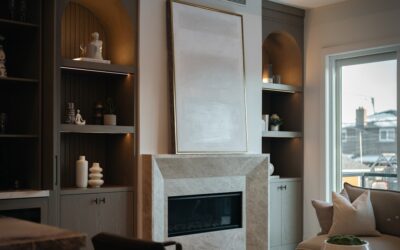
A window treatment lives or dies on its hardware, and the metal you choose sets the whole tone. Copper curtain rods bring a warmth that chrome and black iron simply cannot, casting a rosy glow that flatters everything from farmhouse linen to mid-century velvet. Copper also happens to age beautifully, developing a living patina over time, though you can also lock in a bright polished finish if you prefer. This guide covers the finishes, sizing, mounting, and care that make copper hardware a standout choice rather than a maintenance headache.
Why Copper Works So Well
Copper occupies a sweet spot among metal finishes. It reads warmer than silver-toned nickel or chrome and softer than the hard graphic punch of matte black, which lets it complement a huge range of palettes. Against cream and beige it feels cozy; against deep navy or forest green it pops with a jewel-like richness; against terracotta and rust it harmonizes into a warm, layered look.
There is also a design-longevity argument. Warm metals have surged in popularity over the last several years, and copper’s natural, organic character sidesteps the cold, showroom feel that dates some interiors. It suits farmhouse, industrial, boho, and even traditional rooms with equal ease.
Real Copper vs Copper Finish
Shop carefully, because “copper” on a product page means two very different things:
- Solid or copper-plated metal: genuine copper on the surface, which develops a natural patina and can be polished back to shine
- Copper-finish (faux): a steel or aluminum rod coated with a copper-colored paint or powder coat that never patinas and can chip
Neither is wrong, but they behave differently. Real copper is more expensive and changes over time, which some people love and others want to prevent with a lacquer coat. A copper-finish rod costs less, stays a consistent color, and resists tarnish, but a scratch reveals the base metal underneath. Decide whether you want a living finish or a stable one before you buy.
Understanding Patina
Left untreated, copper reacts with air and moisture and slowly shifts from bright penny-orange toward deeper browns and eventually a blue-green verdigris over many years. This patina is prized in some settings for its antique, weathered character.
If you want to keep copper bright, look for rods finished with a clear lacquer or protective coating that seals the surface. If you love the aged look, choose raw or waxed copper and let it evolve. You can also speed up or control patina with commercial patina solutions, but for most homeowners simply choosing a lacquered or raw rod based on preference is enough.
Sizing the Rod
Getting the dimensions right is what makes drapery look tailored rather than skimpy. Follow these proven proportions:
- Width: extend the rod 8 to 12 inches beyond the window frame on each side so open curtains clear the glass and the window looks larger
- Height: mount the rod 4 to 6 inches above the window frame, or higher toward the ceiling to make walls feel taller
- Diameter: a 1-inch or 1 1/4-inch rod suits most rooms; go to 1 1/2 inches for tall windows and heavy drapes
- Finials: account for the decorative end caps, which add 2 to 4 inches of total length
The extension beyond the frame is the detail amateurs skip. Those extra inches let the curtains stack fully off the glass when open, flooding the room with light and making the window read as grander than it is.
Mounting Securely
A curtain rod carries real weight, especially with lined or blackout drapery, so mounting matters:
- Mark your bracket height and width, using a level to keep the rod perfectly horizontal
- Locate wall studs where possible; anchor directly into them for the strongest hold
- Where studs are not available, use appropriately rated drywall anchors (toggle bolts for heavy drapes)
- Add a center support bracket for any rod spanning more than 60 inches to prevent sagging
- Hang the panels and confirm the rod holds without flexing under the load
That center bracket is non-negotiable on wide windows. A copper rod stretched across a 90-inch opening with heavy velvet will bow visibly in the middle without midspan support, no matter how sturdy the metal.
Pairing Copper With Curtains
Copper flatters certain fabrics beautifully. Natural linen in oatmeal, cream, or soft white lets the warm metal shine. Deep jewel tones like emerald, sapphire, and burgundy create a rich, layered look against copper. Rust, terracotta, and blush pull the copper tone into the fabric for a monochromatic warmth.
Coordinate your other metals too. Copper plays nicely with brass and gold in a warm-metal mix, but pairing it with cold chrome or polished nickel in the same sightline can feel jarring. When in doubt, keep the metals in a room within the same temperature family.
Choosing the Right Finials
The finials, those decorative caps on each end, do more to set the mood than most people realize. Copper rods come with a range of end styles, and the right one ties the whole window together. A simple ball or knob finial keeps things understated and modern. A spear or urn shape reads more traditional and formal. Industrial-style flat caps or pipe fittings lean into the raw, utilitarian look that pairs so well with copper’s warmth.
Scale matters too. Oversized finials on a short rod look top-heavy, while dainty ends on a wide, thick rod get lost. As a rule, match the finial’s visual weight to the rod diameter and the window size. On a wide 90-inch window with 1 1/4-inch copper rod, a substantial finial anchors the composition; on a small bathroom window, keep the ends modest.
Copper in Different Rooms
Copper’s versatility lets it work throughout the house, though each room asks for a slightly different approach. In the living room, a polished or lacquered copper rod with flowing linen drapery creates a warm, inviting focal point. Bedrooms benefit from copper paired with blackout-lined panels in deep, restful tones, where the warm metal softens the darkness of heavier fabric.
Kitchens and bathrooms introduce a caution: moisture accelerates patina on raw copper, so lacquered or sealed rods hold up better in humid rooms. In a farmhouse kitchen, a raw copper cafe rod with a patina actually enhances the lived-in charm. Home offices and reading nooks suit copper solar-screen or roller pairings, where the warm hardware balances the practicality of glare control. Wherever you place it, copper brings a grounded warmth that cooler metals cannot replicate.
Keeping Copper Looking Its Best
Care depends on which finish you chose. Lacquered and copper-finish rods need only occasional dusting with a soft dry cloth; avoid abrasive cleaners that scratch the coating. Raw copper that you want kept bright can be cleaned with a paste of lemon juice and salt or a dedicated copper polish, then buffed dry. If you love the patina, leave it alone and let time do the work.
Copper curtain rods deliver warmth, character, and genuine staying power for a modest investment, usually $20 to $80 per rod depending on length and whether it is solid or finished. Choose the right finish for the look you want, size it generously beyond the frame, mount it into solid backing, and it will frame your windows handsomely for many years.
One final tip for shoppers on a budget: you do not have to buy solid copper to get the look. A quality copper-finish rod delivers nearly identical warmth for a fraction of the cost, and in most rooms no one will ever touch the rod closely enough to tell the difference. Save the solid copper for a statement window where the living patina is part of the appeal, and use finished rods elsewhere. That mix keeps the warm-metal look consistent throughout the home while keeping the total spend reasonable.