
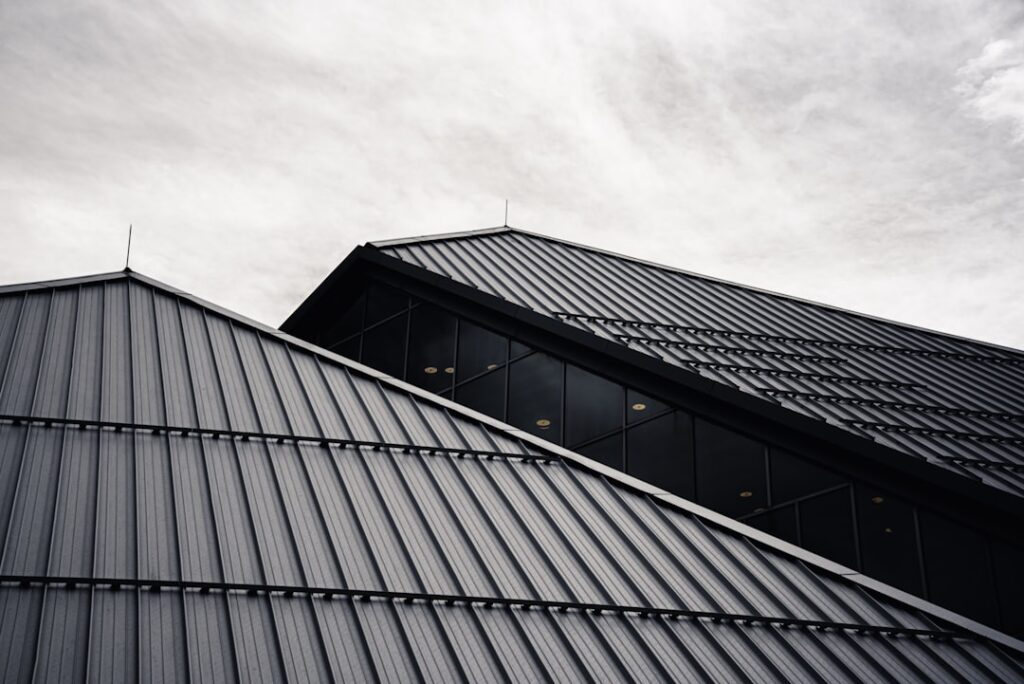
Corrugated roof sheets earned their reputation the honest way: they are cheap, tough, light, and fast to install, which is why you see them on everything from barns and workshops to carports, sheds, and patio covers. That familiar wavy profile is not decoration. Those ridges and valleys stiffen a thin sheet so it spans farther and sheds water aggressively down the channels. I have hung a lot of corrugated over the years, and the difference between a roof that lasts 40 years and one that leaks in two comes down to picking the right material and getting the fastening and overlaps right.
Part of our Roofing guide — explore the full guide →
This guide breaks down the common sheet materials, the profiles you will see at the supplier, real costs, and the installation details that keep water on top of the roof where it belongs.
What “Corrugated” Actually Means
Corrugated refers to the sheet profile, the repeating round or trapezoidal waves pressed into the panel, not the material it is made from. The corrugations do two things. They add rigidity, so a sheet that would flop like paper flat becomes stiff enough to span across purlins spaced a couple feet apart. And they create drainage channels that funnel water down the valleys to the eave fast.
The classic round-wave profile is the traditional corrugated look, often specified by the wave dimension, like a 7/8-inch corrugation. Trapezoidal or box-rib profiles have flatter tops and squared ribs, which are stiffer and common in modern metal panels. Both shed water; the choice is mostly about strength, span, and appearance.
Metal Corrugated Sheets
Metal is the most common and, for a permanent roof, usually the best value. Galvanized steel is steel coated in zinc for rust protection, the traditional barn material, and it is the budget option. Galvalume, coated in a zinc-aluminum blend, resists corrosion significantly better and is what I spec for most metal roofs today. Aluminum sheets weigh less and never rust, making them the pick near saltwater, though they dent more easily and cost more.
Metal corrugated sheets bring real advantages:
- Long life, commonly 40 to 60 years for a quality Galvalume or coated panel.
- Light weight, so they install over modest framing.
- Non-combustible, a real plus in wildfire country.
- Reflective finishes that cut summer heat gain.
The tradeoffs are noise in heavy rain without an underlayment, and the need to manage condensation and thermal movement. For a workshop, barn, garage, or even a house in the right style, coated steel corrugated is hard to beat on cost per year of service.
Polycarbonate and PVC Sheets
When you want light to come through, corrugated polycarbonate matches the metal profile but in a clear, tinted, or opal plastic that transmits daylight. It is the go-to for carports, patio covers, and the sunny side of a lean-to where you want brightness underneath. Polycarbonate is nearly unbreakable and shrugs off hail, but it must have a UV-protective face installed up or it yellows in a few years.
Corrugated PVC and its fiber-reinforced cousins fill a middle ground: cheaper than polycarbonate, translucent or opaque, and resistant to many chemicals, which makes them common over agricultural and industrial structures. PVC is less impact-tough than polycarbonate and can get brittle with age and cold, so I treat it as an economy option rather than a long-term one. Mixing a few clear polycarbonate sheets into a metal roof is a classic trick to daylight a shop without wiring more lights.
Bitumen and Fiber-Cement Options
Corrugated bitumen sheets, sold under names like Onduline and Ondura, are asphalt-saturated fibers formed into lightweight, flexible panels. They cut with a handsaw, weigh very little, and are quiet in rain, which makes them popular for sheds, chicken coops, garden buildings, and DIY projects. They will not last as long as metal, generally 15 to 25 years, and they can soften in extreme heat, but the price and easy handling win for small outbuildings.
Fiber-cement corrugated sheets are the heavy-duty, fire-resistant, industrial choice, common on agricultural buildings. They are durable and non-combustible but heavy and brittle to handle, and older sheets may contain asbestos, so any removal of vintage fiber-cement roofing needs proper testing and precautions. For a new residential-scale job, metal or polycarbonate almost always makes more sense.
What Corrugated Roof Sheets Cost
Corrugated is popular precisely because it is affordable. Rough material pricing runs like this: galvanized steel around $1 to $2.50 per square foot, Galvalume and better coated steel $2 to $4, aluminum $2.50 to $5, corrugated polycarbonate $1.50 to $4, PVC $1 to $3, and bitumen sheets $1.50 to $3. Trims, closures, fasteners, and underlayment add to the total.
For an installed metal corrugated roof, figure roughly $4 to $9 per square foot with labor on a straightforward structure. A DIY shed or carport in corrugated metal or polycarbonate can come in well under that since the sheets go up fast with basic tools. Compared with shingles, tile, or standing seam, corrugated is the low-cost path to a durable, weathertight roof.
Fastening, Overlaps, and Install Tips
Installation is fast but unforgiving of shortcuts. Get these right:
- Fasten through the ridges, the high points, using screws with sealing washers, not through the valleys where water runs. Screwing the valleys is the number-one cause of leaks.
- Snug the screws until the rubber washer just compresses. Overdriving dimples the metal and breaks the seal; underdriving lets water and wind in.
- Overlap sheets side to side by at least one full corrugation, two on low slopes, and overlap end laps by 6 inches or more up the slope.
- Keep a minimum pitch, generally around 3 to 5 degrees or steeper; corrugated does not like near-flat roofs where water can pond and creep back under laps.
- Use foam closure strips at the ridge and eave to seal the open corrugations against wind-driven rain and pests.
- For metal over an enclosed space, run a synthetic underlayment or a condensation-control membrane so sweat on the underside does not drip.
Cut metal panels with tin snips or a nibbler, not an abrasive grinder wheel that throws hot sparks and scorches the coating, which invites rust. Handle the sheets by the edges to avoid kinks. Get the material choice, the overlaps, and the ridge fastening right, and corrugated roof sheets will keep a building dry for decades at a price no other roofing can match.
Framing, Purlins, and Slope
Corrugated sheets do not go on solid decking like shingles; they span across horizontal supports called purlins, and getting that framing right is half the job. For a metal corrugated roof, purlins are typically spaced around 24 to 36 inches on center depending on the panel gauge and the snow load, with heavier snow country calling for closer spacing so the sheets do not deflect under weight. Thinner or lighter materials like bitumen and PVC want tighter support still.
Slope is the other framing decision that people get wrong. Corrugated roofing needs a minimum pitch to drain, and near-flat installs invite water to creep back under the side and end laps by capillary action. A slope of at least a 1-in-12 rise is a common floor, and steeper is better for shedding water and snow. On very low slopes, increase the lap and run continuous sealant tape in the overlaps. Run the sheets so the exposed edge of each side lap faces away from the prevailing wind, which keeps wind-driven rain from being pushed up under the joint.
Condensation, Coatings, and Longevity
The hidden enemy of a metal roof over an enclosed or heated space is condensation. Warm, moist air inside meets the cold underside of the metal and sweats, dripping back down as if the roof were leaking. Over a workshop or a heated outbuilding, install an anti-condensation membrane or a felt-backed panel, or add a ventilated air gap and insulation beneath, so that moisture never forms on the bare metal. An open barn breathes on its own, but a closed building needs this detail or you will chase phantom leaks for years.
Coatings determine how long the metal lasts. A basic galvanized sheet may start showing rust at the cut edges and fastener holes within a decade in a wet climate, while a quality Galvalume or a factory-applied polymer paint finish can shrug off corrosion for 40 years or more. Touch up any scratches or cut edges with a matching zinc-rich or coating repair paint so bare steel never sits exposed. Keep the roof clear of trapped leaves and standing debris in the valleys, and a well-coated corrugated metal roof will outlast several shingle roofs on the same building.
Frequently Asked Questions
What gauge corrugated metal is best for roofing?
For most sheds, garages, barns, and homes, 26-gauge steel is the common choice, balancing strength, dent resistance, and cost. Thinner 29-gauge sheets are cheaper and fine for small, sheltered outbuildings with close purlin spacing, while 24-gauge is stiffer and suits heavy snow loads or wider spans. A lower gauge number means thicker metal.
What size are corrugated roof sheets?
Round-wave corrugated metal sheets are commonly about 26 inches wide and cover roughly 24 inches after the side overlap, while many trapezoidal panels cover about 36 inches. Lengths usually run from 8 to 16 feet off the shelf, with longer sheets cut to order so a slope can be covered in one piece without end laps. Always plan coverage using the net width after overlaps.
What is the difference between corrugated and PBR panels?
Corrugated sheets have rounded, repeating waves, while PBR panels have tall trapezoidal ribs with flat areas between them and an extra purlin bearing leg on the overlap edge that strengthens the side lap. PBR panels are usually heavier, cover about 36 inches per sheet, and are common on commercial and agricultural buildings. Both are through-fastened with sealing-washer screws.
Can you walk on corrugated roof sheets?
Only with care. On metal sheets, step over the purlins, never midspan, and spread your weight with soft-soled shoes to avoid dents. Never walk directly on polycarbonate, PVC, fiber-cement, or bitumen sheets, since they can crack or give way; use crawl boards spanning several supports. Any roof work needs proper fall protection, and steep or high roofs are best left to a roofing pro.
Can corrugated metal sheets be used for siding or fences?
Yes. Corrugated metal is widely used as siding on barns, sheds, and modern homes, and as fence panels set into wood or steel frames. Run the corrugations vertically on walls so water drains, fasten into framing with sealing-washer screws, and use trims at corners and openings. Seal or cover cut edges, and keep the bottom of the sheets clear of soil to prevent rust.


