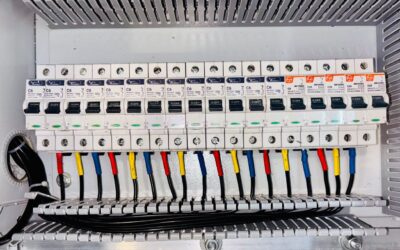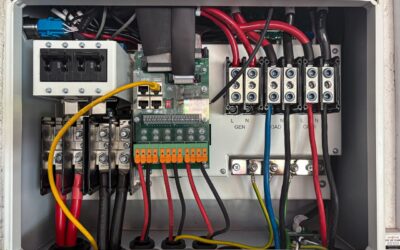
The cost to replace electrical panel typically ranges from $1,500 to $4,000 for most residential projects. Your actual price depends on the amperage rating, local permit requirements, and whether your utility company needs to disconnect and reconnect service. Understanding these cost factors helps you budget accurately and avoid surprises on bid day.
Average Costs by Panel Size
Panel size is measured in amps and directly correlates with how much electrical load your home can handle. Older homes with 60-100 amp panels often need upgrades to support modern appliances, HVAC systems, and EV chargers.
- 100-amp panel: $1,200-$2,000 — suitable for small homes under 1,500 sq ft without heavy electrical loads
- 150-amp panel: $1,500-$2,500 — handles most mid-size homes with standard appliances
- 200-amp panel: $1,800-$3,500 — the current standard for new construction and most upgrades
- 320-amp panel: $3,000-$5,000 — large homes with workshops, pools, or multiple HVAC units
- 400-amp panel: $4,000-$8,000 — estates, multi-unit properties, or homes with extensive electrical demands
What Drives the Cost
Labor accounts for 60-70% of the total cost to replace electrical panel equipment. Licensed electricians charge $75-$150 per hour, and a straightforward 200-amp panel swap takes 6-10 hours. Complex jobs involving meter base replacement, rewiring, or relocating the panel push labor time to 12-16 hours.
The panel box itself costs $150-$500 for residential models. Square D Homeline and Eaton BR series are the most commonly installed brands, running $200-$350 for a 200-amp, 30-space panel. Breakers add $5-$15 each for standard single-pole, $15-$40 for AFCI or GFCI breakers now required by code in most circuits.
Permit and Inspection Fees
Nearly every jurisdiction requires a permit for panel replacement. Permit fees range from $75 to $400 depending on your city or county. The inspection process typically involves a rough inspection before the panel is closed up and a final inspection after completion.
Some areas also require a utility disconnect/reconnect, which the power company handles at no charge in most cases — though scheduling can add 1-3 weeks to your project timeline. Skipping permits to save money is a serious mistake. Unpermitted electrical work creates liability issues, insurance complications, and problems when you sell the home.
Signs You Need a Panel Replacement
Frequent breaker trips under normal loads indicate your panel cannot handle your home’s electrical demand. A 60-amp or 100-amp panel in a home with central air, an electric dryer, and a modern kitchen is simply undersized. Breakers that will not stay reset, scorching or burn marks on the panel, and a burning smell near the box are emergency warning signs.
Federal Pacific Electric (FPE) Stab-Lok panels and Zinsco panels are known safety hazards with documented failure rates. Insurance companies increasingly refuse to cover homes with these panels. If your home has either brand, replacement is not optional — it is a safety necessity regardless of whether you are experiencing problems yet.
200-Amp Upgrade Breakdown
A 200-amp upgrade is the most common project and the best value for most homeowners. Here is a typical cost breakdown for this job:
- Panel box and breakers: $400-$800
- Electrician labor (8-10 hours): $600-$1,500
- Permit and inspection: $75-$400
- Meter base replacement (if required): $200-$500
- Service entrance cable: $100-$300
- Miscellaneous (wire, connectors, grounding): $50-$150
Total for a typical 200-amp upgrade: $1,800-$3,500. Urban areas and high-cost-of-living regions like California, New York, and the Pacific Northwest tend to land at the higher end of these ranges.
Ways to Save on Panel Replacement
Get at least three quotes from licensed electricians. Prices vary significantly, and bids for the same job can range from $1,800 to $4,200 in the same city. Ask each contractor for an itemized estimate so you can compare apples to apples.
Schedule during slower seasons (late fall and winter) when electricians have more availability and may offer better pricing. Avoid adding unnecessary upgrades during the panel swap — a whole-house surge protector ($200-$300 installed) is worthwhile, but rewiring circuits that are functioning safely can wait. Keep the panel in its current location since relocating it adds $500-$1,500 in labor and materials.
DIY vs. Professional Installation
Panel replacement is not a DIY project. Working inside an electrical panel with live utility feeds exposes you to 200+ amps of current that can cause fatal electrocution. Most jurisdictions legally require a licensed electrician for this work, and permits will not be issued to homeowners in many areas.
Even experienced DIYers who handle their own outlets and switches should hire a professional for panel work. The cost to replace electrical panel equipment professionally is a worthwhile investment in safety, code compliance, and proper warranty coverage on the equipment. Most reputable electricians offer 1-3 year labor warranties on top of the manufacturer’s panel warranty, which typically runs 10-25 years. Your homeowner’s insurance may also require proof of permitted, professional electrical work — unpermitted panel upgrades have been grounds for claim denial after electrical fires.