
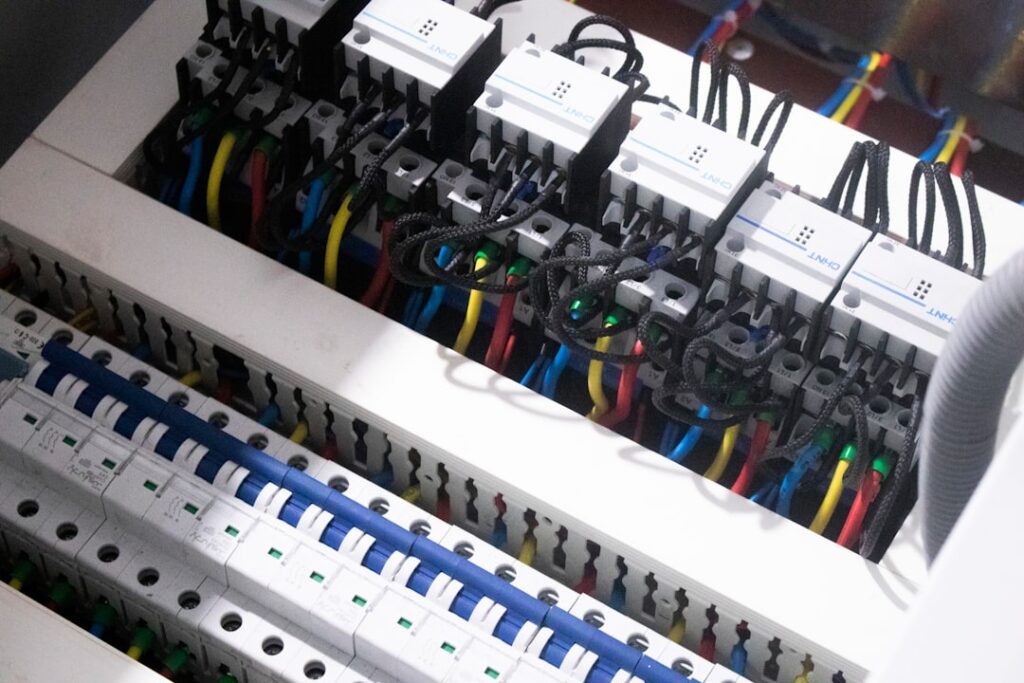
Few home projects are as invisible yet as important as the box that feeds power to everything you own, and the electrical panel installation cost reflects both the specialized labor and the safety stakes involved. Most homeowners pay between $1,300 and $4,000 to install or replace a panel, with the national average landing around $2,000 to $2,500. Upgrading from an outdated 100-amp panel to a modern 200-amp service, replacing a failing or recalled panel, or adding a subpanel each carry different price tags. Because this is work no one should DIY, understanding the cost drivers helps you judge whether an electrician’s quote is fair.
An electrical panel is the heart of your home’s wiring, distributing power and protecting circuits from overload. When it is undersized, corroded, or of a discontinued and hazardous brand, upgrading is not cosmetic, it is a safety necessity. Here is what shapes the price.
Average Cost by Panel Size
Amperage is the primary cost variable. Upgrading to a 100-amp panel, suitable for a small home with modest electrical demand, runs roughly $1,200 to $2,500 installed. The most common upgrade today is to a 200-amp panel, which handles modern loads like central air, electric ranges, EV chargers, and heat pumps, and typically costs $1,800 to $4,000 installed.
For large homes or those with heavy power needs, a 400-amp service can run $3,000 to $6,000 or more, often requiring two 200-amp panels or a special meter setup. The panel hardware itself is a relatively small part of the bill at $150 to $600; the bulk of the cost is skilled labor, permits, and the utility coordination involved in a service change. That labor-heavy nature is why quotes vary widely by region.
Replacement Versus Upgrade Versus Subpanel
Not every panel job is the same, and the type of work changes the price. A straight replacement, swapping an old panel for a new one of the same amperage in the same location, is the simplest and cheapest scenario, often $1,300 to $2,500. Here the electrician reuses much of the existing wiring and service connection.
A capacity upgrade, increasing your service from, say, 100 to 200 amps, costs more because it involves coordinating with the utility, possibly upgrading the meter base, service entrance cable, and grounding, and passing inspection. Adding a subpanel to serve a garage, addition, or workshop is a separate project, typically $500 to $1,500, that expands available circuits without replacing the main panel. Identifying which of these you actually need is the first step to an accurate budget.
What Drives the Price Up
Several factors push a panel job toward the high end. Relocating the panel to a new spot adds significant labor for rerouting the service entrance and feeder wires. If your home still has outdated wiring, a recalled panel brand like Federal Pacific or Zinsco, or aluminum branch wiring, the electrician may recommend additional remediation that raises the total.
Bringing an older home up to current code often means adding whole-house surge protection, arc-fault and ground-fault breakers, proper grounding and bonding, and sometimes a new grounding rod, all of which add cost but improve safety. Upgrading the meter base, the service mast, or the underground or overhead service line, work sometimes shared with the utility, can add several hundred to a couple thousand dollars. The condition of your existing system, not just the panel, determines how much of this applies.
Permits, Inspection, and Utility Coordination
Panel work is never a no-permit job. Nearly every jurisdiction requires a permit, typically $50 to $300, plus an inspection to verify the installation meets the National Electrical Code. A licensed electrician builds these into the quote and handles the paperwork, which is one reason professional installation is non-negotiable for this project.
Because upgrading service capacity involves the meter and the connection to the grid, the utility company must usually disconnect and reconnect power, and sometimes upgrade their equipment on their side. This coordination can add lead time and occasionally cost, though the utility portion is often free or modest. Expect your power to be off for several hours to most of a day during the swap, so plan accordingly for refrigerators, medical equipment, and work-from-home needs.
Why This Is Not a DIY Job
It bears repeating that electrical panel work carries a genuine risk of electrocution and fire, and the main service conductors remain live even when the main breaker is off. This is licensed-electrician territory in essentially every jurisdiction, and doing it yourself typically voids insurance and violates code. The money you might save is not worth the safety and legal exposure.
To hire well, get at least three quotes from licensed, insured electricians, and make sure each specifies the panel brand and amperage, whether the meter and service entrance are included, the permit and inspection, and any code upgrades. A suspiciously low bid often omits permits or code-required safety additions that will surface later. Ask about the panel brand too, since reputable names like Square D, Eaton, and Siemens offer better long-term parts availability than bargain units.
Budgeting and Knowing When to Upgrade
Signs you need this work include a panel that trips frequently, feels warm, hums, or shows scorching, a fuse box rather than breakers, a discontinued hazardous brand, or simply not enough circuit space for the appliances and EV charger you want to add. Any of these justifies the investment, since a compromised panel is a real fire risk.
For budgeting, assume a mid-range 200-amp upgrade around $2,500 to $3,500 as a realistic planning figure for most homes, adjusting up for relocation, code remediation, or a 400-amp service. When you weigh the electrical panel installation cost against the safety, capacity, and resale benefits of a modern service, it is one of the more worthwhile investments a homeowner can make, and one best done before a failing panel forces the decision on its own terms.
Planning for Future Electrical Loads
One of the best reasons to upgrade now is to prepare for the loads your home will add over the next decade. Electric vehicle chargers, heat pumps, induction ranges, hot tubs, and home additions all draw significant power, and a 100-amp panel that was adequate in the 1990s often cannot support several of these at once. Upgrading to 200 amps while the electrician is already on site is far cheaper than doing a partial job now and a second upgrade in a few years.
When you upgrade, ask for a panel with extra breaker spaces beyond your current needs. The incremental cost of a larger panel is small, but the value of having open slots for a future EV charger or workshop circuit is significant, since adding a subpanel later to gain capacity is a separate expense. A little foresight during the upgrade spares you from paying an electrician twice for what could have been one well-planned job.
Signs Your Panel Needs Attention Now
Certain warning signs mean you should not wait, because they point to a genuine fire or safety hazard rather than a mere convenience issue. Breakers that trip repeatedly, a panel or breakers that feel warm to the touch, a burning smell, scorch marks, buzzing, or flickering lights throughout the house all warrant a prompt inspection by a licensed electrician. These symptoms suggest overloaded or failing components that can ignite over time.
Certain panel brands carry known hazards regardless of symptoms. Federal Pacific Electric, Zinsco, and some older Pushmatic panels have documented failure rates where breakers may not trip during an overload, and electricians widely recommend replacing them proactively. If your home still has a fuse box rather than breakers, or a panel that predates modern grounding requirements, an upgrade brings both capacity and current safety protections. Treating these red flags seriously, rather than waiting for the panel to fail, is what keeps a manageable planned expense from becoming an emergency.


