Bright white backsplashes photograph beautifully and then feel cold and clinical the moment you actually live with them. That is why cream backsplash tile keeps winning over homeowners who want a clean, light kitchen without the operating-room chill. Cream, ivory, and off-white tiles carry a hint of warmth that flatters wood cabinets, softens harsh LED lighting, and hides everyday splatter better than pure white ever will. I have talked more than a few clients out of a stark white subway run and into a warm ivory, and they thank me every time the morning sun hits the wall.
Part of our Kitchen Remodeling guide — explore the full guide →
- Why Cream Reads Warmer Than White
- Popular Styles of Cream Backsplash Tile
- Ceramic vs. Marble in the Cream Family
- Choosing the Right Grout Color
- Pairing Cream With Cabinets and Countertops
- What Cream Backsplash Tile Costs
- Keeping Cream Tile Clean and Bright
- Installation Tips for a Flawless Cream Wall
- Is Cream the Right Call for Your Kitchen?
Why Cream Reads Warmer Than White
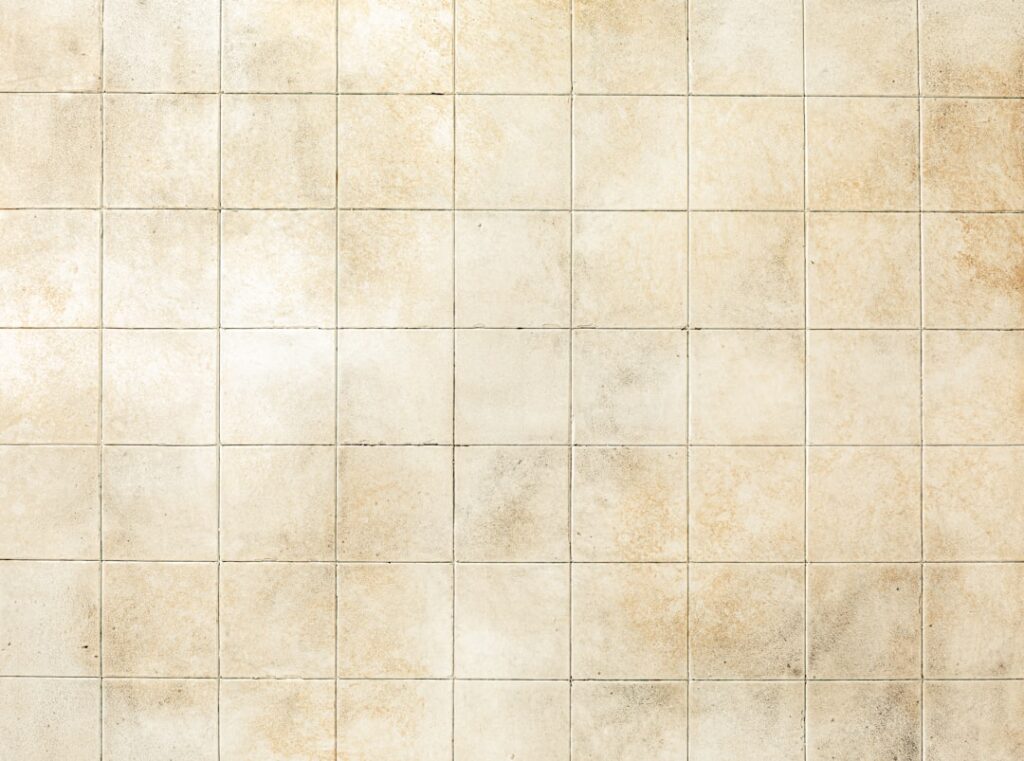
Cream tile carries subtle yellow, beige, or greige undertones instead of the blue-white base of a bright white tile. That small shift changes how the whole kitchen feels. Under warm 2700K bulbs a cream backsplash glows; a bright white one can look dingy or gray. Under cool 4000K light, white goes sterile while cream stays inviting. Because cream sits closer to the color of grease, dust, and hard-water spots, it also disguises the daily grime that shows instantly on true white.
Popular Styles of Cream Backsplash Tile
Cream is a color, not a shape, so you have the full catalog to choose from. The layouts I install most:
- Subway (3-by-6 or 4-by-12 inch): the safe, timeless choice. A crackle-glaze ceramic subway in ivory gives an old-world, handmade look.
- Beveled subway: the angled edge catches light and adds dimension without any color change.
- Mosaic sheets: 1-inch hex, penny round, or mini-brick in cream mix texture without going busy.
- Zellige-style: uneven, hand-glazed squares that shimmer and vary tile to tile for a high-end, organic look.
- Marble-look: Crema Marfil marble or a porcelain that mimics it brings soft veining in the cream family.
Ceramic vs. Marble in the Cream Family
Cream ceramic and porcelain tiles are the practical workhorses. They are non-porous when glazed, never need sealing, wipe clean with any cleaner, and run cheap. Natural Crema Marfil marble delivers a richer, more luxurious cream with real gray-gold veining, but it is porous and acid-sensitive, so it needs sealing and gentle cleaning. For a busy family kitchen I recommend a marble-look porcelain: you get the veined cream aesthetic with none of the sealing schedule. Reserve genuine marble for lower-traffic zones or clients who will maintain it.
Choosing the Right Grout Color
Grout can make or break a cream backsplash, and this is the mistake I see most often. Bright white grout against cream tile looks mismatched and, worse, white grout yellows and grays over time until it reads dirty. Go the other direction instead.
- Matching cream or almond grout creates a seamless, monolithic wall that feels calm and expensive.
- Warm beige or greige grout defines each tile subtly while hiding stains.
- A shade or two darker (mushroom, taupe) adds gentle contrast without the harshness of gray or black.
I steer clients toward a stain-resistant grout like Mapei Flexcolor CQ or Fusion Pro in Bone, Almond, or Pale Umber. These pre-mixed urethane and epoxy-style grouts resist the graying that plagues cheap cement grout behind a stove.
Pairing Cream With Cabinets and Countertops
Cream is a flexible neutral, but it wants the right partners.
Cabinets
With white cabinets, a cream backsplash prevents the whole kitchen from washing out; the slight tone contrast keeps things layered. Against warm wood cabinets in oak, hickory, or walnut, cream is a natural match that keeps the palette soft. With deep navy, sage, or forest green cabinets, cream backsplash tile becomes a bright, warm foil that pops the color without clashing.
Countertops
Cream pairs beautifully with warm-toned quartz and granite. Watch undertones with gray counters: a blue-gray quartz can make a yellow-cream tile look muddy. When in doubt, bring a tile sample home and hold it against your counter under your actual kitchen lighting at night, not just in the showroom.
What Cream Backsplash Tile Costs
Pricing tracks the material and shape more than the color. Real ranges I quote:
- Basic cream ceramic subway: $2 to $6 per square foot
- Beveled or crackle-glaze ceramic: $6 to $12 per square foot
- Cream mosaic sheets (hex, penny, mini-brick): $8 to $18 per square foot
- Zellige-style handmade tile: $15 to $35 per square foot
- Crema Marfil marble: $12 to $25 per square foot
Add $10 to $20 per square foot for professional installation. A typical 30-square-foot backsplash in a mid-range cream subway lands around $600 to $1,100 installed. A confident DIYer can do the same for $150 to $300 in tile, thinset, grout, and spacers over a weekend.
Keeping Cream Tile Clean and Bright
The color forgives daily splatter, but grease still builds up behind a range, so wipe that zone weekly. For glazed ceramic and porcelain, warm water with a few drops of dish soap handles almost everything; a magic-eraser pad lifts stubborn cooked-on spots. If your cream is genuine marble, skip the vinegar and citrus cleaners, which etch the stone, and use a pH-neutral stone spray instead.
Grout is where cream kitchens go dingy. Hit the grout lines every couple of months with a soft brush and an oxygen cleaner like OxiClean paste, or a dedicated grout cleaner, then reseal cement grout once a year. Keeping the grout fresh matters more than the tile itself, because that is the surface that yellows and drags the whole wall down.
Installation Tips for a Flawless Cream Wall
Cream tile hangs like any other ceramic, but a few habits keep the finished wall crisp. Start with a clean, flat surface and snap a level line, because a light backsplash shows every crooked joint under-cabinet lighting. Use white thinset rather than gray, since gray can shadow through thin or translucent cream tiles and mute their warmth. For glossy or crackle-glaze ceramic, back-butter any tile that sounds hollow so you avoid weak spots that crack later.
Dry-lay a full row on the counter first to plan your cuts and center the pattern on the range hood or window. Set 1/16-inch spacers for a tight modern joint, let the thinset cure a full 24 hours, then grout. Wipe the haze off crackle-glaze tile promptly, because grout that dries in the crackle lines is a nightmare to remove. Seal any crackle-glaze or natural stone before grouting, or the grout will stain the porous surface.
Is Cream the Right Call for Your Kitchen?
Choose cream if you want a light, airy backsplash that still feels warm and lived-in, especially in a kitchen with wood tones, warm lighting, or colored cabinets. Skip it if your kitchen leans cool and modern with blue-gray counters and stainless everywhere, where a true white or soft gray may harmonize better. For most homes I work in, cream backsplash tile is the quiet workhorse that looks polished on day one and still looks warm and clean years later, without the maintenance drama of stark white grout or the chill of an all-white palette.
Prefer to explore on your own?
See how new flooring looks in your actual room in seconds — free, no signup.
Try the free Floor Studio →