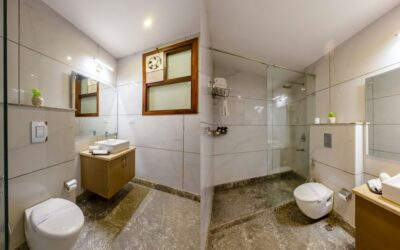
A curbless walk in shower, sometimes called a zero-threshold or barrier-free shower, eliminates the raised curb that separates a traditional shower from the bathroom floor. The result is a seamless, open, spa-like space you simply walk into, with the floor flowing continuously from the bathroom into the shower. Beyond its striking modern look, a curbless design is the gold standard for accessibility and aging in place. But it demands careful waterproofing and drainage to work properly. This guide covers the benefits, design options, drainage systems, waterproofing, costs, and construction essentials.
Part of our Bathroom Remodeling & Flooring guide — explore the full guide →
- What Makes a Shower Curbless
- The Benefits of Going Curbless
- Drainage Options
- Waterproofing Is Everything
- Managing Water Without a Curb
- Design and Layout Ideas
- Cost Expectations
- Installation Considerations
- Flooring and Slip Resistance
- Maintenance and Long-Term Care
- Is a Curbless Shower Right for You?
What Makes a Shower Curbless
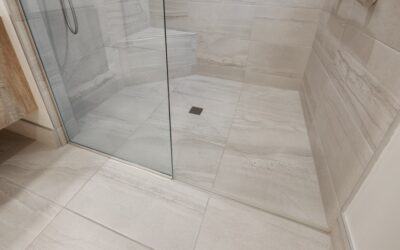
In a standard shower, a curb (a raised lip a few inches high) contains the water and marks the entry. A curbless shower removes that curb entirely, so the shower floor sits flush, or nearly flush, with the surrounding bathroom floor. To keep water inside without a curb, the entire shower floor is sloped toward a drain, and often the transition zone is designed so water flows back into the shower rather than out into the room. Frequently the bathroom subfloor is recessed in the shower area to allow the slope while maintaining a flush finished surface.
The Benefits of Going Curbless
Curbless showers have surged in popularity for compelling reasons:
- Accessibility: No curb to step over makes the shower safe and usable for wheelchairs, walkers, and anyone with limited mobility. It is the top choice for aging in place.
- Sleek, open aesthetic: The continuous floor makes bathrooms feel larger and more luxurious, a favorite in modern and spa designs.
- Easier cleaning: No curb means fewer nooks to scrub, and a continuous floor is simple to maintain.
- Flexible, spacious feel: Especially in small bathrooms, removing the visual barrier of a curb and often the shower door opens up the space.
- Resale appeal: Buyers increasingly value accessible, contemporary bathrooms.
Drainage Options
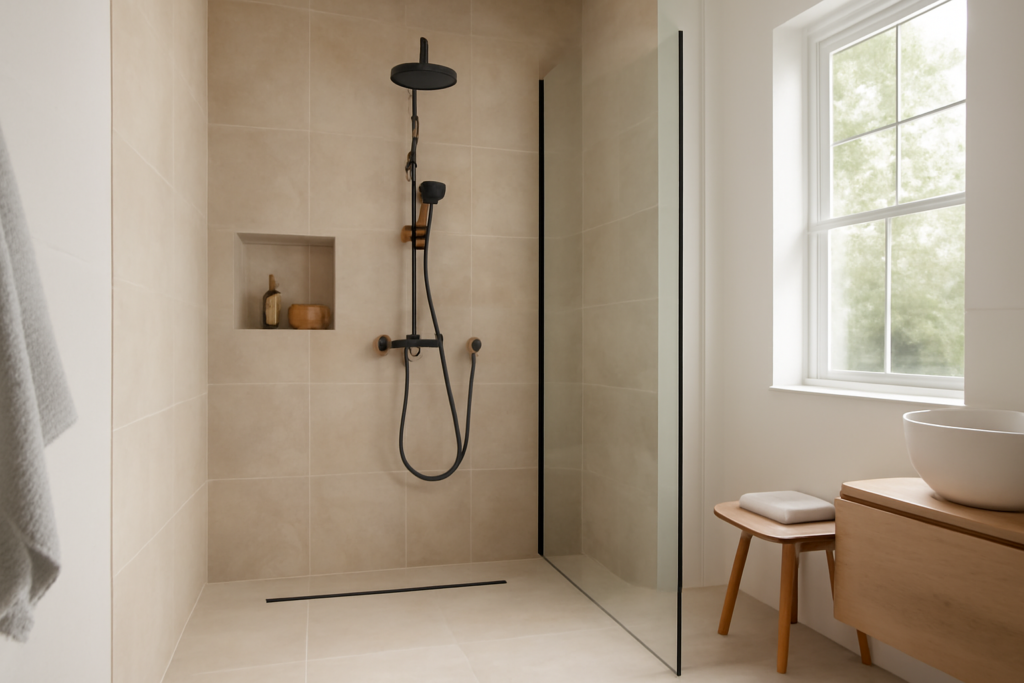
Drainage is the heart of a curbless design, because without a curb the slope and drain must do all the work of containing water. There are two main approaches. A traditional center drain requires the floor to slope from all four directions toward the middle, which works but needs multiple small tile cuts to follow the slope. A linear drain, a long, narrow channel placed at the shower wall or the entry, allows the entire floor to slope in a single direction. Linear drains are the modern favorite for curbless showers because they permit large-format tiles (which cannot bend to a multi-directional slope), create a cleaner look, and, when placed at the entry threshold, help catch water before it escapes the shower.
Waterproofing Is Everything
With no curb to contain water, waterproofing must be flawless, because any failure means water reaching the subfloor and hidden rot. Professional curbless showers use a fully bonded waterproofing system such as Schluter-Kerdi, Wedi, or a liquid-applied membrane over a properly sloped substrate. The waterproofing extends beyond the shower footprint into the transition zone to catch splashing and any water that migrates outward. The sloped shower pan (often a pre-formed foam tray designed for curbless use, or a mortar bed) directs water to the drain, and the membrane seals every seam, corner, and the drain flange. This is precise, high-stakes work that should almost always be done by an experienced tile professional.
Managing Water Without a Curb
A common worry is that water will flood the bathroom floor. Several design strategies prevent this. Proper floor slope (typically 1/4 inch per foot toward the drain) keeps water moving to the drain. A linear drain positioned at the entry acts as a catch line. The surrounding bathroom floor can be given a very slight counter-slope back toward the shower. A generously sized shower and a well-placed showerhead keep spray away from the opening, and a partial glass panel or a larger shower footprint reduces splash-out. Combined, these measures keep water contained even without a curb.
Design and Layout Ideas
Curbless showers offer great design freedom. Large-format porcelain or natural stone with a linear drain creates a clean, minimal look. A single frameless glass panel or a full wet-room treatment maintains openness. Continuous flooring, running the same tile from the bathroom into the shower, maximizes the seamless effect. Add a floating or built-in bench, recessed niches, and a handheld plus rainfall showerhead for a spa feel. Slip resistance is important on a flush floor, so choose textured tile or smaller mosaics inside the shower for traction. Radiant floor heating pairs beautifully with a curbless design for warmth underfoot.
Cost Expectations
A curbless shower typically costs more than a standard walk-in because of the extra structural and waterproofing work. Expect a range of roughly $6,000 to $20,000 or more depending on size, materials, and whether the subfloor must be modified. Key cost drivers include recessing or re-framing the floor to allow the slope, premium waterproofing systems, linear drains (which cost more than standard drains), custom tile labor, and frameless glass. On a concrete slab, creating the slope can require additional work. Retrofitting a curbless shower into an existing bathroom is more expensive than building one into new construction.
Installation Considerations
Successful installation hinges on the floor structure and the slope. On a wood-framed floor, the joists in the shower area are often dropped or sistered to recess the subfloor so the sloped pan finishes flush with the bathroom floor. On a slab, the slope is built up or the slab is recessed. The waterproofing membrane, drain placement, and slope must all be executed precisely and tested (many pros do a flood test) before tiling. Because errors are hidden and costly, this is a project where hiring a skilled, experienced contractor pays for itself.
Flooring and Slip Resistance
Because a curbless shower floor flows into the bathroom, flooring choice deserves careful thought for both looks and safety. Slip resistance is paramount on a wet, flush surface, so choose tile with a suitable coefficient of friction; textured porcelain, honed stone, or small mosaic tiles inside the shower provide better traction than large polished tiles, and the extra grout lines of mosaics add grip while following the slope. Many designers run large-format tile across the bathroom and switch to a coordinating mosaic within the shower zone for traction, a look that reads as intentional. Natural stone brings beauty but requires sealing and can be slippery when polished, so opt for honed or textured finishes. For maximum comfort and to help evaporate residual moisture on the continuous floor, radiant electric floor heating is a popular pairing, warming the tile underfoot and speeding drying. Whatever you select, prioritize a floor that stays safe when wet, since the seamless design means water can reach areas outside the immediate shower.
Maintenance and Long-Term Care
A curbless shower is easy to clean day to day but rewards attention to a few long-term details. The continuous floor and lack of a curb mean fewer crevices to scrub, and a linear drain with a removable cover simplifies clearing hair and debris; lift the cover periodically to flush the channel. Keep grout sealed, since well-maintained grout is your visible line of defense against moisture, and reseal on schedule, especially given the larger wet area. Squeegee glass panels and wipe down walls to prevent hard-water buildup, just as with any shower. Most importantly, stay alert to any signs of water where it should not be, such as staining on an adjacent ceiling below or a musty smell, and address them immediately, because the hidden waterproofing is what protects the structure. Well-built and properly maintained, a curbless shower performs flawlessly for decades, but the waterproofing must be sound from the start, reinforcing why quality construction is worth the investment.
Is a Curbless Shower Right for You?
A curbless walk in shower delivers unmatched accessibility, a stunning modern look, and easy maintenance, making it a smart choice for forever homes and contemporary renovations alike. It does require careful waterproofing, thoughtful drainage (a linear drain is often ideal), and typically professional installation, all of which add cost. If you value barrier-free access and a seamless, spa-like bathroom and are willing to invest in doing it right, a curbless shower is one of the most rewarding upgrades you can make, combining beauty, safety, and lasting value.