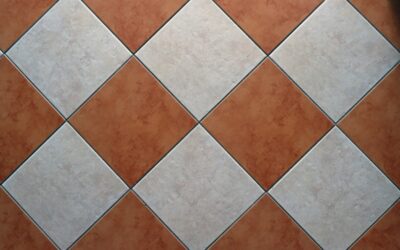
Custom grout means choosing or creating a grout color and formulation tailored to your specific tile and design goal rather than settling for whatever standard shade is on the shelf. Because grout lines frame every tile, custom grout can make a floor or backsplash look seamless and high-end, or it can turn the joints into a bold design feature.
Part of our Tile & Grout guide — explore the full guide →
The wrong grout color can flatten a beautiful tile or make a small room feel busy. The right one ties the whole installation together. This guide explains what custom grout actually involves, the ways to achieve it, and how to make confident choices.
What “Custom” Grout Really Means
There are a few different things people mean by custom grout. Sometimes it refers to selecting a precise color from a manufacturer’s range to coordinate with a particular tile. Other times it means tinting or dyeing grout to a shade that is not offered off the shelf. It can also mean choosing a specialty formula, such as a metallic, translucent, or glitter-infused grout, for a distinctive look.
In every case, the goal is the same: get the joint color, sheen, and texture you want instead of accepting a default. Even a small shift in grout tone, from bright white to a soft greige, dramatically changes how a tiled surface reads in a room.
Matching vs. Contrasting Grout
The first design decision is whether the grout should blend in or stand out. A close color match makes the tile the star, hides the grid of joints, and creates a calm, continuous surface. This approach works beautifully with large-format tile, natural stone looks, and any space where you want a seamless feel.
A contrasting grout does the opposite. Dark grout with white subway tile, or a colored grout that echoes an accent in the room, turns the joints into a graphic pattern. Contrast can highlight an interesting tile shape such as hexagons or herringbone, but it also draws attention to any unevenness in your tile spacing, so the installation needs to be tidy.
How Custom Grout Colors Are Achieved
There are several practical routes to a custom color:
- Manufacturer color range: Many grout makers offer dozens of premixed shades. Choosing carefully from a fan deck is the simplest form of customization.
- Grout colorant or dye: Specialized pigments can be applied to already-cured cement grout to change its color and reseal it. This is also a popular way to refresh dingy existing grout.
- Tinting at mixing: Some systems let you add liquid colorant when mixing fresh grout for a custom hue.
- Specialty formulas: Metallic, translucent, and additive-based grouts create effects standard colors cannot.
Because actual color charts and product lines vary by brand and change over time, always confirm available colors and compatibility with the specific manufacturer rather than relying on a generic chart. Pigments can also read differently from one grout base to another.
Cement Grout vs. Epoxy Grout for Custom Color
The grout type affects both color consistency and performance. Cement-based grout is the traditional, budget-friendly choice and accepts dyes and colorants well, but it is porous, so it needs sealing and can vary slightly in shade as it cures and absorbs water. Sealing is essential to keep a custom color looking even and to resist staining.
Epoxy grout is made from resins and hardeners. It is far more stain-resistant, color-consistent, and durable, and it does not require sealing. The trade-offs are a higher price, a shorter working time, and a more demanding application that many homeowners leave to a pro. If color consistency and long-term performance matter most, epoxy is often worth the premium; for easy DIY and broad color choice, cement remains popular.
Choosing the Right Color
Picking a custom grout color is harder than it looks because the cured shade rarely matches the wet sample. Use these guidelines:
- Test before you commit. Mix a small batch, let it fully cure on a scrap or hidden area, and view it in your room’s actual lighting.
- Account for darkening and lightening. Cement grout often dries lighter than it looks wet, while sealers and water can deepen the tone.
- Think about maintenance. Very light grout shows dirt; very dark grout can show soap scum or efflorescence. Mid-tones hide wear best.
- Hold samples against the tile. Judge the color next to your actual tile, not against a white wall or a screen.
For floors and high-traffic areas, leaning slightly darker or toward a neutral gray usually keeps the joints looking clean longer than a bright white would. It also helps to gather a few finalists rather than fixating on one shade, since two grouts that look nearly identical on a chart can diverge noticeably once cured against your tile.
Refreshing Existing Grout With Custom Color
You do not have to start over to get a custom color. Grout colorant systems are designed to recolor cured cement grout that has faded, stained, or simply never looked right. The process cleans the joints, applies a tinted sealing product, and leaves a uniform new shade while also sealing the surface against future staining.
This route is far cheaper and less disruptive than removing and replacing grout, and it is a practical way to change a backsplash or floor’s whole personality in a weekend. Colorants generally work on cement-based grout rather than epoxy, and results depend on thorough cleaning first, so test a small area and follow the product directions before committing to the entire room.
Application and Best Practices
Whatever color you choose, a clean application protects the result. Work in small sections, hold the float at an angle to pack the joints fully, and wipe with a damp (not soaking) sponge to avoid pulling color out of the lines. Rinse the sponge often and change the water frequently so you are not smearing pigment across the tile face.
After the grout hazes over, polish the tile with a dry microfiber cloth. For cement grout, apply a quality sealer once the grout has fully cured, typically after several days, following the product’s stated cure time. Resealing periodically maintains both stain resistance and color.
Cost and When to Hire a Pro
Custom grout adds modestly to a project. Standard cement grout is inexpensive, while colorants, specialty additives, and epoxy formulas cost more, sometimes several times the price of basic grout per unit. The labor, however, is where the budget moves: epoxy and intricate contrasting layouts reward an experienced installer.
If you are confident with tile work and using cement grout, custom color is well within DIY reach. For epoxy, large areas, or a high-visibility feature wall where mistakes are costly, hiring a professional is a sensible investment. Either way, the payoff of well-chosen custom grout is an installation that looks deliberate, cohesive, and finished, exactly as you envisioned it.