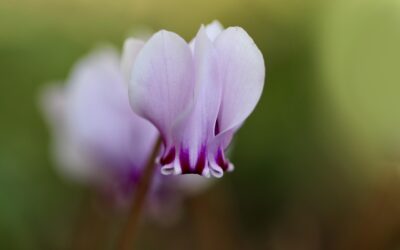
Those cheerful pots of cyclamen sold at the grocery store in winter rarely survive when planted in the garden, which leaves many gardeners convinced the plant just is not meant for outdoor life. The truth is more nuanced. Growing cyclamen outdoor works beautifully, but only if you choose the right type for your climate and give it the cool, shaded, well-drained conditions it craves. The mistake most people make is planting a tender florist cyclamen and expecting it to behave like a hardy perennial. Match the plant to the spot and these delicate, swept-back blooms can light up shady corners for years.
Part of our Windows & Doors guide — explore the full guide →
Hardy Cyclamen Versus Florist Cyclamen
The most important distinction in this whole topic is the difference between the two main groups, because confusing them leads to disappointment.
- Florist cyclamen (Cyclamen persicum): The large-flowered, showy plants sold as indoor gifts in winter. These are tender and only survive winters in frost-free climates, roughly USDA zones 9 to 11. In colder regions they are treated as seasonal annuals or houseplants.
- Hardy cyclamen (Cyclamen hederifolium and Cyclamen coum): Smaller-flowered species that are genuinely cold-hardy, often down to zones 5 or 6. These are the cyclamen you actually plant in the garden as long-lived perennials.
If you want cyclamen that returns year after year in a cold-winter region, buy hardy species by their botanical names. The grocery-store gift plants are lovely but will not overwinter outdoors where the ground freezes.
The Conditions Cyclamen Crave
Cyclamen are woodland plants at heart, and they reward you for mimicking the forest floor. They thrive in partial to full shade, particularly the dappled light beneath deciduous trees and shrubs. Hot afternoon sun stresses them, so avoid exposed southern beds.
They demand excellent drainage above almost everything else. Cyclamen tubers rot in soggy soil, so plant them in humus-rich, gritty, well-draining ground. A slope, a raised bed, or soil amended with leaf mold and grit suits them well. Cool temperatures keep the blooms coming; cyclamen do their best work in the cooler shoulder seasons rather than in summer heat.
Understanding Summer Dormancy
Here is the behavior that confuses new growers: hardy cyclamen go dormant. After flowering and setting seed, the foliage yellows and dies back, and the tuber rests underground through the warmest, driest part of the year. This is completely normal and does not mean the plant has died.
Cyclamen hederifolium typically blooms in late summer and fall, often before its ivy-shaped leaves fully emerge, then carries foliage through winter and goes dormant in late spring. Cyclamen coum flowers in late winter and early spring. Plan your plantings so that as one species rests, another is active, giving you color across more of the year. During dormancy, simply leave the tubers in place and avoid overwatering the bare ground.
Planting Hardy Cyclamen
Plant tubers in late summer or early fall for fall-blooming types. Set the tuber just below the soil surface, about 1 to 2 inches deep, with the smoother, rounded side down and the slightly indented top facing up; getting it upside down is a common cause of failure. Space tubers 6 to 10 inches apart so they have room to naturalize.
Work plenty of leaf mold or compost into the planting area and topdress with a thin layer of grit or fine mulch. Water in gently after planting, then let nature take over. Once established, hardy cyclamen are remarkably low-maintenance and will slowly spread into a charming carpet under trees.
Ongoing Care
Hardy cyclamen need little fussing once settled. Water during dry spells in the growing season, but err on the dry side, since overwatering is far more damaging than underwatering. Hold back water entirely during summer dormancy.
A light feeding of low-nitrogen fertilizer in fall supports flowering, though many gardeners get fine results from an annual topdressing of leaf mold alone. Let the foliage die back naturally each year rather than cutting it early, because the leaves feed the tuber for the next season. A protective mulch of leaf litter in cold zones helps the tubers through hard freezes.
Pests, Problems, and Honest Troubleshooting
Hardy cyclamen are largely trouble-free, but a few issues crop up. The most common cause of failure is rot from poor drainage or overwatering, which shows as a soft, collapsing tuber or yellowing, mushy leaves. The fix is prevention: plant in gritty, fast-draining soil and resist the urge to water during dormancy. Vine weevils can attack the tubers in some gardens, and squirrels or voles occasionally dig up newly planted tubers, so a light covering of chicken wire over the bed after planting can help.
If your hardy cyclamen flowers poorly, the usual culprits are too much shade, planting the tuber too deep, or competition from aggressive neighbors. Cyclamen naturalize best when left undisturbed, so avoid digging in the area where they grow. Over several seasons, a healthy colony will self-seed and spread, with ants helpfully carrying the seeds around the garden to form new drifts.
Companion Planting and Design Ideas
Cyclamen shine when paired with other shade-loving woodland plants. Underplant deciduous trees and shrubs where the cyclamen get dappled light, and combine them with ferns, hellebores, snowdrops, and hostas for a layered shade garden that has interest across the seasons. Because hardy cyclamen bloom when many plants are fading, they extend color into late summer, fall, and even winter.
Growing Florist Cyclamen Outside
If you only have the tender florist type and live where winters freeze, you can still enjoy it outdoors during the cool seasons. Use it in fall and spring container displays on a shaded porch, then bring it indoors before frost. In frost-free climates, florist cyclamen can be planted in shaded beds and may persist, but be realistic about its limits in cold regions.
Keep florist cyclamen out of direct heat and never let it sit in standing water. The plant signals overwatering by yellowing leaves and a mushy crown, and it sulks in warm rooms, preferring cool spots around 50 to 65 degrees Fahrenheit.
A Realistic Outlook
Cyclamen outdoor success comes down to honest expectations and the right plant choice. Hardy species are tough, long-lived, and perfect for naturalizing in shade, while florist types are seasonal beauties best treated accordingly in cold climates. Give them shade, sharp drainage, cool conditions, and respect their summer rest, and you will be rewarded with delicate blooms that appear when little else is flowering. Start with one species of hardy cyclamen this fall, and you may well find yourself adding more every year.