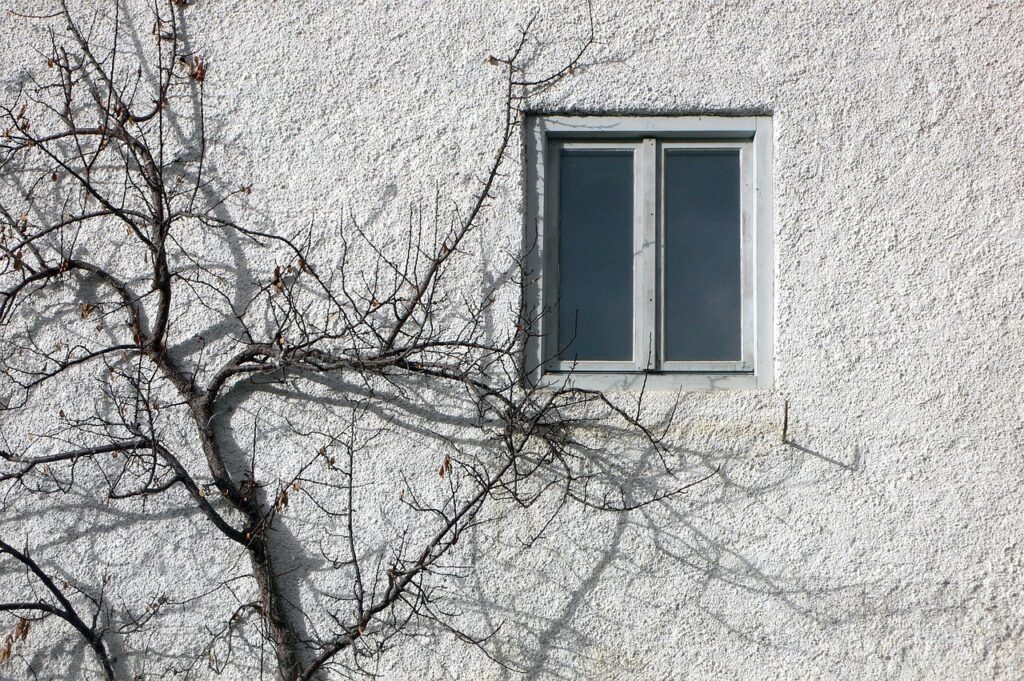
Most home design articles treat windows as pure engineering: ventilation rates, energy efficiency, security ratings. Across most of the world, however, an open bedroom window at night carries a meaning that has nothing to do with airflow. The dangers of sleeping with window open spiritual meaning shows up in folk traditions across Eastern Europe, China, Latin America, West Africa, and parts of the American South. None of it appears in your building inspector report, but homeowners ask about it constantly during bedroom renovations. Here is what the various traditions actually say, where the beliefs originate, and how to balance them with practical sleep advice.
Part of our Windows & Doors guide — explore the full guide →
- The Common Thread Across Traditions
- Feng Shui and the Flow of Qi
- Latin American Beliefs About Mal Aire
- Slavic and Eastern European Traditions
- West African and Caribbean Beliefs
- What Modern Sleep Science Adds
- Practical Bedroom Design That Honors Both
- When Cracking the Window Makes Sense
- Final Thoughts
The Common Thread Across Traditions
Almost every culture that has a belief about open bedroom windows treats night air as carrying something more than oxygen. The exact something varies. In feng shui, an open window during sleep is said to disrupt the flow of personal qi, the vital energy your body restores during rest. Latin American curanderismo describes nighttime air as carrying mal aire, literally bad air, which can settle in the body and cause illness. Slavic folk medicine warns about the noch vetra or night wind, said to bring restless dreams and respiratory weakness.
These traditions developed over centuries in homes without HVAC, mosquito screens, or modern medicine. The empirical observation behind them is often real: people who slept exposed to cold drafts in damp climates did wake up sick more often. The spiritual framing layered meaning on top of a practical caution.
Feng Shui and the Flow of Qi
In feng shui practice, the bedroom is considered the most personal of the qi zones in a home. Sleep is when the body is most receptive and most vulnerable. An open window during sleep allows external qi, including any wandering or chaotic energy, to enter the personal field without the homeowner’s conscious control.
Specific guidance varies by school. Black Hat Sect feng shui suggests keeping windows cracked but not fully open, and never directly aligned with the head of the bed. Classical Compass feng shui places more emphasis on the direction the window faces. North-facing windows are considered safer for sleep because the night wind from the north is said to be quieter, while south or west-facing open windows expose the sleeper to volatile qi. Practitioners typically recommend solid wood shutters or heavy curtains as a compromise that allows airflow while filtering the energy.
Latin American Beliefs About Mal Aire
In Mexican and broader Latin American folk tradition, sleeping with windows open at night is said to allow mal aire to enter the body through the ears, mouth, or skin. The condition manifests as facial paralysis, stiff neck, sudden chills, or a lingering cold that does not respond to normal treatment. Grandmothers in this tradition warn against sleeping in front of any open window, especially when the body is warm from bathing or exercise.
The remedy involves a sobada, a massage often using rue or rosemary oil, performed by a curandera who recites specific prayers while working the affected area. Whether you read this through a spiritual or pragmatic lens, the underlying advice is consistent: avoid direct cold drafts on the body while sleeping. That alone prevents the muscle stiffness and tension headaches that real-world cold air can cause.
Slavic and Eastern European Traditions
In Russian, Polish, and Ukrainian folk tradition, the night wind or noch vetra carries restless souls and unsettled spirits. Sleeping with a window open is said to allow these wandering presences to disturb dreams and weaken the sleeper’s spiritual defenses. Older homes in the region often have heavy interior shutters specifically intended to be closed at night even when summer heat would make ventilation desirable.
This tradition runs particularly strong around Orthodox Christian holidays such as Christmas Eve and the night before Easter, when the boundary between the visible and spirit worlds is said to be thinner. Homeowners in these communities will often air rooms thoroughly during the day, then close windows fully at sunset.
West African and Caribbean Beliefs
In several West African traditions and their Caribbean descendants, sleeping with an open window invites wandering spirits or duppy to enter the home. The beliefs in Yoruba and Akan tradition focus particularly on protecting children, with explicit instructions to keep windows in nursery rooms closed at night. Caribbean Vodou and Santeria practitioners often hang specific charms or place protective herbs on windowsills before opening windows during the day, then close everything tightly by dusk.
This belief has practical roots in tropical climates where mosquitos carrying malaria and dengue make any open nighttime window genuinely dangerous. The spiritual layer reinforces a behavior that prevented real disease for centuries before screens and modern medicine.
What Modern Sleep Science Adds
Setting aside the spiritual frames, modern sleep research has surprising overlap with the folk advice. Cold drafts directly on a sleeping body do increase the risk of waking with stiff muscles, irritated airways, and lower-quality sleep. Outdoor pollutants and pollen entering a sleeping environment can trigger overnight allergic responses. In urban areas, ambient noise from open windows is a documented cause of broken sleep cycles.
The actual best practice for most bedrooms combines tradition and science. Keep the window cracked rather than fully open for moderate ventilation. Avoid placing the bed directly under or beside a window. Use a screen and curtain that filter the air and block direct drafts. Run a HEPA filter if outdoor pollution is a concern in your area.
Practical Bedroom Design That Honors Both
For homeowners who want to honor traditional caution while still getting good airflow:
- Position the bed against an interior wall, not under a window.
- Install interior shutters or blackout curtains that fully close at night.
- Use a small bedside fan to circulate room air rather than relying on outside air.
- Open windows widely during morning and afternoon hours, then close them before sunset.
- Add a HEPA filter or ventilating fan in the room for nighttime air quality without an open window.
This approach works whether you believe in qi, mal aire, both, or neither. The result is the same: better sleep quality and a bedroom that respects multiple traditions at once.
When Cracking the Window Makes Sense
Despite traditional caution, sealed bedrooms have their own problems. Indoor CO2 levels climb steadily through the night in airtight rooms, and high CO2 is linked to grogginess and morning headaches. A mechanical ventilation system or a window cracked one to two inches with a draft baffle in place can solve this without exposing the sleeper to direct outdoor air.
If your house is from before 1980 and lacks any mechanical ventilation, a small slit of open window is often the right answer for indoor air quality, even if traditional beliefs counsel against it. The dangers of sleeping with window open spiritual meaning in this case can guide you toward thoughtful design choices rather than absolute rules.
Final Thoughts
These traditions developed because they protected people in real, observable ways. Treating them as superstition misses the practical wisdom inside, but treating them as inviolable rules ignores what we now know about indoor air quality. The best bedroom design respects both layers. Keep direct drafts off your body, filter what comes in, and pay attention to how you actually feel waking up each morning. That single piece of feedback usually outweighs any tradition or any sleep tracker reading.