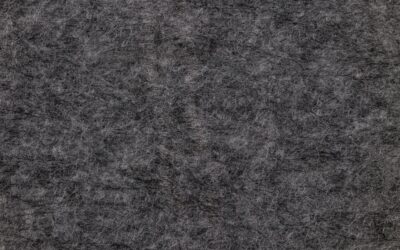
Designers reach for one color more than almost any other when they want a rug that grounds a room without stealing the show. A dark gray rug is the quiet workhorse of interior design: it hides dirt and pet hair, pairs with nearly every palette, and gives a floating furniture arrangement a solid visual base. If your living room feels a little unfinished or your open floor plan lacks definition, the right charcoal or slate rug often solves both problems at once. Here’s how to choose and style one like a pro.
Why Dark Gray Works in So Many Rooms
Gray is a true neutral, and darker shades bring depth that pale grays can’t. A charcoal rug reads as sophisticated and modern while still playing nicely with warm woods, brass accents, and colorful throw pillows. It bridges cool and warm palettes, which is exactly why it shows up in Scandinavian, industrial, transitional, and contemporary spaces alike.
There’s a practical payoff too. Dark gray is forgiving. Crumbs, dust, and the inevitable coffee splash disappear against a mottled charcoal field far better than they would on cream or light beige. For households with kids, pets, or heavy foot traffic, that alone justifies the color.
Choosing the Right Shade of Gray
Not all dark grays are equal. Some lean cool and blue, others warm toward greige or taupe, and the undertone changes how the rug reads with your existing decor.
- Cool charcoal — has blue or steel undertones. Pairs with white, navy, and cool-toned woods for a crisp, modern look.
- Warm gray (greige) — leans toward brown or taupe. Works with beige walls, warm wood floors, and earthy palettes.
- Slate gray — a medium-dark, balanced tone that suits almost any room and hides wear well.
Bring a swatch home and look at it in daylight and at night. Gray shifts dramatically under different lighting, and a rug that looks perfectly neutral in the store can suddenly read blue or purple in your living room.
Picking the Right Size
Size is where most people go wrong. A rug that’s too small makes a room look choppy and undersized. Follow these field-tested guidelines.
- Living room: the rug should sit under at least the front legs of your sofa and chairs. An 8-by-10 works for most seating areas; go 9-by-12 for large rooms.
- Dining room: the rug should extend at least 24 inches beyond the table edge on all sides so chairs stay on the rug when pulled out.
- Bedroom: place the rug so it extends 18 to 24 inches beyond the sides of the bed, or use a runner on each side.
Material and Pile: What to Consider
The material determines how the rug feels, how long it lasts, and how much maintenance it demands. Wool is the gold standard, naturally stain-resistant, durable, and soft underfoot, though it costs more, often $200 to $800 for an 8-by-10. Synthetic fibers like polypropylene and polyester are budget-friendly at $80 to $300, easy to clean, and great for high-traffic or moisture-prone rooms. Natural fibers like jute add texture but are harder to clean if something spills.
Pile height affects both look and upkeep. A low-pile or flatweave rug is easy to vacuum and ideal under a dining table or in busy spaces. A plush, high-pile or shag rug feels luxurious underfoot in a bedroom or reading nook but traps more debris and shows footprints. Match the pile to the room’s function.
How to Style a Dark Gray Rug
The beauty of a dark gray rug is how much freedom it gives you. Because it’s neutral, you can layer bold or soft accents on top without clashing. For a calm, monochrome look, pair it with light gray and white furniture and a few black accents. To warm the space, add ochre, mustard, terracotta, or wood tones that pop against the cool charcoal.
In a room with a lot of dark furniture, choose a slightly lighter or textured gray so the floor doesn’t disappear into the sofa. Conversely, in a light, airy room, a deep charcoal rug adds welcome contrast and definition. Layering a smaller patterned or jute rug beneath adds dimension and keeps the space from feeling flat.
Cleaning and Maintenance
Dark gray hides dirt, but that doesn’t mean you can skip cleaning. Vacuum at least once a week to lift the grit that grinds down fibers over time. For spills, blot immediately with a clean white cloth, working from the outside in so you don’t spread the stain. Avoid rubbing, which pushes the mess deeper into the pile.
For wool rugs, use a wool-safe cleaner and avoid soaking. Synthetic rugs tolerate more moisture and mild detergent. A rug pad underneath serves double duty: it keeps the rug from sliding and it extends the life of the fibers by cushioning foot traffic. Rotate the rug every few months so it wears and fades evenly, especially near sunny windows.
Common Mistakes to Avoid
Two mistakes come up again and again. First, buying too small; when in doubt, size up. Second, skipping the rug pad, which leads to bunching, slipping, and premature wear. A third, subtler mistake is ignoring undertones. A cool charcoal rug in a warm, beige-toned room can look muddy and out of place, so always check that the undertone complements your walls and wood.
Dark Gray in Different Rooms
The same charcoal rug behaves differently depending on where you put it, so tailor your choice to the room. In a living room, a dark gray rug grounds the seating area and gives a busy, colorful space a calm anchor; pair it with a lighter sofa so the room doesn’t feel heavy. In a bedroom, it adds a cozy, enveloping quality underfoot, and a plush high-pile version feels wonderful on bare feet first thing in the morning.
Home offices benefit from dark gray because it hides the scuffs and grit that a rolling chair drags in, and it photographs well on video calls. In a dining room, choose a low-pile, tightly woven gray that resists staining and lets chairs slide easily; the dark tone conveniently disguises the inevitable dropped crumbs and sauce splatters. Basements and playrooms are another natural fit, since charcoal masks dirt in spaces that see hard, casual use.
One consideration across every room is light. Dark gray absorbs light rather than reflecting it, so in a small or dim room a large charcoal rug can make the space feel smaller. In those cases, opt for a medium-dark gray with some texture or pattern to keep things from feeling closed in, and lean on lighter walls and furniture to balance the depth of the rug.
The Bottom Line
A dark gray rug is one of the safest, most versatile investments you can make for a room. It anchors furniture, hides everyday mess, and works with practically any color scheme you’ll ever want to try. Get the size right, choose a material suited to the room’s traffic, add a quality rug pad, and you’ll have a foundation piece that looks intentional for years, no matter how often you change the pillows around it.