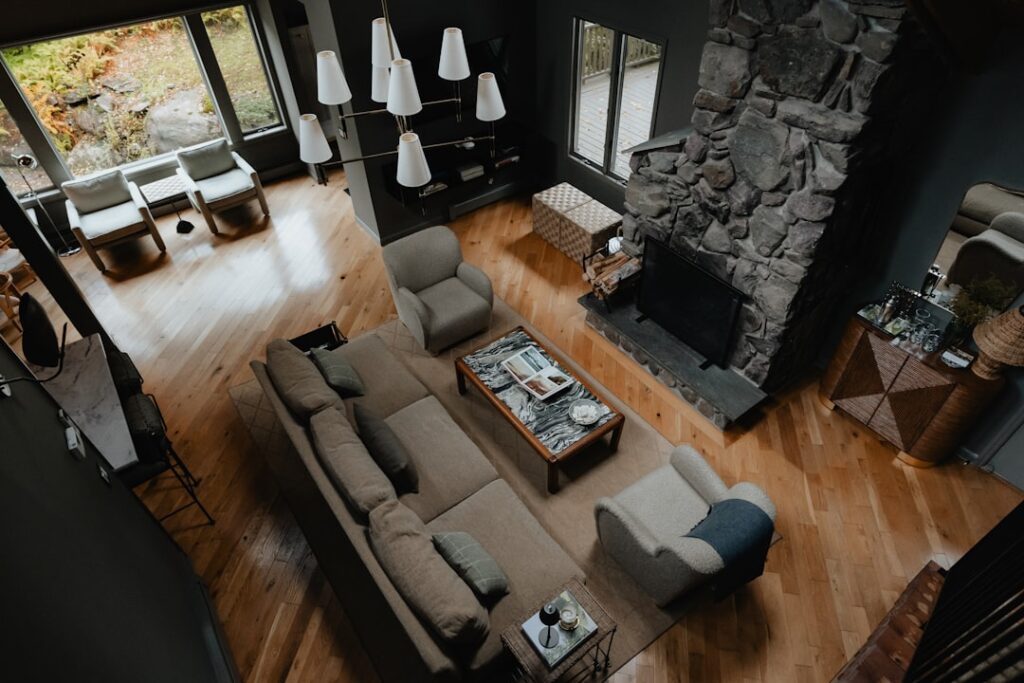
Dark wood flooring creates a dramatic, grounding effect that transforms any room into a statement space. Whether achieved through naturally dark species like walnut and mahogany or through dark stains applied to lighter woods like oak, dark floors have been a design mainstay for decades. But they come with tradeoffs — every speck of dust, every pet hair, every scratch is more visible on a dark surface.
This guide covers everything you need to know about dark wood flooring in 2026 — which species are naturally dark, how to achieve the look with stains, the honest pros and cons, the “trending or dated” debate, room pairing strategies, and maintenance realities.
- Naturally Dark Wood Species
- Dark Stains on Light Wood
- Is Dark Wood Flooring Trending or Dated in 2026?
- Pros and Cons of Dark Wood Flooring
- Room Pairing and Design Strategies
- Dark Floors with Light Walls: The Proven Combination
- Maintenance Tips for Dark Wood Floors
- Frequently Asked Questions
- Are dark wood floors hard to maintain?
- Do dark wood floors make a room look smaller?
- Is dark or light flooring better for resale value?
- What is the best dark wood floor for dogs?
- Should I stain oak dark or buy naturally dark wood?
- Can you lighten dark wood floors later?
- Are dark floors going out of style?
Naturally Dark Wood Species
Several hardwood species are naturally dark without requiring any stain. These species achieve their rich tones through high concentrations of tannins and natural pigments in the heartwood.
Walnut is the premier naturally dark domestic hardwood. American black walnut ranges from chocolate brown to deep purplish-brown with lighter sapwood streaks. Its Janka hardness of 1,010 is softer than oak but adequate for most residential applications. Walnut is valued for its warm undertones and sophisticated grain patterns. See our full walnut flooring guide for more detail.
Mahogany (including African mahogany and Santos mahogany) ranges from deep reddish-brown to near-black. Santos mahogany has an impressive Janka hardness of 2,200, making it one of the hardest flooring species available. The wood darkens further with UV exposure over time, developing an increasingly rich, warm tone.
Brazilian cherry (Jatoba) starts as a salmon-orange color but darkens dramatically to a deep reddish-brown within months of installation. With a Janka hardness of 2,350, it is exceptionally durable but the rapid color change surprises homeowners who expected the lighter tone they saw in the showroom.
Wenge is one of the darkest natural wood species available, ranging from dark brown to nearly black with distinctive black streaking. Its Janka hardness of 1,630 provides good durability, but the wood is expensive and increasingly difficult to source sustainably.
| Species | Natural Color | Janka Hardness | Material Cost (per sq ft) | Darkens with Sun? |
|---|---|---|---|---|
| American walnut | Chocolate to purple-brown | 1,010 | $6 – $12 | Lightens slightly |
| Santos mahogany | Deep reddish-brown | 2,200 | $7 – $14 | Darkens significantly |
| Brazilian cherry | Salmon to deep red-brown | 2,350 | $6 – $11 | Darkens dramatically |
| Wenge | Dark brown to near-black | 1,630 | $8 – $15 | Lightens slightly |
| African mahogany | Medium to dark reddish-brown | 1,070 | $5 – $9 | Darkens moderately |
Dark Stains on Light Wood
The most common way to achieve dark wood flooring is by applying a dark stain to a lighter species — particularly white oak and red oak. This approach provides more control over the exact shade and is significantly less expensive than purchasing naturally dark exotic species.
Ebony stain on white oak is the most popular dark floor combination in residential design. White oak’s tight grain accepts stain evenly, producing a consistent near-black finish that still allows the wood grain to show through. This is the look made famous by high-end Manhattan apartments and modern farmhouse interiors.
Jacobean stain produces a dark brown tone with warm reddish undertones. It is less stark than ebony and works well in traditional and transitional spaces. Jacobean is one of the most forgiving dark stains because its warmth hides imperfections better than pure black.
Dark walnut stain on oak mimics the look of natural walnut at a fraction of the cost. The result is a rich medium-dark brown with warm undertones. It offers the drama of dark flooring without the maintenance challenges of very dark or black finishes.
True black stain is the boldest option — a jet-black floor with minimal visible grain. This look is striking in modern and industrial interiors but shows every imperfection, dust particle, and scratch. True black floors require the most maintenance commitment of any stain color. Explore all options in our hardwood floor stain colors guide.
Water-popping before staining is essential for achieving even, deep color on dark-stained floors. This technique involves dampening the sanded wood surface to raise the grain, which opens the pores and allows the stain to penetrate more uniformly. Without water-popping, dark stains on oak often appear blotchy or streaky.
Is Dark Wood Flooring Trending or Dated in 2026?
The short answer: dark wood flooring is still popular in 2026, but the way it is used has evolved significantly from the dark, glossy floors of the 2010s.
The dark-and-glossy look that dominated high-end interiors from roughly 2008 to 2016 has fallen out of favor. Those high-gloss ebony floors showed every footprint and scratch, creating a constant cleaning battle that left many homeowners frustrated. That specific execution is what some designers call “dated.”
What remains firmly on-trend in 2026 is dark flooring with a matte or satin finish. Matte-finished dark floors hide micro-scratches, dust, and footprints far more effectively than glossy versions. The matte texture also gives the floor a more organic, natural appearance rather than the plastic-like sheen of high-gloss polyurethane.
Dark-stained white oak in ebony or dark walnut with a hardwax oil or matte polyurethane finish is one of the most requested floors among interior designers today. The look is timeless rather than trendy — it was elegant in 1920s Parisian apartments and remains so in 2026 contemporary homes.
If you are considering dark floors, the key to keeping them current is: matte finish, quality hardwood, and thoughtful pairing with lighter walls and furnishings. Avoid high gloss, cheap laminates in dark colors, and monochrome dark-on-dark rooms.
Pros and Cons of Dark Wood Flooring
Pros
- Dramatic visual impact. Dark floors create a bold, grounding effect that makes furniture, artwork, and architectural details pop.
- Sophistication. Dark wood floors evoke luxury and formality, making them ideal for living rooms, dining rooms, and master bedrooms.
- Contrast with light elements. Dark floors paired with white or light walls, cabinetry, and trim create a high-contrast, magazine-worthy aesthetic.
- Hides some imperfections. On naturally dark species (not stained), dark tones can mask minor dents and dings better than light, clear-finished floors.
- Versatile style compatibility. Dark floors work with modern, traditional, industrial, and transitional interiors.
Cons
- Shows dust, hair, and lint. This is the number one complaint about dark floors. Every particle is visible, especially in direct sunlight.
- Scratches are more visible. Scratches through a dark stain reveal the lighter wood beneath, making them highly visible. Naturally dark species fare better since the scratch exposes more of the same dark wood.
- Can make rooms feel smaller. In small or low-light spaces, dark floors can create a cave-like effect if not balanced with adequate lighting and lighter wall colors.
- Higher maintenance commitment. Plan on sweeping or dust-mopping daily if you want your dark hardwood floors to look their best.
- Fading and UV sensitivity. Dark floors can fade or develop sun bleaching in areas of direct sunlight, creating uneven patches over time.
Room Pairing and Design Strategies
Where you install dark wood flooring matters as much as the species or stain you choose. Some rooms are ideal candidates; others can feel claustrophobic with dark floors.
Living rooms and great rooms are the best candidates for dark floors, especially when they have large windows and high ceilings. The natural light balances the dark floor and creates the dramatic high-contrast look that dark wood does best.
Master bedrooms benefit from dark floors because the space is used primarily at night and in the morning. The cozy, enveloping feel of a dark floor is an asset in a bedroom rather than a drawback. Pair with light bedding and curtains for balance.
Dining rooms are another excellent match. Furniture covers most of the floor, reducing the dust-visibility issue, and dark floors create a formal, elegant backdrop for entertaining.
Kitchens with dark floors look stunning but require the most maintenance. Crumbs, flour, and water spots are immediately visible. If you choose dark floors in a kitchen, commit to daily sweeping.
Small bathrooms, narrow hallways, and low-light rooms should generally be avoided for dark flooring. These spaces lack the natural light and volume needed to prevent the dark floor from feeling oppressive.
Dark Floors with Light Walls: The Proven Combination
The most successful dark floor interiors follow a simple rule: dark floors need light surroundings. This contrast creates visual breathing room and prevents the space from feeling heavy.
White walls are the classic pairing — crisp and high-contrast. This combination is the foundation of Scandinavian-meets-modern design and works in virtually any room.
Light gray walls create a softer, more contemporary contrast. Cool grays pair particularly well with ebony-stained oak, while warm grays complement walnut and mahogany tones.
Warm white and cream walls pair beautifully with dark walnut and mahogany because the warm undertones in both the walls and the floor create a cohesive, inviting palette.
Light wood furniture on dark floors creates the Scandinavian contrast that has dominated design magazines for the past decade. A light oak dining table on a dark walnut floor, for example, creates visual interest without competing for attention.
Light area rugs serve double duty on dark floors: they add contrast and warmth while catching dust and debris before it becomes visible on the dark surface.
Maintenance Tips for Dark Wood Floors
Maintaining dark wood flooring requires a realistic commitment. Here are the essential practices for keeping dark floors looking their best.
- Dust-mop or microfiber-sweep daily. This is non-negotiable for dark floors. A quick pass with a dry microfiber mop takes 5 minutes and makes a dramatic difference in appearance.
- Choose a matte or satin finish. Matte finishes hide micro-scratches and dust far better than semi-gloss or gloss. If your dark floor is already glossy, consider screening and recoating with a matte topcoat.
- Use felt pads on all furniture. Replace pads every 6 to 12 months as they collect grit that can scratch the floor.
- Control sunlight. Use UV-filtering window treatments in rooms with direct sun exposure. Rotate rugs and furniture periodically to prevent uneven fading.
- Spot-clean with a wood-safe cleaner. Avoid vinegar, ammonia, and steam mops on dark-stained floors. These can strip or cloud the finish, making scratches even more visible.
- Recoat every 3 to 5 years. Dark floors show finish wear more than light floors. A maintenance recoat refreshes the surface and extends time between full refinishes.
- Consider hardwax oil finishes. Hardwax oil on dark floors allows for spot repairs — you can touch up a scratched area without refinishing the entire floor.
Frequently Asked Questions
Are dark wood floors hard to maintain?
Yes, compared to lighter floors. Dark floors show dust, pet hair, and scratches more visibly. Daily dust-mopping is essential, and matte finishes are strongly recommended over glossy ones to reduce the appearance of micro-scratches and footprints.
Do dark wood floors make a room look smaller?
They can in small, poorly lit rooms. However, in rooms with adequate natural light, high ceilings, and light-colored walls, dark floors actually create a grounding effect that makes the space feel more dramatic without feeling cramped.
Is dark or light flooring better for resale value?
Light to medium-toned hardwood (especially white oak) generally appeals to the broadest range of buyers and is the safest choice for resale. Dark floors can add value in luxury markets where the look is expected, but they may deter buyers who know the maintenance demands.
What is the best dark wood floor for dogs?
Naturally dark species like Santos mahogany (Janka 2,200) and Brazilian cherry (Janka 2,350) are the most scratch-resistant dark options. For stained floors, ebony-stained white oak with a matte hardwax oil finish hides pet scratches better than glossy polyurethane. See our hardwood flooring guide for pet-friendly options.
Should I stain oak dark or buy naturally dark wood?
Staining oak dark is more affordable ($3 to $8 per square foot for white oak vs. $6 to $14 for walnut or mahogany) and gives you more control over the exact shade. Naturally dark species offer more consistent color and do not show light scratches as dramatically since the wood itself is dark throughout.
Can you lighten dark wood floors later?
Yes. Dark-stained floors can be sanded back to the natural wood color and refinished with a lighter stain or clear coat. This requires a full sand-down to bare wood, which is labor-intensive and costs $3 to $5 per square foot. Naturally dark species like walnut cannot be made significantly lighter through sanding.
Are dark floors going out of style?
Dark glossy floors from the 2010s have fallen out of favor, but dark matte-finished floors remain firmly on-trend in 2026. The key is pairing dark floors with a low-sheen finish and lighter surroundings. This look is timeless rather than trendy.
Prefer to explore on your own?
See how new flooring looks in your actual room in seconds — free, no signup.
Try the free Floor Studio →