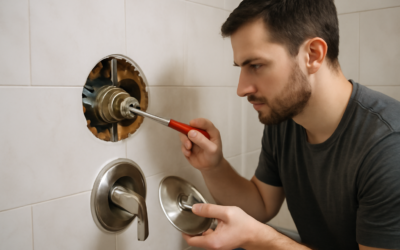
Delta engineered one genuinely brilliant idea into its showers: install the valve once, and you can change the entire look and function of your shower years later without ever opening the wall. A Delta shower valve built on the MultiChoice Universal platform separates the rough-in body from the trim, so a chrome single-function shower can become a matte-black multi-function spa by swapping parts on the outside of the wall. Understanding this system, and the cartridges inside it, is the difference between a five-minute trim upgrade and a demolition project, and it makes most drip repairs a job you can do yourself in an afternoon.
Part of our Bathroom Remodeling & Flooring guide — explore the full guide →
- The MultiChoice Universal Advantage
- Types of Delta Shower Valves
- Common Problems and What They Mean
- Replacing Delta Seats and Springs
- Replacing the Cartridge
- Installing a New Valve During a Remodel
- Cost Breakdown
- Maintenance Tips
- Identifying Your Delta Valve
- Diagnosing Common Symptoms
- Getting the Most From the MultiChoice System
- Delta Tub Valve Setups: Tub and Shower Combos, Faucet Valves and Mixer Valves
The MultiChoice Universal Advantage
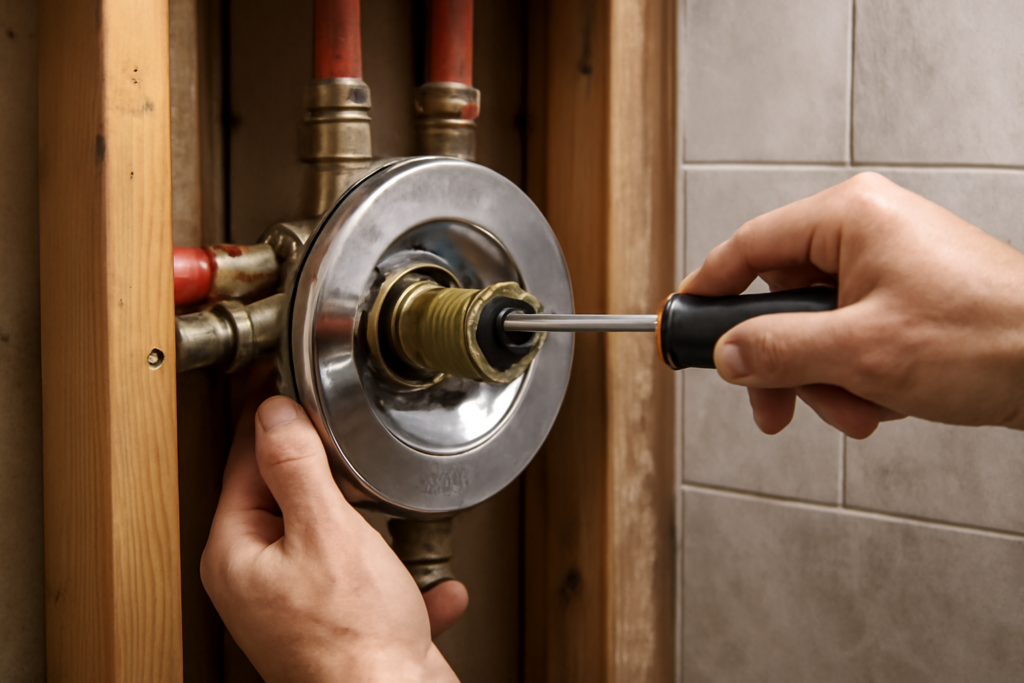
Delta’s flagship valve system is the MultiChoice Universal rough-in valve. Its selling point is future flexibility. The valve body plumbed into your wall is standardized, so any Delta MultiChoice trim kit will fit it, whether you later want a simple pressure-balanced handle or a fully thermostatic multi-outlet setup. Builders love it because they can rough in the plumbing before the homeowner has picked finishes. Homeowners love it because upgrading the shower down the road never requires touching the pipes.
This is worth knowing before any purchase. If your home already has a MultiChoice rough-in behind the wall, you only need to buy a trim kit, not a whole valve, which saves both money and a wall repair.
Types of Delta Shower Valves
Delta trims fall into a few functional categories, and choosing the right one shapes your shower experience:
- Pressure-balanced (Monitor): The most common type. A single handle adjusts temperature while an internal spool keeps water from turning scalding when pressure drops elsewhere. Uses the Delta RP46074 pressure-balance cartridge.
- Thermostatic: Holds a precise, repeatable temperature you set, independent of house-pressure swings. Ideal for larger shower systems with multiple heads.
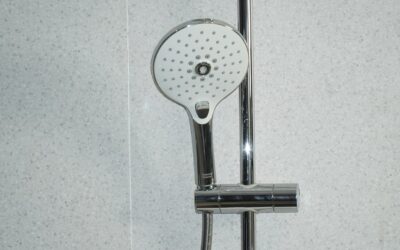
- Volume control (Diverter): Adds the ability to control flow rate or route water to a handheld, rain head, or body sprays.
- 17 and 17T Series: Popular trims offering separate temperature and volume control (17) or thermostatic control (17T), both on the MultiChoice body.
Common Problems and What They Mean
A Delta valve usually announces trouble before it fails. A steady drip from the showerhead after shutoff points to a worn cartridge or seats and springs. Water that will not get hot enough, or swings unpredictably, signals a failing pressure-balance cartridge. A handle that spins loosely or feels gritty means the cartridge or the internal seats are worn. And if the handle leaks around its base, the trim’s O-rings need attention. The good news is that nearly all of these are inexpensive, replaceable parts rather than a full valve failure.
Replacing Delta Seats and Springs
On older Delta single-handle valves, a leak often traces to two tiny rubber seats and their springs rather than the cartridge itself. This is one of the cheapest plumbing repairs there is, a kit costs about $6. Shut off the water, remove the handle and the cartridge or ball assembly, and look into the valve body. You will see two small rubber seats seated over springs. Fish them out with a screwdriver or Allen wrench, drop in the new springs with the wide end down, seat the new rubber seats on top, and reassemble. Many chronic Delta drips vanish with this five-dollar fix before you ever touch the cartridge.
Replacing the Cartridge
When seats and springs do not solve it, the cartridge is next. For a MultiChoice pressure-balance valve, the process is straightforward:
- Turn off the water supply and open the handle to relieve pressure.
- Pop off the handle cap or set screw, remove the handle, and unscrew the escutcheon.
- Remove the bonnet nut and the cartridge retaining clip or nut holding the cartridge in place.
- Pull the pressure-balance cartridge straight out. Note its orientation, because Delta cartridges must go back in the same rotation or hot and cold will swap.
- Lubricate the new cartridge’s O-rings with silicone plumber’s grease, insert it aligned to the original position, secure it, and reassemble.
The whole job takes 30 to 45 minutes with basic tools. If your hot and cold come out reversed after the repair, you installed the cartridge rotated; pull it and turn it 180 degrees rather than reworking any plumbing.
Installing a New Valve During a Remodel
Roughing in a new MultiChoice valve is a plumbing task best suited to those comfortable with copper or PEX connections, since the joints live inside the wall. Mount the valve so the finished handle lands 42 to 48 inches above the shower floor and the head outlet at 72 to 78 inches. Delta prints the inlet and outlet locations and an up orientation right on the body, so follow those markings exactly. Leave the plaster guard installed while you tile, both to protect the internals and to set your finished wall depth. Always pressure-test the connections before closing the wall, because a hidden leak found later means tearing out finished tile.
Cost Breakdown
Delta repairs are refreshingly affordable. A seats-and-springs kit runs about $6, and a replacement pressure-balance cartridge costs $20 to $40. A full trim kit, if you already have a MultiChoice rough-in, ranges from $90 to $400 depending on finish and function. A complete MultiChoice rough-in valve body is $40 to $80. Hiring a plumber for a cartridge replacement typically costs $150 to $300 including parts, while a full valve installation requiring wall access runs $400 to $700 or more. Delta backs many of its cartridges with a lifetime limited warranty and will often ship replacement parts free to the original owner, so check before you buy.
Maintenance Tips
To keep a Delta valve trouble-free, soft water is your best friend; hard water deposits are what wear cartridges and seats prematurely. Once a year, run the handle through its full range to keep the internal parts moving freely. If you ever remove the trim for cleaning, take the chance to inspect and lubricate the O-rings. Keep a spare seats-and-springs kit and the correct cartridge on a shelf, because when a drip returns you will want to fix it that day rather than wait on a store trip.
Identifying Your Delta Valve
Figuring out which Delta valve you own guides every repair and upgrade decision. If you have a single-handle Delta shower with a pressure-balancing cartridge, you most likely have a Monitor valve on the MultiChoice rough-in, the most common residential setup. Two-handle Delta showers use stems or cartridges specific to that trim. The quickest way to confirm is to remove the trim and look at the valve body, which often carries markings, and to check the cartridge shape when you pull it. Delta’s website lets you search by the trim’s model number if you can find it on the original paperwork. Knowing whether you have a standard MultiChoice body matters enormously, because if you do, any future style or function change is just a trim swap, no wall work and no plumber required.
Diagnosing Common Symptoms
Matching the symptom to the right part saves both money and time. A steady drip after shutoff most often means worn seats and springs on older single-handle models, or a tired cartridge on newer ones, so start with the cheap seats-and-springs kit before assuming the worst. Water that will not reach full hot, or that swings between warm and cold when a faucet runs elsewhere, points to a failing pressure-balance cartridge that can no longer hold the mix steady. A handle that has grown stiff or gritty signals mineral buildup inside the cartridge. Leaking around the handle base is usually a worn trim O-ring rather than a valve problem. Because Delta parts are inexpensive and the company often supplies them free to original owners, most of these repairs cost only a few dollars and an hour of your time.
Getting the Most From the MultiChoice System
If your home already has a MultiChoice rough-in behind the wall, you hold one of the most upgrade-friendly showers on the market, and it is worth taking advantage of. You can refresh the entire look, chrome to matte black, brushed nickel, or champagne bronze, by buying only a trim kit, typically in under 30 minutes with a screwdriver and no water shutoff beyond the trim. You can also upgrade function, adding a diverter for a handheld sprayer or stepping up to a 17 Series trim with separate volume and temperature control, all on the same valve body. This flexibility means you never have to open a tiled wall just to modernize your shower, which is exactly why builders install MultiChoice bodies in the first place. Confirm your rough-in type, then shop trim kits with confidence.
Between the swap-anytime MultiChoice platform and Delta’s generous parts warranty, a Delta shower valve is one of the most serviceable fixtures in the house. Learn which cartridge you own, keep a couple of cheap repair kits handy, and you can silence a drip or refresh the entire shower’s look without ever calling a contractor or opening a wall.
Delta Tub Valve Setups: Tub and Shower Combos, Faucet Valves and Mixer Valves
A Delta tub valve is the same mixing valve used for a shower, plumbed with a second outlet that feeds the tub spout. Water leaves the lower port for the spout and the upper port for the showerhead, and a diverter on the spout sends it up to the head when you pull the knob. Because the valve body is shared, the repairs and cartridges match the shower-only version; the differences are in plumbing and trim.
Tub and Shower vs Shower-Only Plumbing
| Setup | Ports used | Trim needed |
|---|---|---|
| Tub and shower combo | Tub outlet and shower outlet | Handle, escutcheon, tub spout with diverter, showerhead |
| Shower only | Shower outlet; tub port capped or blocked | Handle, escutcheon, showerhead |
| Tub only | Tub outlet; shower port capped | Handle, escutcheon, tub spout without diverter |
Most valve makers call for rigid copper or galvanized pipe on the short drop from the valve to the tub spout, because flexible tubing can restrict flow and let water dribble from the spout while the shower runs. Follow the spacing between valve and spout that Delta prints in the valve’s installation sheet, and make sure the spout type matches the stub-out: slip-on spouts and threaded spouts are not interchangeable.
Delta Faucet Valve and Mixer Valve: What the Terms Mean
People searching for a Delta faucet valve usually mean the cartridge inside the handle, which controls flow and temperature. A Delta mixer valve is the body that blends hot and cold supplies, either by pressure balancing in Monitor trims or by holding a set temperature in thermostatic trims. Both styles can serve a tub and shower combo on the MultiChoice body, so the choice comes down to how precise you want the temperature and whether you want separate volume control.
Tub Valve Problems That Differ From a Shower
- Water still running from the spout with the diverter up usually means a worn diverter in the spout, which is replaced as a whole spout rather than at the valve.
- Low showerhead flow but strong spout flow can point to the same spout diverter or a partly clogged showerhead.
- A tub that fills slowly is often debris in the cartridge screens after plumbing work; flush the body with the cartridge out.
Before buying a new tub valve trim kit, confirm whether the wall holds a MultiChoice body. If it does, a tub and shower trim set fits without opening the wall.