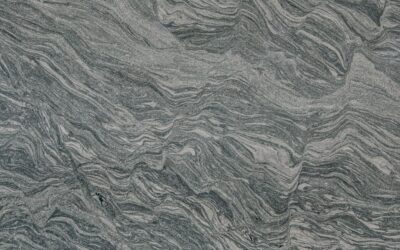
If your kitchen leans warm and you are tired of cold gray stone, desert beach granite deserves a spot on your shortlist. This Brazilian stone reads like a sunlit stretch of sand, blending soft beige, golden tan, warm brown, and the occasional fleck of cream and rust. It is the kind of surface that makes maple and cherry cabinets glow, hides everyday crumbs and coffee rings with ease, and brings a relaxed, natural feeling to a room. I have used it in dozens of kitchens where the homeowners wanted something warm and forgiving rather than stark and modern, and it delivers every time.
Part of our Countertops guide — explore the full guide →
What Desert Beach Granite Looks Like
The base color sits in the beige-to-tan family, layered with swirling movement in caramel brown, gold, and darker mineral clusters. Some slabs carry gentle waves and flow, while others are more speckled and uniform. Because it is a natural stone, expect real variation from slab to slab, and even within a single bundle. That is exactly why I never let a client buy this material off a 4-inch sample chip. You have to see the full slab at the yard to understand how the pattern moves and whether it leans more sandy-light or richly golden.
Under warm kitchen lighting around 2700K, the golds deepen and the stone feels cozy. Under cooler daylight, the beiges brighten and the surface reads lighter. Look at your chosen slab in both conditions if you can.
What It Costs
Desert beach lands in the low-to-mid granite tier. Installed pricing generally runs $40 to $65 per square foot, covering the slab, fabrication, a standard edge, and installation. A typical 40-square-foot kitchen therefore falls between roughly $1,600 and $2,600 installed. Upgrades add cost: a mitered thick edge, a waterfall island, a farmhouse sink cutout, or a matching stone backsplash each raise the labor and material total. Always get at least three fabricator quotes and ask whether tear-out and disposal of the old countertop are included, since that line item alone can swing the price by a few hundred dollars.
How It Compares to Similar Warm Granites
Homeowners drawn to desert beach usually cross-shop a handful of warm-toned stones:
- Santa Cecilia granite — busier gold and burgundy speckling; a touch more formal.
- New Venetian Gold — creamier with fine burgundy flecks and a classic look.
- Giallo Ornamental — light beige with gray and gold movement; very versatile.
- Colonial Gold — warmer honey tones with more dramatic waves.
Compared to these, desert beach tends to read softer and sandier, with less aggressive contrast. If you want a calm, cohesive warm surface rather than a high-drama pattern, it is one of the better choices in the group.
Best Cabinet and Backsplash Pairings
Warm woods are the natural match. Maple, cherry, hickory, and honey-stained oak all sing next to this stone. If your cabinets are painted, cream and warm white keep the room bright, while a soft sage or muted olive plays off the earthy tones. I would steer away from cool blue-grays, which can make the beige look dingy rather than warm.
For backsplashes, a travertine or beige natural-stone tile blends seamlessly. A creamy subway tile in a 3×6 format keeps it simple and classic. If you want a little movement, a warm-toned glass or ceramic mosaic in tan and cream ties into the veining without competing. Brass, oil-rubbed bronze, and antique gold hardware all complement the palette.
Sealing and Everyday Care
Like most granites, desert beach is porous and benefits from sealing. Its medium tone hides minor staining better than a pure white stone, but you should still seal it on installation day and check it periodically. The test is easy: pour a tablespoon of water on the surface and wait 15 minutes. If it beads or stays on top, your sealer is working. If it soaks in and darkens the stone, reseal with a quality impregnating product such as Miracle Sealants 511 Impregnator.
Most kitchens need resealing every 12 to 18 months. For daily cleaning, warm water with a drop of dish soap or a pH-neutral stone cleaner is all you need. Skip vinegar, lemon-based cleaners, and abrasive scrubbing powders, which strip the sealer and can dull the polish. Wipe up oils, wine, and citrus promptly to avoid shadows or etching.
Durability in a Real Kitchen
Granite rates roughly 6 to 7 on the Mohs hardness scale, so it resists knife scratches and everyday abuse. You can set a hot pot straight from a 400°F burner onto the surface without cracking it, though I always recommend a trivet to protect the sealer over the long haul. The main weak points are the same as any granite: unsupported edges and the rim of the sink cutout, where a dropped cast-iron pan can chip the stone. Treat those areas with a little care and the counter will hold up for decades.
Fabrication and Installation Notes
Getting the most out of this stone comes down to a careful fabricator. Because desert beach has flowing movement in some slabs, seam placement matters. A good shop will flow the pattern across a seam rather than letting it stop dead, and will hide the seam in a low-traffic spot such as behind the cooktop or near a corner. Insist on approving the seam layout before any cutting starts, and confirm the shop templates your kitchen with a laser measure rather than eyeballing dimensions from a sketch.
Edge profile sets the tone. A simple eased or square edge suits a transitional kitchen and shows off a 3cm slab’s thickness. A half-bullnose feels softer and more traditional, a natural match for warm wood cabinets, while a mitered edge builds a chunky apron for a statement island. If your quote is based on 2cm material, expect a plywood substrate and a built-up edge to give the counter visual heft; 3cm can usually be set without a subtop.
On install day, the crew will dry-fit the pieces, run color-matched epoxy at the seams, and shim everything level before the final set. With a warm-toned stone like this, ask the fabricator to tint the seam epoxy to match the beige background rather than defaulting to a generic color, since a mismatched seam line stands out more on lighter stone. Plan for a few hours without a working sink while the plumbing is disconnected, and give the sealer and epoxy a day to cure before any heavy scrubbing.
Is Desert Beach Granite Right for You?
Choose desert beach granite if you want a warm, sandy surface that flatters wood cabinets, forgives daily messes, and brings a relaxed feel to the kitchen. It suits traditional and transitional designs beautifully and is friendly to a mid-range budget. If your heart is set on a cool, ultra-modern gray-and-white palette, this is not your stone. But for homeowners chasing warmth, character, and value, few granites deliver as much for the money. Hand-select your slab, budget for proper fabrication, and keep up with simple annual care, and you will have a countertop that feels custom for years to come.