Double hung vinyl windows are the most popular replacement windows in American homes, and for good reason. The vinyl frame keeps them affordable and low-maintenance, while the double-hung design, with two operable sashes that slide up and down, makes them easy to clean and ventilate. They suit nearly every architectural style from colonial to craftsman. Before you order a houseful, it helps to understand how they work, what they cost, and which features actually matter for comfort and energy bills.
Part of our Windows & Doors guide — explore the full guide →
How Double Hung Windows Work
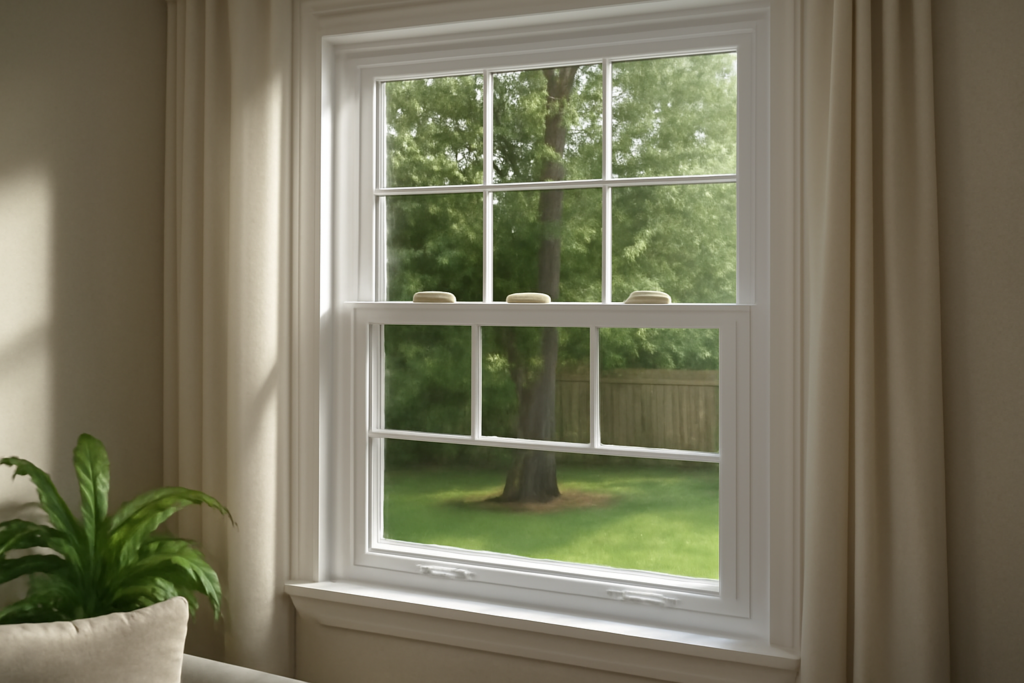
A double-hung window has two sashes stacked in a single frame. Both the top and bottom sashes move, so you can open the bottom, the top, or both at once. Opening the top sash lets warm air escape near the ceiling while the bottom draws cooler air in, creating natural ventilation. Most modern units have tilt-in sashes that let you clean the outside glass from indoors, a major convenience on upper floors.
This differs from a single-hung window, where only the bottom sash moves. Single-hung units cost a little less and have one fewer moving seal, but they sacrifice the ventilation flexibility and easy top-sash cleaning that make double-hung windows so practical.
Why Vinyl Frames Are So Common
Vinyl (PVC) frames dominate the replacement market because they hit the sweet spot of price, efficiency, and upkeep. They never need painting, do not rot or corrode, and resist moisture, which makes them ideal for humid climates and bathrooms. Quality vinyl frames have multiple internal chambers that trap air and improve insulation.
- Low maintenance: no painting, staining, or sealing; just occasional cleaning.
- Energy efficient: hollow insulating chambers reduce heat transfer through the frame.
- Affordable: typically the lowest-cost frame material, beating wood, fiberglass, and aluminum-clad.
- Durable: resists rot, rust, and insect damage for decades.
Energy Efficiency Features
The frame is only part of the efficiency story; the glass package matters more. Look for double-pane (or triple-pane in cold climates) insulated glass with a low-E coating that reflects heat, and argon gas fill between the panes for added insulation. Check the NFRC label for two key numbers: U-factor (lower means better insulation) and Solar Heat Gain Coefficient (lower keeps out more summer heat). For most climates, a U-factor around 0.30 or below and an ENERGY STAR rating for your region is the target.
What Double Hung Vinyl Windows Cost
Pricing varies with size, glass package, and brand, but vinyl double-hung windows generally run about $300 to $800 per window for the unit itself, with professional installation adding roughly $150 to $400 each. A standard whole-house replacement of 10 to 15 windows commonly lands in the $4,000 to $12,000 range installed. Custom sizes, triple-pane glass, and decorative grids push the cost higher.
Get itemized quotes that separate the window, installation, and any trim or capping work. The cheapest builder-grade vinyl can warp or develop seal failures sooner, so a mid-tier window from a reputable manufacturer is usually the better long-term value.
Pros and Cons
The advantages are clear: low cost, no maintenance, solid energy performance, easy cleaning with tilt-in sashes, and broad style compatibility. The main drawbacks are aesthetic and structural. Vinyl comes in limited colors, typically white and a few neutrals, and cannot be repainted, so you commit to the color you buy. Very large vinyl windows can also feel less rigid than fiberglass or wood, and the two-sash design has slightly more air-leakage potential than a fixed picture window.
Installation Considerations
Replacement vinyl windows come in two main install types. Insert (pocket) replacements fit inside the existing window frame and are faster and cheaper when the old frame is sound. Full-frame replacements remove everything down to the rough opening and are the right call when the original frame is rotted or you want to change the size. Either way, proper flashing, insulation around the frame, and a level, square installation are what prevent drafts and leaks down the road.
Glass and Grid Options
Beyond the basic glass package, several upgrades change how the windows look and perform. Tempered or laminated safety glass is required or recommended for windows near doors, floors, and bathrooms. Obscure or frosted glass adds privacy for bathrooms. For grids, you can choose grilles-between-the-glass for an easy-to-clean colonial look, simulated divided lites for a more authentic appearance, or no grids for a clean modern view. Each choice affects both the price and the architectural style, so match the grid pattern to your home rather than defaulting to whatever the salesperson shows first.
Signs You Need Replacement Windows
Knowing when to replace old windows helps you justify the investment. Telltale signs include drafts you can feel near the sash, condensation or fog trapped between double panes (a failed seal), windows that stick or will not stay open, visible rot or water damage on wood frames, and rising heating and cooling bills traced to leaky openings. Single-pane and aging aluminum windows are prime candidates for an upgrade to insulated vinyl. If you notice ice forming on the interior glass in winter or rooms that never feel comfortable near the windows, the existing units are likely failing and new double hung vinyl windows will pay back in comfort and efficiency.
Care and Longevity
Maintenance is minimal. Wipe the frames with mild soap and water, vacuum the sash tracks to keep them sliding smoothly, and inspect the weatherstripping and exterior caulk once a year, resealing if you find gaps. Avoid abrasive cleaners that can scratch the vinyl. Treated this way, quality double hung vinyl windows commonly last 20 to 30 years, making them a dependable, budget-friendly upgrade that pays back in comfort and lower energy bills.
Watch for a few warning signs as the windows age: hardware that no longer locks smoothly, balance springs that fail so the sash will not stay up, weatherstripping that flattens and lets in drafts, and seal failures that fog the glass. Many of these are repairable with replacement parts rather than a full window swap, especially if you keep the model and manufacturer information from your original purchase. Addressing small issues early, a worn balance or a cracked weatherstrip, keeps the windows operating well and extends their useful life by years.