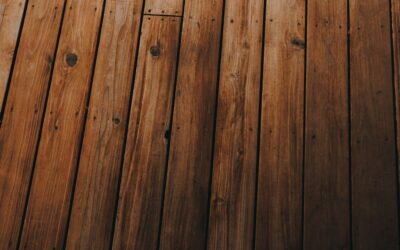
Few stain colors split opinions like this one. DuraSeal Weathered Oak (color 170) is a light, softened brown with a grayish, driftwood leaning, and it is one of the most searched colors on DuraSeal’s chart. The catch is that the chart samples are shown on white oak, and many American homes have red oak floors. Put the same can on both species and you get two noticeably different floors.
On white oak, Weathered Oak tends to read as a calm, muted light brown that lets the grain show. On red oak, the wood’s pink undertone pushes back, and the result can look warmer or more golden than the chip. Some homeowners like how the stain tones the red down; others still see more pink than they wanted. Knowing which outcome to expect, and testing on your own boards, is the whole game.
- DuraSeal Weathered Oak on Red Oak vs White Oak
- Why the Same Stain Looks Different
- Tools and Materials
- Applying Weathered Oak Step by Step
- Safety: Ventilation and Oily Rags
- Troubleshooting Weathered Oak
- Cost and When to Call a Pro
- Matching Weathered Oak to Existing Floors
- Pairing Ideas
- Frequently Asked Questions
DuraSeal Weathered Oak on Red Oak vs White Oak
The comparison table sums up how the color tends to behave on the two most common flooring oaks. Wood varies board to board, and age, sanding grit and water popping all change the result, so treat these as tendencies rather than guarantees.
| Factor | On red oak | On white oak |
|---|---|---|
| Undertone | Warmer, with pink or golden peeking through | Closer to the chart: muted, light gray-brown |
| Depth of color | Often slightly darker, since red oak’s open pores take up more stain | Lighter and more even |
| Grain contrast | Bold cathedral grain stands out | Tighter grain, softer overall look |
| Best cabinet pairings | White, cream or soft greige cabinets | White, light gray or natural wood cabinets |
| Wall colors | Warm whites and greige to calm the red | Cool or warm whites, soft grays |
| Main risk | Floor reads pinker than the sample | Floor reads lighter or flatter than expected |
DuraSeal’s own color card notes that colors are shown on white oak, water popped and finished with a flat clear coat, and that natural wood tones vary so the final color will shift slightly from board to board. That is your cue to sample before you stain the whole room.
Why the Same Stain Looks Different
Red oak has larger, more open pores and a natural pinkish cast. It absorbs more pigment in the grain and less on the denser bands, so stain looks higher contrast and warmer. White oak has closed pores filled with tyloses, a naturally tan to olive cast, and tighter grain. It takes stain more evenly and stays closer to the swatch.
Weathered Oak is a light, low-pigment color. Light stains reveal the wood’s own undertone more than dark stains do, which is why a dark walnut covers the red-vs-white difference while Weathered Oak magnifies it. It is also listed on DuraSeal’s chart as a certified Minwax color, meaning it is matched to the Minwax shade of the same name, a handy option for small test boards.
Tools and Materials
- Drum or belt sander plus edger (or a rented set), with a final screen at 100 grit per the maker’s prep instructions
- Shop vacuum and tack cloths dampened with mineral spirits
- Stain applicator pad, lambswool applicator or clean cotton rags
- Plenty of lint-free rags for wiping off excess
- Nitrile gloves, safety glasses and an organic-vapor respirator
- Metal can with a lid, or a bucket of water, for used rags
- A compatible clear finish (water-based or oil-modified)
Applying Weathered Oak Step by Step
Weathered Oak is sold in DuraSeal’s Quick Coat penetrating finish line, which is ready for a topcoat in about two hours under normal conditions. The steps follow the maker’s directions.
- Sand evenly. Sand through the grits and finish with a 100-grit screen. Uneven sanding is the top cause of blotchy light stains.
- Decide on water popping. Raising the grain with a light, even mist of water opens pores so the color goes deeper and more uniform. DuraSeal’s chart samples were water popped, so pop your sample boards too if you want a match.
- Clean thoroughly. Vacuum all dust and tack the floor with a cloth lightly dampened with mineral spirits.
- Stain test boards. Use leftover boards or a closet corner. Try Weathered Oak alone, and if red oak looks too pink, test a blend with a slightly grayer shade.
- Apply generously. Work in manageable sections along the grain with a pad, lambswool or rag.
- Wipe off excess. Let it penetrate 5 to 8 minutes, then remove every bit of excess with clean rags. Leftover stain will not dry properly and can cause finish adhesion problems.
- Let it dry. Allow at least 2 hours at about 77°F and 50% humidity before topcoating. Cooler, damper rooms need longer.
- Topcoat. Apply a compatible water-based or oil-modified finish. A flat or matte sheen keeps the weathered look; gloss can make it read warmer.
Safety: Ventilation and Oily Rags
Penetrating stains contain solvents. Open windows, run fans that push air out, and wear an organic-vapor respirator, gloves and eye protection. Turn off pilot lights on gas water heaters, furnaces and stoves in or near the work area, since flammable vapors can travel. Never mix stain with other chemicals.
Oil-soaked rags and pads can heat up and ignite on their own as they cure. Do not pile them in a trash can. Lay them flat outside to dry, or place them in a metal container filled with water and sealed, then dispose of them per local rules. Keep the open can away from heat sources.
If your house was built before 1978 and the floor has painted borders or old coatings, test for lead before sanding. Sanding old finishes also creates fine dust, so use dust collection and HEPA cleanup.
Troubleshooting Weathered Oak
Red oak looks too pink. This is the most common complaint. Options include blending in a small proportion of a gray-toned stain, choosing a slightly darker brown, or using a flat clear finish that does not amber. Test every option on a sample first.
Blotchy color. Usually uneven sanding, skipped screen marks, or stain left on too long in some spots. Light colors show every flaw, so sand carefully and wipe consistently.
Finish peeling or staying tacky. Excess stain was not wiped off or did not dry long enough. Allow extra time in cool weather.
Color yellows over time. Oil-based clear coats amber with age, shifting gray-brown stains toward gold. A nonambering water-based finish helps keep the cooler look.
Cost and When to Call a Pro
Professional sanding, staining and finishing of an existing hardwood floor typically runs in a general range of $3 to $8 per sq ft, depending on finish system, region and floor condition. DIY saves labor but requires renting sanders, and light colors like Weathered Oak are unforgiving of sanding mistakes.
Call a flooring refinisher when the floor has deep damage, thin boards from past sandings, or mixed species from patches, or when you are trying to make red oak read gray. Experienced refinishers often build custom blends and lay out several samples before committing.
Matching Weathered Oak to Existing Floors
Patching or extending an old Weathered Oak floor is harder than staining a whole room. The original color has aged under its finish, especially if that finish was oil-based and has ambered. New boards stained straight from the can will almost always look lighter and grayer than the old floor next to them.
The practical fix is to sand and refinish the full connected area so everything takes stain at the same time. If that is not possible, stain several offcuts of the new boards with Weathered Oak and small blends with warmer colors, topcoat them with the same finish type as the old floor, and compare them on the floor in daylight. Expect a slight difference; a doorway threshold or a change of direction helps hide it.
Pairing Ideas
Because the color sits between warm and cool, DuraSeal Weathered Oak works with white shaker cabinets, matte black hardware, linen or oatmeal upholstery, and greige walls. On red oak, lean into warm whites rather than stark bright whites, which can make the pink stand out. On white oak, you can push cooler with soft gray paint or natural stone. Bring a stained sample board when choosing paint and cabinets.
Whatever the species, the most reliable plan is the same: sand well, test on real boards, and judge the samples in daylight and lamplight before staining the full floor with DuraSeal Weathered Oak.
Frequently Asked Questions
Is DuraSeal Weathered Oak gray or brown?
It is a light brown with a grayish, weathered leaning. On white oak it looks closer to gray-brown; on red oak it often looks warmer or more golden.
What is the DuraSeal Weathered Oak color number?
DuraSeal lists Weathered Oak as color 170 on its color card. Confirm the number on the current chart before ordering.
Does Weathered Oak hide red oak’s pink tones?
It tones them down, but it does not fully hide them. Testing a blend with a slightly grayer stain on your own boards is the best way to cut more pink.
How long does Weathered Oak take to dry before finish?
In DuraSeal’s Quick Coat line, allow at least 2 hours at about 77°F and 50% humidity. Cooler or humid conditions need more time.
Should I water pop before using Weathered Oak?
Water popping gives deeper, more even color, and DuraSeal’s chart samples were water popped. Test popped and unpopped boards to see which you prefer.
Prefer to explore on your own?
See how new flooring looks in your actual room in seconds — free, no signup.
Try the free Floor Studio →