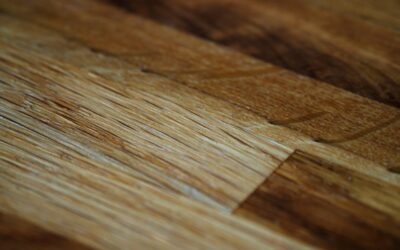
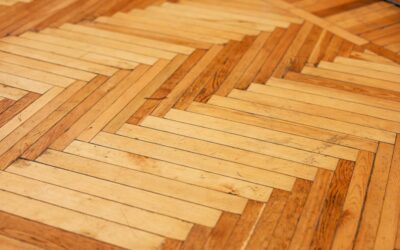
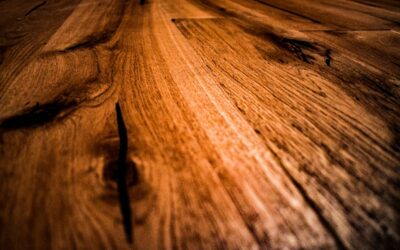
The swatch shows a soft, driftwood-like gray-brown. Then you wipe it onto red oak and get something closer to pinkish beige. That gap is the single biggest complaint about Minwax weathered oak stain, sold in the oil-based line as Weathered Oak 270, and it comes from the wood rather than the can. A light, semi-transparent gray-brown cannot hide a strong base color, so whatever tone the wood already has comes through.
Weathered Oak 270 is part of the manufacturer’s Wood Finish line, an oil-based penetrating stain for interior wood. The manufacturer lists it as semi-transparent, and it is one of the colors also offered in the line’s 250 VOC compliant formula. It works well on furniture, cabinets, trim and doors when you want a light, muted, slightly weathered look instead of a classic warm brown.
The short version: on white oak, expect the closest match to the chip. On red oak, expect a warmer, sometimes pink cast. On pine, expect a beige or greige tone with blotching unless you use a pre-stain conditioner. Always test on your own wood before committing.
Minwax Weathered Oak Stain Results by Wood
The table describes typical outcomes with one wiped coat. Board-to-board variation is real, so read it as a guide, not a promise.
| Wood | Typical result | Main issue | What helps |
|---|---|---|---|
| White oak | Soft gray-brown, closest to the chip | Few; ray fleck may show on quartersawn | Even sanding and consistent wipe timing |
| Red oak | Warm beige with a pink or rosy cast | Red base tone shows through a light stain | Test boards; deeper or cooler color; or switch species |
| Pine | Beige to greige over a yellow base | Blotching and yellow undertone | Pre-stain conditioner; two coats on scrap first |
| Maple | Very light, faint gray tint | Dense grain takes little stain | Conditioner; consider a gel stain or toner |
| Poplar | Muted gray-beige | Green streaks can read muddy | Choose clean boards; test first |
| Birch | Pale gray-brown, often uneven | Blotching | Conditioner and a light wipe |
Weathered Oak 270 at a Glance
These specs come from the manufacturer’s Wood Finish product page and color guide. Read the label on your can, since sizes and formulas vary by region.
| Spec | Value | What it means |
|---|---|---|
| Color | Weathered Oak 270 | The oil-based version of the color |
| Base | Oil-based penetrating stain | Mineral spirits cleanup, longer open time |
| Opacity | Semi-transparent | Grain and base color show through |
| Dry and recoat | 2 to 3 hours | Recoat to darken; no sanding between coats |
| Coverage | 500 to 600 sq ft per gallon | A quart handles most furniture pieces |
| Use | Interior only | Not for exterior wood |
| Related product | Weathered Oak MW270 (water-based) | A different formula listed in the white family; it will not look identical |
Be careful with the code on the can. The 270 version is oil-based. The MW270 version is a water-based semi-transparent or solid stain, and the manufacturer groups it with its white family. If you start with one and buy the other to finish, the two will not match.
Why Red Oak Turns Pink
Red oak gets its name from a pinkish-red heartwood tone. Dark stains overpower it, but light, cool stains like weathered oak let it show through, and gray pigment layered over red can look rosy or even slightly purple in some light. Searches for minwax weathered oak on red oak are mostly people trying to solve this.
You have a few realistic options:
- Accept a warmer result. Some people like the softer, beige version on red oak. Look at a test board in daylight and evening light before deciding it is a problem.
- Use two coats. A second coat deepens the gray-brown and can tame some of the pink, though it also darkens the overall look.
- Counter the red with a cooler tone. Finishers sometimes apply a very thin first coat of a cooler gray stain, then the weathered oak. Test on scrap, because results vary a lot.
- Choose a different species. For new builds, white oak takes this color far more predictably.
- Pick a different color. If you want gray on red oak, a deeper gray-brown or a dedicated gray stain may be a better starting point.
Pre-stain conditioner will not fix the pink cast. It controls absorption, not color.
Tools and Materials
- Weathered Oak 270 stain (quart for most furniture)
- Pre-stain wood conditioner for pine, maple, birch and other soft or blotch-prone woods
- Sandpaper in 120, 150 and 180 grit
- Lint-free rags, natural-bristle brush or foam applicator
- Tack cloth or microfiber cloth
- Scrap boards of the same species for testing
- Nitrile gloves, eye protection and good ventilation
- Mineral spirits for cleanup
- A metal can with a lid and water, for used rags
- A clear topcoat; a water-based finish keeps the gray look cooler than an oil-based one
How to Apply Minwax Weathered Oak Stain
- Sand to bare wood. Remove any old finish completely. Finish at 150 to 180 grit on most woods. Sanding too fine can limit how much color the wood absorbs.
- Clean thoroughly. Vacuum and wipe with a tack cloth. Dust in the pores muddies a light color quickly.
- Make test boards. Stain at least two pieces of scrap: one coat and two coats. Topcoat them too, because the clear finish changes the final tone.
- Condition blotch-prone woods. On pine, maple and birch, apply conditioner and stain within the time window its label lists.
- Stir well. Light colors contain pigment that settles. Stir before and during use.
- Apply and wipe. Brush or wipe on a generous coat, wait a few minutes, then wipe off the excess with the grain. Keep wait times consistent from section to section.
- Let it dry. Give it at least the listed 2 to 3 hours, more in cool or humid conditions.
- Recoat if needed. Apply a second coat to deepen the color, without sanding between stain coats.
- Topcoat. Once fully dry, apply two or three coats of clear finish. Oil-based polyurethane ambers over time and warms the gray; water-based finishes stay clearer.
Safety: Oily Rags and Fumes
Rags and steel wool used with oil-based stain can heat up as the oil cures and catch fire on their own. This can happen hours later in a trash can, a pile in the garage or a closed bag.
- Spread used rags flat outdoors to dry, away from buildings, or seal them in a metal container filled with water.
- Dispose of them according to local hazardous waste rules.
- Keep stain and vapors away from pilot lights, furnaces, water heaters and space heaters.
- Ventilate well, wear gloves and eye protection, and use a respirator rated for organic vapors if the label calls for one.
If the piece was painted before 1978, test the old paint for lead before sanding or stripping, and follow lead-safe practices if it tests positive.
Troubleshooting
Too pink on red oak
Try a second coat on scrap, or a cooler undertone coat first. If that still does not satisfy you, a different color or species is the practical fix.
Too yellow on pine
Pine’s natural yellow combines with gray to read beige. A water-based topcoat avoids adding more yellow. A second stain coat also helps.
Blotchy finish
Sand back and restart with conditioner. On maple and birch, a gel stain or a toner coat can give a more even light tone.
Color too light overall
Leave the stain on a little longer before wiping, or add a second coat. Very finely sanded wood may not accept more stain; sanding to 150 grit can help.
Tacky surface
Excess stain was left on top. Wipe with a rag dampened in mineral spirits and let it dry fully before topcoating.
Cost Ranges and When to Call a Pro
A quart of oil-based stain typically costs in the low to mid teens, with gallons costing more. With conditioner, sandpaper, rags and a topcoat, a furniture project usually lands in the forty to one hundred dollar range in materials. Professional refinishing runs from a few hundred dollars for a single piece to the low thousands for a set of kitchen cabinets.
Hire a finisher when you need an exact match across a large project, when red oak needs color correction beyond one or two test coats, or when veneer is thin or damaged. Pros can also spray toners and glazes that make a gray-brown look much more even on difficult woods.
Frequently Asked Questions
What color is Minwax Weathered Oak 270?
It is a light, muted gray-brown with a weathered look. The manufacturer lists it as a semi-transparent oil-based stain, and the final tone depends heavily on the wood.
Why does weathered oak stain look pink on red oak?
Red oak has a natural pinkish-red base color, and a light gray-brown stain cannot cover it. The red shows through and mixes with the gray.
Is Weathered Oak 270 the same as MW270?
No. The 270 version is oil-based, while MW270 is a water-based stain sold in semi-transparent and solid versions. They will not look identical.
Do I need conditioner with Minwax weathered oak stain?
On pine, maple, birch and other blotch-prone woods, yes. On oak it is usually optional. Conditioner evens absorption but does not change the wood’s base color.
Which topcoat keeps weathered oak looking gray?
A water-based clear finish stays clearer. Oil-based polyurethane adds an amber tone that warms the gray, especially as it ages.
Can I use Weathered Oak 270 on floors?
The oil-based Wood Finish line is labeled for interior wood, and the manufacturer lists hardwood floors among its uses alongside furniture, cabinets, doors and trim. For a whole floor, test thoroughly and consider a professional, since large areas show uneven application quickly.