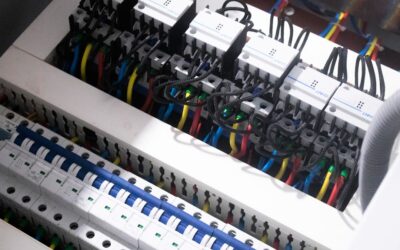
When a breaker trips the instant you flip a switch, or an outlet buzzes and smells faintly of burning plastic, you are almost certainly dealing with an electric short. A short circuit happens when electricity finds an unintended path of low resistance, letting a surge of current flow where it should not. That surge generates intense heat in a fraction of a second, which is exactly why shorts trip breakers, melt insulation, and, left unaddressed, start house fires. Understanding what causes them and how to respond safely is essential for any homeowner.
What an Electric Short Actually Is
In normal wiring, current flows out along the hot wire, does its work, and returns along the neutral. A short circuit occurs when the hot wire touches the neutral or a ground directly, skipping the load entirely. With nothing to limit the flow, current spikes dramatically, and the resulting heat is what makes shorts dangerous. A properly functioning circuit breaker senses this surge and cuts power within milliseconds to protect the wiring.
Common Causes
Shorts rarely happen at random. Most trace back to a handful of culprits that develop over years or appear after a botched repair:
- Damaged insulation: nicked, frayed, or chewed wires let conductors touch
- Loose connections: a wire backed out of a terminal can contact a neutral or ground
- Water intrusion: moisture in an outlet or junction box bridges conductors
- Faulty appliances: a failing motor or cord shorts internally
- Rodent damage: mice and squirrels gnaw cable jackets in walls and attics
- Old or overloaded wiring: deteriorated insulation in aging homes
Warning Signs to Watch For
Your home usually warns you before a short becomes catastrophic. A breaker that trips repeatedly on the same circuit is the clearest signal. Other red flags include a burning or fishy plastic smell near an outlet, scorch marks or discoloration on a receptacle, a buzzing sound from a switch, flickering lights, or a faint tingle when you touch a metal appliance casing. Any of these means stop using the circuit and investigate.
Short Circuit vs Ground Fault vs Overload
People lump these together, but they differ. A true short is a hot-to-neutral contact that causes a massive current spike. A ground fault is a hot-to-ground contact, the hazard that GFCI outlets in kitchens and bathrooms are designed to catch within milliseconds. An overload is different again: too many devices drawing more current than the circuit is rated for, which heats the wire gradually rather than instantly. Knowing which you have points you to the fix.
How to Track Down a Short Safely
If you are comfortable working carefully, you can narrow down the source. First, unplug everything on the affected circuit and reset the breaker. If it holds, plug devices back in one at a time until it trips again; the last item is your faulty appliance or cord. If the breaker trips with nothing plugged in, the problem is in the wiring itself, behind a switch, outlet, or junction box.
Always shut off the breaker before opening any device or box, and use a non-contact voltage tester to confirm the circuit is dead before touching wires. Look for charred terminals, melted insulation, or loose connections inside the box.
Immediate Steps If You Smell or See One
If you smell burning plastic, see smoke, or notice sparks from an outlet, act fast and prioritize safety over diagnosis. Turn off the affected circuit at the breaker panel immediately, and if you cannot reach the panel safely or the smell is strong, shut off the main breaker to kill power to the whole house. Unplug any devices on the circuit once it is safe to approach them.
Never throw water on an electrical fire; use a Class C or multipurpose ABC fire extinguisher, and if flames are spreading inside a wall, leave the home and call 911. A short that has reached the smoking or sparking stage is an active fire risk, not a repair to investigate while energized.
How to Prevent Shorts
Most shorts are preventable with basic upkeep. Inspect cords and plugs regularly and retire any that are frayed, cracked, or warm to the touch. Avoid overloading outlets with daisy-chained power strips, and never run cords under rugs where foot traffic crushes the insulation over time.
- Install GFCI outlets in kitchens, bathrooms, garages, and outdoors
- Add AFCI breakers, which detect arcing faults that standard breakers miss
- Keep water away from outlets and seal exterior boxes against moisture
- Schedule an inspection every few years in homes over 40 years old
In older homes with aluminum wiring or cloth-insulated conductors, a professional evaluation is especially worthwhile, since aging insulation is a leading cause of hidden shorts.
When to Call a Licensed Electrician
Some situations are not DIY territory. If the short is inside a wall, in the panel, or you cannot isolate it to a single device, call a licensed electrician. A service call typically runs $150 to $400, and repairs involving rewiring a circuit can reach $1,000 or more, but that cost is trivial next to the fire risk of a hidden electric short.
Understand the difference between a short and a simple tripped breaker from an overload, because the response differs. If a breaker trips when you run the microwave and toaster at once, that is an overload; spread the load across circuits and it stops. If a breaker trips instantly the moment you reset it, with nothing drawing power, that is the signature of a true short, and resetting it repeatedly only stresses the wiring and increases the fire risk. The breaker is a safety device doing exactly what it was designed to do.
Never bypass a tripping breaker, swap in a higher-amp breaker to stop the nuisance, or ignore a burning smell. The breaker is doing its job. Treat every short as a genuine hazard, isolate the circuit, and resolve the root cause before restoring power.
Keep a working fire extinguisher near the kitchen and garage, label your breaker panel clearly so you can kill the right circuit fast, and keep an electrician’s number handy. Treating every electric short with the seriousness it deserves protects both your home and the people in it.