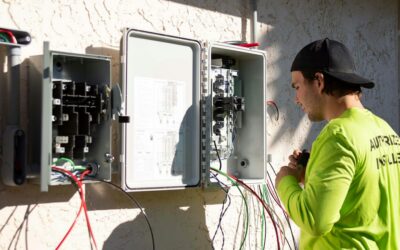
When you add a garage workshop, finish a basement, or build a backyard shop, running individual circuits all the way back to the main panel quickly becomes impractical. An electric subpanel solves that by extending your home’s electrical service to a new location, where it splits a single large feeder into multiple branch circuits. Understanding how a subpanel works will help you plan the project, talk knowledgeably with an electrician, and recognize the critical safety details that separate a code-compliant install from a dangerous one. To be clear up front: this is information, not a license to skip a professional. Subpanel work involves serious shock and fire hazards and should be installed by a licensed electrician.
What a Subpanel Is and Why You Need One
A subpanel is a smaller breaker panel fed from your main service panel. Think of it as a satellite distribution point. Power travels from the main panel through a single large cable, called the feeder, to the subpanel, which then divides that power among several circuits serving outlets, lights, and appliances in the new area.
People install subpanels for a few common reasons: the main panel has run out of open breaker slots, a new structure like a detached garage needs its own circuits, or a large addition makes a local panel far more efficient than dozens of long home runs. A subpanel keeps wiring organized and lets you shut off power to an entire zone from one place.
The Feeder: Sizing the Connection
The feeder is the backbone of the install. It must be sized to carry the total expected load of everything the subpanel will serve, and it consists of four conductors in modern installations: two hot wires, one neutral, and one separate equipment ground.
Feeder size depends on the subpanel’s amperage. A 60-amp subpanel and a 100-amp subpanel call for different wire gauges and conduit, and the calculation must account for distance, since long runs require upsizing to compensate for voltage drop. This load calculation is exactly the kind of work an electrician handles correctly, factoring in your existing service capacity so you do not overload the main panel.
The Most Important Rule: Separate Neutral and Ground
This is the single detail that trips up most DIY attempts, and it matters enormously for safety. In a subpanel, the neutral bar and the ground bar must be kept separate and isolated from each other. They are bonded together only at the main service panel, never again downstream.
That means in a subpanel you must remove or leave out the bonding screw or strap that ties the neutral bar to the panel enclosure, and you install a separate ground bar that bonds to the metal cabinet. The neutral bar floats, isolated from the case. If neutral and ground are bonded in a subpanel, current can travel on the ground wires and metal enclosures during normal operation, energizing surfaces that should never be live and defeating the protective purpose of the grounding system. Getting this wrong creates a genuine shock hazard, which is one more reason this is professional work.
Breaker Sizing and the Branch Circuits
Inside the subpanel, individual breakers protect each branch circuit. Each breaker must match the wire gauge of the circuit it feeds. As a general reference, a 15-amp breaker pairs with 14-gauge wire and a 20-amp breaker pairs with 12-gauge wire. Oversizing a breaker for a given wire is dangerous, because the breaker would fail to trip before the undersized wire overheats.
The subpanel’s main breaker or the feeder breaker at the main panel also must not exceed the panel’s rating or the feeder’s capacity. Certain circuits require GFCI or AFCI protection by code, depending on location, such as bathrooms, kitchens, garages, and bedrooms. An electrician will know which protections apply to your specific circuits.
Permits and Inspections
Electrical work on a subpanel almost always requires a permit from your local building department, and the finished work must pass inspection. This is not bureaucratic busywork. The inspection verifies correct feeder sizing, proper neutral and ground separation, secure grounding, correct breaker sizing, and safe physical installation.
Skipping the permit can void your homeowner’s insurance, cause problems when you sell the home, and most importantly leave a hidden hazard in your walls. Reputable electricians pull the permit as part of the job and coordinate the inspection.
Detached Structures Have Extra Rules
A subpanel in a detached garage or outbuilding follows additional requirements. The feeder typically needs to be buried at a code-specified depth, run in approved conduit or cable rated for the application, and in many cases the detached structure requires its own grounding electrode, such as ground rods, in addition to the equipment ground brought from the main building.
These rules vary by jurisdiction and by the specifics of your situation, which is yet another reason a licensed electrician familiar with local code is essential for outdoor and detached installations.
Where to Locate the Subpanel
Placement affects both safety and convenience. The subpanel should be mounted in an accessible, dry location with adequate working clearance in front of it, since code requires open space so an electrician can safely operate the panel. Common spots include a basement, utility room, garage, or workshop wall, positioned so the door can swing fully open.
Avoid prohibited locations such as bathrooms, clothes closets, or any spot above a sink or in a damp area without proper protection. The shorter and straighter the feeder run from the main panel, the cheaper and more efficient the installation, so where practical, place the subpanel reasonably close to the main service while still serving the area that needs the new circuits. An electrician will confirm that your chosen spot meets all clearance and access requirements.
Why a Licensed Electrician Is Worth It
It is tempting to view a subpanel as a weekend project, but the stakes are high. Mistakes with feeder sizing, neutral and ground bonding, or breaker selection can cause fires, shocks, and equipment damage that may not reveal themselves until it is too late. Live work in the main panel during the connection is especially hazardous.
A licensed electrician brings the load calculations, code knowledge, permitting, and hands-on safety practices that protect your home and family. Use this guide to understand your electric subpanel, plan the layout, and ask good questions, then let a qualified pro do the install and certify it through inspection. That combination gives you a system you can trust for decades.