Whether you just finished a bathroom remodel or bought a 40-year-old house, an electrical inspection reveals problems hiding behind walls before they cause fires or shock hazards. Roughly 50,000 home electrical fires occur in the US each year according to the National Fire Protection Association, and many stem from code violations that an inspection would have caught.
When You Need an Electrical Inspection
Some inspections are legally required. Others are smart preventive measures. Here are the most common situations:
- Permit-required work: Any new circuits, panel upgrades, or significant rewiring requires a permit and subsequent inspection in virtually every US jurisdiction
- Home purchase: A general home inspection covers basic electrical, but a dedicated electrical inspection ($200-$400) goes deeper for older homes
- Insurance requirements: Some insurers require an inspection for homes over 30-40 years old or when upgrading coverage
- After storm damage: Flooding, lightning strikes, or fallen trees that contact power lines warrant inspection before restoring power
- Older home updates: If your home still has a fuse box, knob-and-tube wiring, or ungrounded outlets, an inspection identifies priority upgrades
What an Inspector Checks
A licensed electrical inspector examines your system against the National Electrical Code (NEC), with local amendments. The inspection is thorough and methodical:
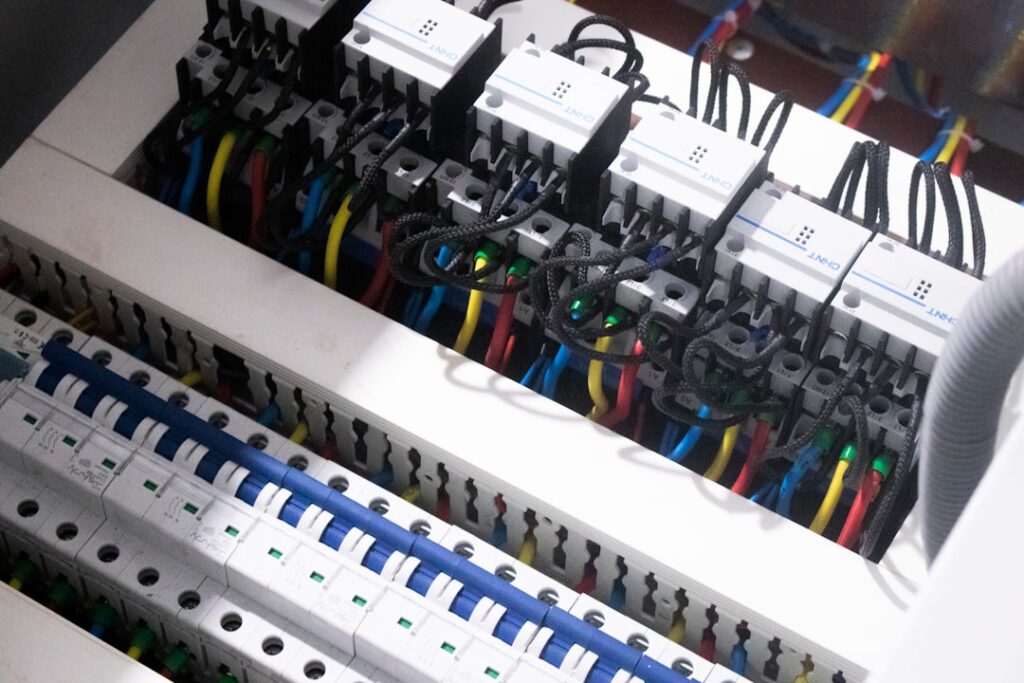
Service entrance and panel: The inspector verifies the main service size (typically 100, 150, or 200 amps for residential), checks that the panel is properly grounded, examines breaker brands and ratings, and looks for double-tapped breakers, missing knockouts, and signs of overheating.
An electrical inspection also covers branch circuit wiring. The inspector checks wire gauge against breaker amperage (14-gauge on 15A, 12-gauge on 20A), verifies proper connections at junction boxes, and confirms all boxes are accessible and covered. Hidden junction boxes buried in walls or ceilings are a common violation.
Outlets and switches get tested for proper grounding, correct polarity, and GFCI protection where required (kitchens, bathrooms, garages, outdoors, and within 6 feet of any water source). AFCI protection on bedroom circuits has been required since the 2002 NEC and has expanded to most living areas in recent code cycles.
Common Reasons Inspections Fail
Professional electricians and inspectors report the same failures repeatedly. Avoid these to pass your inspection the first time:
- Missing GFCI protection: The number-one failure. Every outlet within 6 feet of a sink, all bathroom outlets, garage outlets, and outdoor receptacles must be GFCI protected
- Overcrowded panel: Double-tapped breakers (two wires on one breaker) unless the breaker is specifically rated for it
- Improper wire connections: Wire nuts not properly tightened, exposed copper outside of wire nuts, or wires connected with electrical tape instead of proper connectors
- Missing junction box covers: Every box must have a blank cover plate or device plate
- Incorrect wire gauge: 14-gauge wire on a 20-amp breaker is a fire hazard and automatic failure
- No working space around the panel: Code requires 36 inches of clear space in front of the panel, 30 inches wide, and 78 inches high
How to Prepare for the Inspection
Preparation saves time and reduces the chance of a callback. Before the inspector arrives:
Make sure all work areas are accessible. Remove stored items from in front of the electrical panel. If the inspector cannot reach a junction box or see a connection, they will flag it as a deficiency regardless of whether the wiring is correct.
Label your panel clearly. Each breaker should identify which rooms or circuits it controls. Use a typed panel schedule rather than hand-scrawled notes for a professional impression. Most inspectors appreciate organized panels because it signals careful work throughout the project.
Test your own work before the inspector arrives. Use a GFCI outlet tester ($10-$15) to verify correct wiring and grounding at every outlet. Press the test button on all GFCI receptacles to confirm they trip and reset properly. These are the first things an inspector checks, and failing on basics creates scrutiny on everything else.
Inspection Costs and Timeline
Permit-based inspections are included in your permit fee, which typically runs $75-$250 depending on the scope of work and your municipality. Standalone electrical inspections by a licensed electrician (not the municipality) cost $200-$400 for a full-home evaluation.
Scheduling varies widely. Some jurisdictions offer next-day inspections; others have 2-3 week backlogs. Call your local building department as soon as your work is complete. Leaving wiring exposed while waiting for an inspection is normal and expected, as inspectors need to see connections before you close up walls.
What Happens if You Fail
A failed electrical inspection is not the end of the world. The inspector provides a written list of corrections. Fix each item, then schedule a reinspection. Most jurisdictions allow one free reinspection; additional visits may cost $50-$100 each.
Common corrections like adding a missing cover plate or tightening a ground connection take minutes to fix. Larger issues like replacing an undersized wire run take more effort but are still manageable. The inspector wants you to pass. Their job is safety enforcement, not gatekeeping.
DIY Work vs Hiring an Electrician
Most states allow homeowners to perform electrical work on their own primary residence and pull their own permits. However, the work must still meet code and pass inspection. If you are comfortable with wiring and willing to study the NEC requirements for your project, DIY is viable for simple additions like new outlets or light fixtures.
Hire a licensed electrician ($75-$150 per hour) for panel upgrades, service changes, or whole-house rewiring. These projects involve working inside live panels and coordinating with the utility company, which adds risk and complexity beyond most DIY skill levels. The cost of an electrician is trivial compared to the cost of an electrical fire.