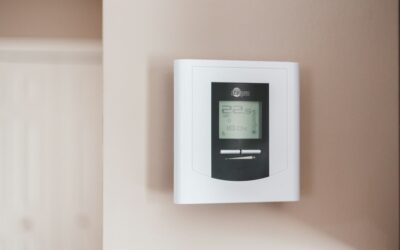
You glance at your thermostat and notice a switch or label you have never used: EMH, or sometimes EM HEAT. The EMH setting on thermostat displays stands for Emergency Heat, and it is one of the most misunderstood controls in any home with a heat pump. Flip it without understanding it and you can run up a startling electric bill. Ignore it when you truly need it and you might sit in a cold house. This guide explains exactly what the EMH switch does, how to use it correctly, and the one situation it is actually designed for.
What EMH Means and Why It Exists
EMH appears only on thermostats that control a heat pump system. A heat pump heats your home by moving heat from the outdoor air inside, which is efficient down to around freezing. But every heat pump also has a backup heat source, usually electric resistance strips in the air handler, sometimes a gas or oil furnace. The EMH setting forces the system to skip the heat pump entirely and run only on that backup, or auxiliary, heat source.
The label exists because the backup is meant to be a safety net. When your outdoor heat pump unit fails, the EMH switch lets you keep the house warm using only the indoor backup heat until a technician can repair the system. That is the single intended purpose of the setting.
EMH Versus Normal Heat Mode
This is where most homeowners get confused. In normal heat mode, your thermostat is smart about backup heat. It runs the efficient heat pump first and only calls on the auxiliary strips automatically when the heat pump cannot keep up, such as during a deep cold snap or a fast recovery from a setback. You may see an AUX HEAT indicator light up briefly during those times; that is normal and automatic.
The EMH setting is different. It manually locks the system into backup-only operation and shuts the heat pump off completely. So while AUX heat is the thermostat intelligently supplementing the heat pump, EM HEAT is you overriding the whole system to run on the expensive backup alone. They are not the same, even though both involve the auxiliary heat source.
When to Actually Use the EMH Switch
Use Emergency Heat in one scenario: when the heat pump itself is not working. Telltale signs include the outdoor unit being encased in ice, making grinding or screeching noises, not running at all, or blowing cold air when it should be heating. In those cases, flipping to EMH bypasses the broken outdoor unit and keeps your home heated on the backup until you get service.
That is essentially it. You should not switch to EMH simply because it is very cold outside, because the house is slow to warm up, or because you want to heat faster. In all of those normal situations, leave the thermostat in regular HEAT mode and let it decide when to bring in auxiliary heat. The system is engineered to handle cold weather on its own.
Why EMH Costs More to Run
Here is the financial warning. Electric resistance backup heat is far less efficient than a heat pump. A heat pump can deliver roughly two to three units of heat for every unit of electricity it consumes, because it moves existing heat rather than creating it. Resistance strips deliver only one unit of heat per unit of electricity, since they work like a giant toaster.
Running on EMH means you are heating your entire home with that toaster-style backup around the clock, with the efficient heat pump sitting idle. Homeowners who accidentally leave the switch on EM HEAT for days often see their electric bill spike dramatically. Treat EMH as a short-term measure measured in days, not a comfort setting you leave engaged.
How to Use the EMH Setting Correctly
If you suspect your heat pump has failed, here is the safe sequence:
- Confirm the problem. Check that the outdoor unit is iced over, silent, or otherwise not functioning, and that the air handler is blowing cold air on a call for heat.
- Switch the thermostat to EMH or EM HEAT. Many systems light an indicator, often red, to remind you that emergency heat is active.
- Set a reasonable temperature and avoid large jumps that make the strips run constantly.
- Call an HVAC technician promptly. EMH is a stopgap, not a repair.
- Switch back to normal HEAT mode as soon as the heat pump is fixed, and confirm the emergency indicator turns off.
One important safety note: if your backup is a gas or oil furnace rather than electric strips, the same logic applies, but never ignore unusual smells, soot, or repeated short-cycling. Those warrant shutting the system down and calling a professional immediately.
The Indicator Light and Common Mistakes
The biggest mistake is confusing the steady EMH indicator with the automatic AUX light and assuming the system is malfunctioning. If you see AUX appear briefly in cold weather while in normal HEAT mode, nothing is wrong. If you see the EM HEAT indicator on, check whether someone bumped the switch, because leaving it on by accident is the usual cause of an unexpectedly high bill.
Another mistake is flipping to EMH to thaw a lightly frosted outdoor unit. Heat pumps run automatic defrost cycles for normal frost, so a little ice is expected. Reserve the switch for a unit that is fully encased in ice or clearly not running.
What to Do If EMH Will Not Turn Off
Occasionally the EM HEAT indicator stays on even when you have switched the thermostat back to normal heat. First, double-check the physical switch or the mode setting on the screen, since smart thermostats sometimes require you to confirm the change in a menu. Cycle the system off and back on to let it reset its mode.
If the indicator persists, the issue may be a stuck thermostat relay, a wiring fault, or a control board problem in the air handler, all of which warrant a service call. Leaving the system stuck on emergency heat will keep running the expensive backup, so do not ignore it. In the meantime, you can shut the system off at the thermostat to avoid racking up resistance-heat costs until a technician can look at it.
Maintenance That Reduces Emergency Heat Use
The best way to avoid ever needing the EMH switch is to keep the heat pump healthy. Schedule annual professional maintenance before winter, keep the outdoor unit clear of leaves, snow, and ice, and change your air filter regularly so airflow stays strong. A heat pump starved for airflow or coated in debris struggles in cold weather and is more likely to fail when you need it most.
Make sure nothing blocks the outdoor unit and that it sits high enough to clear typical snowfall in your area. Replace a worn defrost control or low refrigerant promptly, since both lead to icing that can disable the unit. A well-maintained heat pump rarely fails, which means the EMH setting stays exactly where it should be, an emergency tool you almost never have to use.
The Bottom Line
The EMH setting on thermostat panels is a true emergency tool, designed for the days when your heat pump cannot do its job. It runs your home on expensive backup heat alone, so use it only when the heat pump has failed, keep it on no longer than necessary, and call for repair right away. The rest of the time, trust normal HEAT mode to manage cold weather efficiently, and let that small AUX light come and go on its own.