
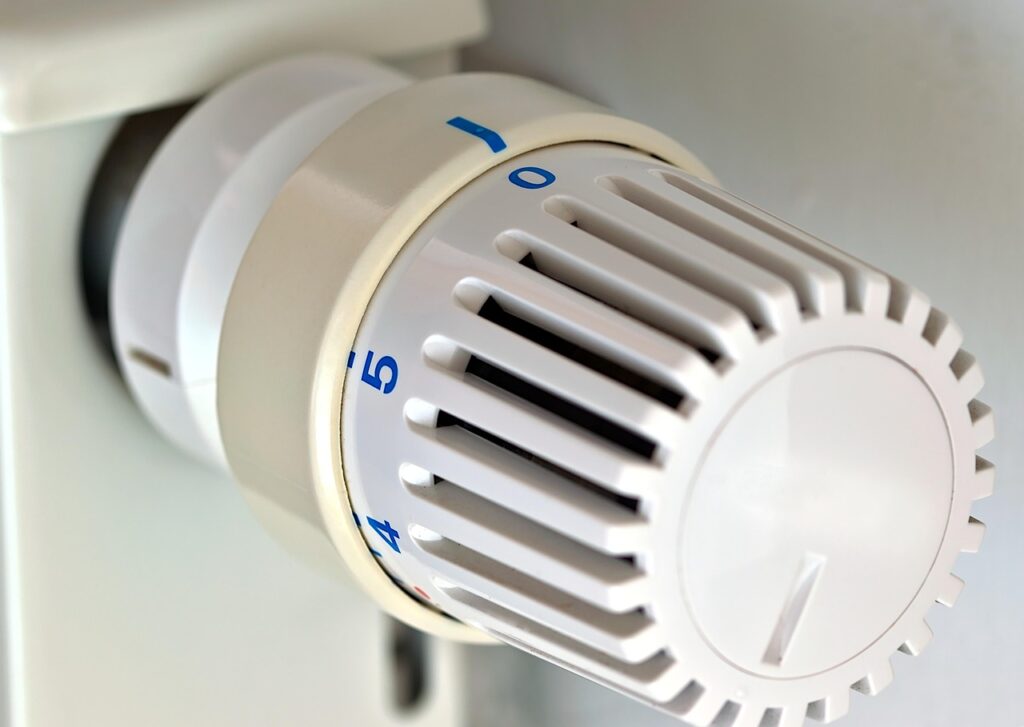
You glance at the thermostat one cold morning, see the light next to “EM HEAT” glowing red, and start wondering whether the house is actually broken. Understanding what is em heat on thermostat displays comes down to one fact: it is the manual emergency mode for heat-pump systems, and using it for the wrong reason can triple your January electric bill. After diagnosing dozens of mystery utility spikes for clients with heat pumps, I can tell you almost every one started with someone tapping that button in October and forgetting about it.
- Heat Pumps in Plain English
- Auxiliary Heat vs Emergency Heat
- When You Should Actually Use Em Heat
- Why Em Heat Costs So Much More
- Common Reasons People Leave It On Accidentally
- How to Check If You Are Currently in Em Heat
- What to Do If You Find It Stuck On
- Smart Thermostat Settings That Prevent Bill Surprises
- The Bottom Line on Emergency Heat
Heat Pumps in Plain English
A heat pump is essentially an air conditioner that runs in reverse. In summer it pulls heat out of the house; in winter it pulls heat from the outdoor air and dumps it inside. Even at 20°F there is enough thermal energy in the air for a modern unit to harvest, just at a lower efficiency than at 50°F.
Almost every heat-pump system has a backup heat source built into the air handler, usually electric resistance strips of 5 kW, 10 kW, 15 kW, or 20 kW. That backup is what the EM HEAT setting calls upon, and it is the setting that drives the bill explosions.
Auxiliary Heat vs Emergency Heat
People mix these two up constantly. They are not the same thing, even though both involve the resistance strips.
- Auxiliary heat (AUX): Automatic. The thermostat turns on the strips alongside the heat pump when the temperature drop exceeds the pump’s recovery rate
- Emergency heat (EM): Manual. The compressor is shut off completely and only the resistance strips run
Both heat the same way and cost roughly the same per hour to run. The key difference is that AUX is a partner; EM is a solo act that tells your efficient compressor to take the day off.
When You Should Actually Use Em Heat
Emergency heat exists for genuine equipment failures. The list of valid reasons to switch it on is short.
- The outdoor unit is iced over solid and the defrost cycle is not clearing it
- The compressor is making grinding, clanking, or screeching noises
- A tree branch has physically damaged the outdoor unit
- An HVAC technician told you on the phone to switch it on until they arrive
That is the entire list. Cold weather alone is not a reason. Modern heat pumps from Trane, Carrier, Mitsubishi, and Daikin operate down to 5°F or lower without any homeowner intervention.
Why Em Heat Costs So Much More
A heat pump in normal operation typically delivers 2.5 to 4 units of heat for every 1 unit of electricity it consumes. Resistance strips deliver exactly 1 to 1. That makes EM heat two to four times more expensive per BTU.
For a 2,000 sq ft home in a 30°F climate running 12 hours a day, normal heat-pump operation might cost $4-$6. The same day on EM heat can cost $14-$22. Leave EM on for an entire month and you are looking at an extra $300-$500 on the bill.
Common Reasons People Leave It On Accidentally
The button gets pressed by mistake more often than you would think. A thermostat is a small device with small labels.
- Curious children pressing buttons
- House guests trying to make a cold room warm faster
- Power outages that reset the thermostat to a default mode
- Confusion between AUX and EM during a cold snap
- A previous homeowner’s note that said “press this when cold”
How to Check If You Are Currently in Em Heat
Most thermostats display a clear indicator. On Honeywell models you will see “EMERGENCY HEAT” or a flame icon with “EM” next to it. Ecobee shows “Aux Heat Only” in the menu. Nest displays a small wrench-and-flame symbol on the home screen.
If you cannot tell, walk outside and listen near the outdoor condenser unit. If the fan is spinning and you hear the compressor humming, you are in normal heat mode. If the unit is silent and the inside vents are blowing warm air, you are in emergency heat.
What to Do If You Find It Stuck On
Switching back to normal heat takes one tap. On most thermostats, change the system mode from “EM HEAT” to “HEAT” and the heat pump will resume operation within a few minutes. Watch the outdoor unit start up to confirm.
If the outdoor unit will not run after the switch, you have an actual equipment problem. Turn off the system at the breaker, and call an HVAC technician before flipping back to EM heat as a temporary measure. Running a failing compressor against a locked rotor will turn a $400 capacitor repair into a $4,000 compressor replacement.
Smart Thermostat Settings That Prevent Bill Surprises
If you have an Ecobee or Nest, set the auxiliary heat lockout temperature to around 35°F. That tells the system not to run resistance strips above that outdoor temperature, even on a quick recovery. You can also set a maximum runtime alert so you get a phone notification if AUX heat runs more than two hours in a day.
For older thermostats, simply pulling off the cover and labeling the EM HEAT button with a piece of painter’s tape that says “do not press” prevents most accidental activations. It is silly, but it works.
The Bottom Line on Emergency Heat
Emergency heat is a safety net, not a comfort feature. Use it only when the heat pump is genuinely broken or visibly damaged, switch back the moment service is restored, and double-check the thermostat after every power outage or guest visit. That single habit can save you hundreds of dollars across a winter.


