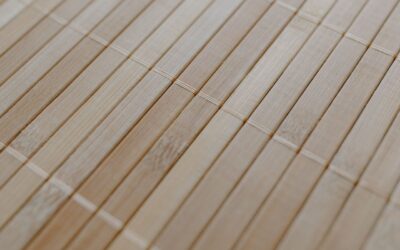
Engineered bamboo flooring combines the eco-friendly appeal and natural beauty of bamboo with the structural advantages of engineered construction. Unlike solid bamboo, which is milled from a single piece of bamboo material, engineered bamboo features a bamboo wear layer bonded to a plywood or HDF core. This construction provides greater dimensional stability, allows installation over concrete and with radiant heating, and enables wider plank formats.
This guide covers everything you need to know about engineered bamboo flooring in 2026, including how it is made, the differences between strand-woven, horizontal, and vertical types, installation methods, leading brands, and what you should expect to pay.
- What Is Engineered Bamboo Flooring?
- Types of Engineered Bamboo Flooring
- Benefits of Engineered Bamboo Flooring
- Potential Drawbacks
- Click-Lock vs Tongue-and-Groove Installation
- Top Engineered Bamboo Flooring Brands
- Engineered Bamboo Flooring Pricing
- How Engineered Bamboo Compares to Alternatives
- Maintenance Tips for Engineered Bamboo
- Final Thoughts on Engineered Bamboo Flooring
What Is Engineered Bamboo Flooring?
Bamboo is technically a grass, not a hardwood, but it is processed into flooring planks that look and perform like traditional hardwood. Engineered bamboo flooring consists of two primary components:
- Wear layer: A top layer of processed bamboo, typically 2 to 4 mm thick, that provides the visible surface and determines the floor’s appearance and style.
- Core layer: A base of cross-laminated plywood, HDF (high-density fiberboard), or bamboo ply that provides structural stability and resistance to moisture-driven expansion and contraction.
The cross-laminated core is the key advantage of engineered construction. By layering materials with alternating grain directions, the plank resists the swelling and shrinking that can cause solid bamboo to cup, buckle, or gap with changes in humidity and temperature.
Types of Engineered Bamboo Flooring
Strand-Woven Engineered Bamboo
Strand-woven bamboo is the hardest and most durable type of bamboo flooring. It is made by shredding bamboo stalks into thin strands, coating them with adhesive, and compressing them under extreme pressure. The result is an incredibly dense material that rivals or exceeds the hardness of most traditional hardwoods.
Strand-woven bamboo typically rates between 3,000 and 5,000 on the Janka hardness scale, compared to 1,360 for white oak and 2,350 for Brazilian cherry. This exceptional hardness makes it highly resistant to dents, scratches, and wear. Engineered strand-woven bamboo uses this ultra-hard material as the wear layer over a stabilizing core, giving you the durability of strand-woven bamboo with the installation flexibility of engineered construction.
The appearance of strand-woven bamboo is distinctive. The compressed strands create a unique grain pattern with a marbled, organic look that does not resemble traditional wood grain. It is available in natural (blonde), carbonized (caramel), and stained finishes.
Horizontal Engineered Bamboo
Horizontal bamboo flooring is made by slicing bamboo stalks into flat strips and laminating them side by side with the wider face showing. The characteristic bamboo “knuckle” pattern (the nodes where leaves grew on the original stalk) is visible on the surface, creating a distinctly tropical, bamboo-specific look.
Horizontal bamboo is softer than strand-woven, typically rating around 1,380 on the Janka scale (comparable to red oak). This makes it suitable for areas with light to moderate traffic. The horizontal grain pattern is the most recognizable bamboo look and appeals to homeowners who want the floor to clearly read as bamboo rather than resembling hardwood.
Vertical Engineered Bamboo
Vertical bamboo flooring uses the same bamboo strips as horizontal, but they are turned on their sides and laminated with the narrow edge facing up. This creates a linear grain pattern with thin, uniform lines that look more like traditional hardwood than the horizontal knuckle pattern.
Vertical bamboo has a slightly different hardness than horizontal due to the grain orientation, though the Janka ratings are comparable. The cleaner, more subtle grain pattern makes vertical bamboo a versatile choice for contemporary interiors where you want the sustainability story of bamboo with a less overtly tropical appearance.
Benefits of Engineered Bamboo Flooring
Environmental Sustainability
Bamboo is one of the fastest-growing plants on earth, reaching maturity in 3 to 5 years compared to 20 to 60 years for hardwood trees. It regenerates from its root system after harvesting, so no replanting is necessary. This rapid renewability makes bamboo one of the most sustainable flooring materials available.
However, the environmental picture is not entirely simple. Most bamboo flooring is manufactured in China and shipped globally, adding to the carbon footprint. Adhesives used in processing may contain formaldehyde, though reputable brands now use low-emission or formaldehyde-free adhesives. Look for certifications like FloorScore, GREENGUARD, or CARB Phase II compliance to ensure low emissions.
Exceptional Hardness (Strand-Woven)
Strand-woven engineered bamboo is harder than almost any hardwood flooring you can buy. It stands up to heavy foot traffic, pet nails, high heels, and dropped objects better than oak, maple, or even most exotic hardwoods. If durability is your top priority and you want a natural material, strand-woven bamboo is hard to beat.
Dimensional Stability
The engineered construction makes bamboo flooring much more dimensionally stable than solid bamboo. This means fewer issues with expansion, contraction, gapping, and cupping in environments with fluctuating humidity levels. Engineered bamboo can be installed over concrete, in basements, and with radiant floor heating systems where solid bamboo cannot.
Versatile Installation
Engineered bamboo flooring with click-lock profiles can be floated over virtually any flat, dry subfloor. This makes installation faster and more accessible for DIYers compared to nail-down solid bamboo. Glue-down and nail-down installation options are also available for situations where a more permanent attachment is preferred.
Attractive and Unique Appearance
Bamboo flooring has a distinctive look that sets it apart from traditional hardwood. The grain patterns, whether the horizontal knuckle look, the clean vertical lines, or the marbled strand-woven texture, are uniquely bamboo. This makes it a conversation piece and a design statement, particularly in contemporary, Asian-inspired, and eco-conscious interiors.
Potential Drawbacks
Moisture Sensitivity
While engineered bamboo is more moisture-resistant than solid bamboo, it is not waterproof. Prolonged exposure to standing water can damage the surface and core. Engineered bamboo is not recommended for bathrooms, laundry rooms, or areas with high moisture potential. For those spaces, consider waterproof flooring options like LVP or tile instead.
Quality Variation
The bamboo flooring market has significant quality variation. Budget products may use young bamboo (harvested before full maturity), excessive formaldehyde-based adhesives, or thin wear layers that limit the floor’s lifespan. Always buy from reputable brands and verify that the product meets CARB Phase II emission standards at minimum.
Limited Refinishing
Engineered bamboo can be lightly sanded and refinished, but only once or twice depending on the thickness of the wear layer. A floor with a 2 mm wear layer can typically be screened and recoated once. A 4 mm wear layer allows one full sand-and-refinish cycle. This is less than the 3 to 5 refinishing cycles possible with 3/4-inch solid hardwood.
Susceptibility to Scratching (Horizontal and Vertical)
While strand-woven bamboo is exceptionally scratch-resistant, horizontal and vertical bamboo are comparable to or slightly softer than red oak. They will show scratches from pet nails, gritty shoes, and dragged furniture. Felt pads, area rugs, and regular sweeping help protect the surface.
Click-Lock vs Tongue-and-Groove Installation
Click-Lock (Floating) Installation
Click-lock engineered bamboo uses precision-machined interlocking profiles that snap together without glue or fasteners. The assembled floor floats over a thin foam or cork underlayment. This method is fast (an experienced DIYer can install 200 to 300 square feet per day), requires no special tools beyond a saw and tapping block, and allows the floor to be disassembled and moved if needed.
Click-lock is the most popular installation method for engineered bamboo. It works over plywood, concrete, existing tile or vinyl, and most other hard, flat surfaces. The underlayment provides moisture protection, cushioning, and sound insulation.
Tongue-and-Groove (Nail or Glue-Down)
Traditional tongue-and-groove profiles require either nailing the planks to a plywood subfloor using a pneumatic flooring nailer or gluing them directly to concrete or plywood. These methods create a more permanent, rigid installation that feels more solid underfoot and produces less hollow sound than a floating floor.
Nail-down installation is standard for above-grade applications with plywood subfloors. Glue-down is preferred for concrete subfloors and radiant heating applications, as the adhesive bond maximizes heat transfer from the heating system through the floor.
Top Engineered Bamboo Flooring Brands
Cali Bamboo
Based in San Diego, Cali Bamboo is the most recognized bamboo flooring brand in the United States. Their signature product is GeoWood, which features a strand-woven bamboo wear layer over an engineered eucalyptus core. Cali Bamboo products are GREENGUARD Gold certified, carry a 50-year warranty, and are available in a wide range of stains and finishes. Price: $4 to $7 per square foot.
Ambient Bamboo
Ambient specializes exclusively in bamboo flooring and offers one of the widest selections available. Their engineered strand-woven collection features a 5.5 mm wear layer over a cross-laminated bamboo core. Products are FloorScore certified and carry a lifetime structural warranty. Price: $3.50 to $6 per square foot.
MOSO Bamboo
MOSO is a European brand widely regarded as the quality leader in bamboo flooring. Their Bamboo Industriale and Bamboo Supreme lines feature exceptionally dense strand-woven bamboo with Janka ratings exceeding 4,000. MOSO products carry multiple environmental certifications including FSC and EPD. Price: $6 to $10 per square foot.
Teragren
Teragren is a pioneer in the North American bamboo flooring market, operating since 1994. Their engineered strand-woven products use Moso bamboo harvested from managed plantations. Teragren is known for tight quality control and consistently high product standards. Price: $5 to $8 per square foot.
Home Legend / Home Decorators Collection
Available at major home improvement retailers, Home Legend and Home Decorators Collection offer budget-friendly engineered bamboo options. These products provide an entry point into bamboo flooring for cost-conscious buyers, though the wear layers tend to be thinner and warranties shorter than premium brands. Price: $2.50 to $5 per square foot.
Engineered Bamboo Flooring Pricing
Material Costs
- Budget engineered bamboo: $2.50 to $4.00 per square foot
- Mid-range engineered bamboo: $4.00 to $7.00 per square foot
- Premium engineered bamboo: $7.00 to $11.00 per square foot
Installation Costs
- Floating click-lock: $2.00 to $4.00 per square foot
- Glue-down: $3.00 to $5.00 per square foot
- Nail-down: $3.00 to $5.00 per square foot
- Underlayment: $0.30 to $0.75 per square foot
Total Installed Cost
For a 500-square-foot living room, expect to pay $2,500 to $4,500 for a mid-range engineered bamboo floor with professional installation. Premium products with glue-down installation can reach $6,000 to $8,000 for the same area.
How Engineered Bamboo Compares to Alternatives
Vs Solid Bamboo
Engineered bamboo offers better dimensional stability, more installation options, and wider plank formats. Solid bamboo can be refinished more times. For most applications, engineered is the better choice unless you are installing in a stable, above-grade environment with plywood subfloors.
Vs Engineered Hardwood
Engineered hardwood offers more species and style options and has a longer track record in the market. Engineered bamboo offers comparable or superior hardness (strand-woven) and a sustainability advantage. Pricing is similar for comparable quality levels.
Vs Luxury Vinyl Plank
LVP is waterproof, cheaper, and easier to install. Engineered bamboo is a real natural material with better environmental credentials and a more authentic feel. LVP is the practical choice for wet areas; bamboo is the choice for homeowners who value natural materials.
Maintenance Tips for Engineered Bamboo
- Sweep or vacuum regularly: Remove dirt and grit that can scratch the surface. Use a soft-bristle attachment on your vacuum.
- Damp mop weekly: Use a manufacturer-recommended bamboo floor cleaner. Avoid excessive water.
- Protect from furniture: Use felt pads under all furniture legs and replace them when they wear down.
- Control humidity: Maintain indoor relative humidity between 35% and 55% to prevent expansion and contraction issues.
- Avoid harsh chemicals: Do not use ammonia, vinegar, steam mops, or abrasive cleaners on bamboo flooring.
- Address spills immediately: While engineered bamboo handles brief moisture exposure, standing water should be wiped up promptly.
Final Thoughts on Engineered Bamboo Flooring
Engineered bamboo flooring is a compelling choice for homeowners who want a sustainable, durable, and visually distinctive floor. Strand-woven engineered bamboo delivers hardness that surpasses virtually all traditional hardwoods, while horizontal and vertical options provide the classic bamboo aesthetic at accessible price points. With click-lock installation making DIY projects feasible and reputable brands ensuring consistent quality, engineered bamboo deserves serious consideration for living rooms, bedrooms, hallways, and any dry interior space where you want a natural floor with a smaller environmental footprint.
Prefer to explore on your own?
See how new flooring looks in your actual room in seconds — free, no signup.
Try the free Floor Studio →