Engineered oak herringbone flooring has surged in popularity, with the herringbone pattern alone showing up in roughly one in three premium hardwood remodels over the past few years. The reason is simple: you get the warmth and authenticity of a real oak wear layer combined with the stability of a plywood or HDF core, arranged in a classic zig-zag that makes a room feel instantly more designed. If you are weighing this floor for a living room, hallway, or open-plan kitchen, this guide walks through how it is built, what it costs, where it shines, and where it can frustrate you.
- What Engineered Oak Herringbone Actually Is
- The Pros of Engineered Oak Herringbone
- The Cons and Trade-Offs
- How Much Does It Cost?
- Choosing the Right Wear Layer and Finish
- Grades, Color, and Plank Size
- Installation and Subfloor Prep
- Maintenance and Daily Care
- Is Engineered Oak Herringbone Right for You?
What Engineered Oak Herringbone Actually Is
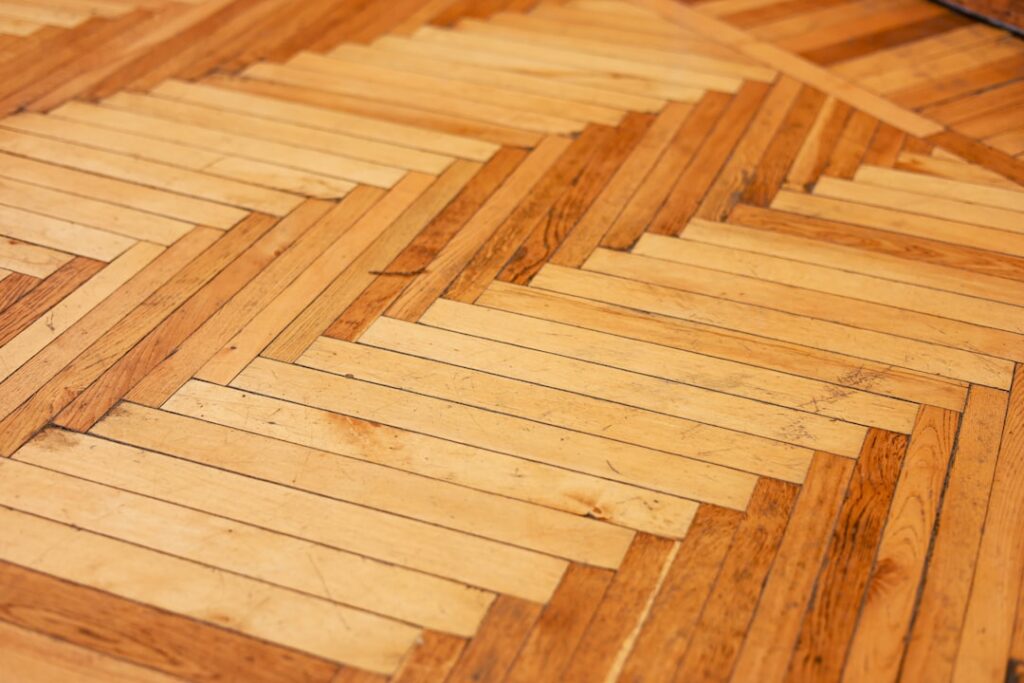
Herringbone refers to the layout, not the material. Rectangular planks are set at a 90-degree angle to one another so they form a continuous V-shaped pattern that draws the eye down a hallway or across a floor. Oak is the species of the top wear layer, prized for its tight grain, hardness, and ability to take stain beautifully.
The word “engineered” describes the plank construction. Instead of a solid piece of oak, each plank is layered: a genuine oak veneer on top (typically 2mm to 6mm thick), bonded over a multi-ply or high-density fiberboard core, sometimes with a backing veneer for balance. This cross-layered build resists the seasonal expansion and contraction that plagues solid wood, making it a smarter pick over concrete subfloors, in basements, and over radiant heat.
The Pros of Engineered Oak Herringbone
- Dimensional stability. The layered core moves far less with humidity swings than solid oak, so you see fewer gaps and less cupping in climates that go from dry winters to humid summers.
- Real wood surface. Because the wear layer is genuine oak, the floor looks, feels, and ages like hardwood. A 3mm or thicker veneer can usually be sanded and refinished at least once or twice.
- Radiant-heat friendly. Most engineered herringbone is rated for use over hydronic radiant systems, something solid oak handles poorly.
- High-end appearance. The herringbone geometry reads as bespoke and adds perceived value, which can help at resale.
- Versatile installation. Depending on the product, you can glue down, nail down, or use a click-lock floating system.
The Cons and Trade-Offs
No floor is perfect, and herringbone has real downsides to plan around.
- Higher installation cost. The angled layout is labor-intensive. Expect installers to charge a premium over straight-lay planks because the pattern requires precise layout lines, more cuts, and more waste.
- Material waste. Cutting border pieces and managing the pattern typically wastes 7 to 12 percent of material, so order extra.
- Thin veneers limit refinishing. Budget products with a 2mm or less wear layer may not survive a full sanding, meaning they behave more like a one-life floor.
- Moisture is still the enemy. Engineered is more stable than solid, but it is not waterproof. Standing water and high subfloor moisture will still cause damage.
How Much Does It Cost?
In the US market, engineered oak herringbone material generally runs from about 6 to 18 dollars per square foot, with designer and wide-format products climbing higher. Professional installation for a herringbone pattern commonly adds 4 to 10 dollars per square foot because of the extra labor and layout work. Always treat these as broad ranges; your actual quote depends on plank size, finish, subfloor condition, region, and how level your existing floor is. Get at least two or three itemized written estimates so you can compare material, labor, prep, and trim separately.
Choosing the Right Wear Layer and Finish
The single most important spec is the thickness of the oak wear layer. For a floor you want to keep for decades and refinish down the road, look for a veneer of at least 3mm, and ideally 4mm to 6mm. For a rental or a space you plan to update sooner, a thinner veneer can save money.
Finish matters too. UV-cured oil finishes give a soft, natural matte look and are easy to spot-repair, while aluminum-oxide lacquers are tougher against scratches but harder to touch up invisibly. Consider your household traffic, pets, and tolerance for visible wear when you choose.
Grades, Color, and Plank Size
Oak is sold in grades that describe how much character it shows. Select or prime grade has minimal knots and consistent color for a calm, formal look. Rustic or character grade includes more knots, color variation, and grain movement for a relaxed, lived-in feel. Neither is higher quality structurally; it is a style choice.
Plank dimensions change the whole effect. Smaller blocks create a tight, traditional parquet vibe, while larger format herringbone pieces feel more contemporary and open. In a small room, oversized herringbone can overwhelm the space, so request samples and lay them out before committing.
Installation and Subfloor Prep
Success with herringbone starts below the surface. The subfloor must be clean, dry, and flat, usually within about 3/16 inch over 10 feet. Acclimate the planks in the room for the time the manufacturer specifies so the wood adjusts to your home’s humidity. Installers snap precise centerlines because any small angle error compounds across the pattern and becomes obvious near the walls.
Glue-down installation over a properly prepped slab tends to give the most solid, quiet underfoot feel for herringbone, which is why many pros prefer it for this pattern. Floating click systems are faster and cleaner but can feel slightly less rigid. This is a job where experience pays off, so ask to see a contractor’s past herringbone work.
Maintenance and Daily Care
Caring for engineered oak herringbone is much like any wood floor. Sweep or vacuum with a hard-floor setting to remove grit that scratches the finish. Clean with a barely damp microfiber mop and a cleaner formulated for wood; never wet-mop or use steam, which forces moisture into the seams. Use felt pads under furniture, place mats at entries to catch grit, and wipe spills promptly. With reasonable care, a quality engineered oak floor easily lasts 20 to 30 years or more.
Is Engineered Oak Herringbone Right for You?
This floor is an excellent fit if you want genuine hardwood character with better stability, you are installing over concrete or radiant heat, and you value a high-end, design-forward look. It is less ideal if you are on a tight budget, need a truly waterproof surface for a bathroom, or want the simplest possible DIY install. For most homeowners chasing timeless style with modern practicality, engineered oak herringbone delivers, provided you buy a thick enough wear layer and hire an installer who knows the pattern. Weigh the upfront cost against decades of use, and it often proves worth the investment. The team at D and G Flooring recommends ordering an extra 10 percent for the pattern cuts and waste.
Prefer to explore on your own?
See how new flooring looks in your actual room in seconds — free, no signup.
Try the free Floor Studio →