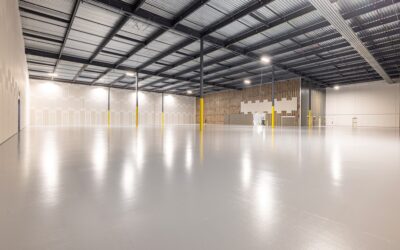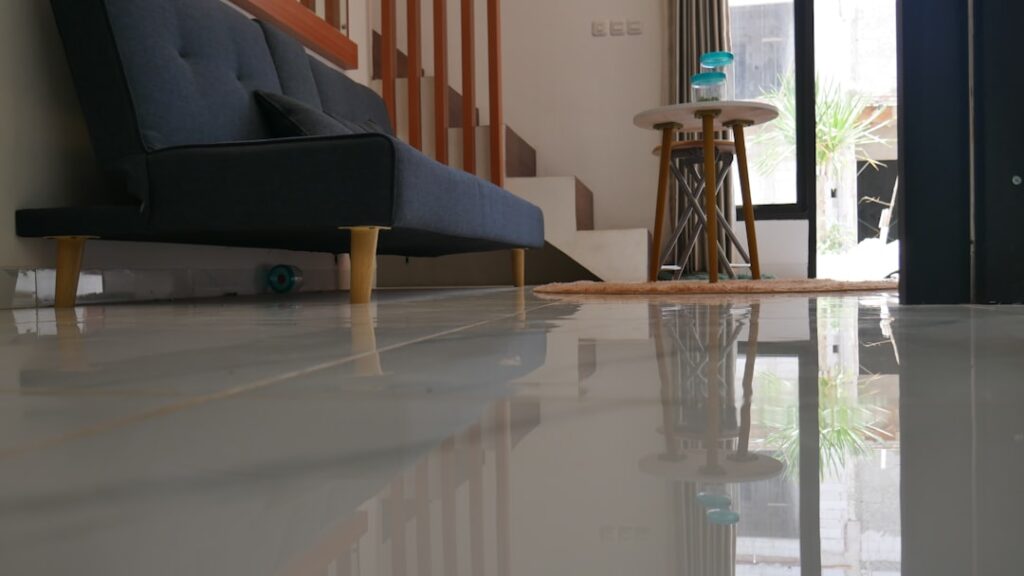
Before you commit to coating a garage, basement, or workshop, it helps to understand exactly where the money goes. The epoxy flooring price details vary widely depending on the system you choose, who installs it, and how much repair your concrete needs first. A bargain kit from a home center and a professionally installed 100 percent solids floor can differ by five times per square foot, even though both are called “epoxy.”
Part of our Epoxy, Concrete & Garage Floors guide — explore the full guide →
This guide lays out realistic pricing by system type, separates DIY from professional costs, and explains the hidden line items, like surface prep and crack repair, that surprise homeowners. With these numbers in hand you can budget accurately and avoid paying for a coating that fails within two years.
The Price Range at a Glance
Across all systems, professionally installed epoxy flooring runs roughly $3 to $15 per square foot, with most residential garage jobs landing between $5 and $9. For a standard two-car garage of about 400 to 500 square feet, that translates to a total of $1,500 to $4,500 for a quality installed floor. DIY kits shift the math dramatically, dropping material cost to $1.50 to $3 per square foot, but they trade professional durability for your own weekend labor.
The single biggest driver of these epoxy flooring price details is the resin system itself, followed closely by the condition of your slab and the number of coats. A bare, clean, crack-free garage floor is cheap to coat; a stained, cracked, or previously painted slab can add $1 to $3 per square foot in preparation alone before a drop of epoxy is applied.

1-Part Epoxy Paint: The Budget Tier
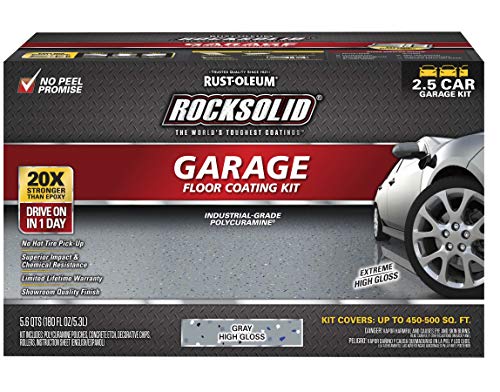
The least expensive option is a water-based or 1-part epoxy, commonly sold in DIY kits for $50 to $150 that cover 200 to 500 square feet. These products are technically epoxy-fortified acrylic paints rather than true two-component epoxy, and they lay down at only 2 to 3 mils thick, about the thickness of a sheet of paper. At roughly $1.50 to $2.50 per square foot in materials, they are the cheapest way to change a floor’s color.
The low price reflects short life. A 1-part coating typically lasts one to three years in a garage before hot tire pickup, peeling, and wear force a recoat. It is a reasonable choice for a low-traffic basement, a rental you want to freshen cheaply, or a floor you plan to upgrade later. For a garage where you park daily, spending here usually means paying twice within a few years.
100% Solids Epoxy: The Professional Standard
The workhorse of quality installations is 100 percent solids epoxy, so named because none of the volume evaporates as it cures; what you roll on is what you keep. This system builds a robust film of 10 to 20 mils in a single coat, and with a flake broadcast and clear topcoat the total build can reach 20 to 40 mils. Installed by a professional, a solids-based flake system costs $5 to $12 per square foot.
Materials alone for a 100 percent solids kit run $2 to $4 per square foot, but this is not beginner-friendly product. It cures fast, often giving you only 20 to 40 minutes of working time per batch, so professionals earn their labor fee by moving quickly and coordinating the flake broadcast before the resin sets. For a 500-square-foot garage, a professional 100 percent solids flake floor generally totals $2,500 to $4,000, and it should last 10 to 20 years with normal use.
Metallic and Designer Systems: The Premium Tier
At the top of the range sit metallic epoxy and multi-layer designer systems. Because the fluid, marbled effect is created by hand during application and demands a highly skilled installer, metallic floors cost $7 to $15 per square foot installed, and elaborate multi-color pours can exceed that. The material itself is more expensive too, as metallic pigments and the extra clear coats add up.
A 400-square-foot basement finished in metallic epoxy commonly runs $3,000 to $6,000. The premium buys a one-of-a-kind decorative floor, not just added durability, so this tier makes sense when the floor is a design centerpiece rather than a pure work surface. Homeowners choosing metallic should also budget for a satin urethane topcoat, roughly $1 to $2 per square foot extra, which protects the finish and cuts the slickness that plain metallic epoxy can have when wet.
DIY Versus Professional: Running the Numbers
The temptation to DIY is strong when a kit costs $150 and a pro quotes $3,000. The honest comparison depends on your slab and your standards. A DIY 100 percent solids kit for a two-car garage costs $600 to $1,200 in materials plus a diamond grinder rental at about $100 per day, and it demands a full weekend of physically hard prep and fast, stressful application. Done carefully, results can be excellent.
Where DIY goes wrong is preparation and timing. Professionals grind the concrete with commercial diamond equipment, fill cracks with epoxy mortar, and apply within precise temperature and humidity windows, all of which drive the coating’s real lifespan. If you skip proper grinding to save money, even a $1,000 in materials will peel within two years and you will pay a pro to strip and redo it. For a floor you want to last, the professional premium often pays for itself.
Hidden Costs That Change the Total
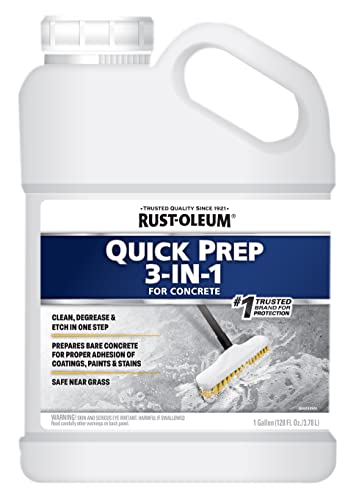
Several line items live outside the base per-square-foot number. Surface preparation is the largest: diamond grinding, shot blasting, or acid etching adds $1 to $3 per square foot, and it is non-negotiable for a lasting bond. Crack and pit repair with epoxy mortar runs $1 to $5 per linear foot of crack. If your slab has an old failing coating, stripping it can add $1 to $2 per square foot on its own.
Moisture is another budget wildcard. Concrete on grade, especially in basements, can push water vapor up through the slab and blow an epoxy coating loose. A moisture test costs little, but if your slab reads high you will need a moisture-mitigation primer at $1 to $2 per square foot. Finally, topcoats matter: a UV-stable polyaspartic or urethane clear coat adds $1 to $3 per square foot but prevents the yellowing and wear that would otherwise force an early redo.
How to Budget for Your Project
Start by measuring your true square footage and multiplying by a realistic per-foot figure for the system you want, then add a 15 to 20 percent contingency for prep surprises. For most homeowners the sweet spot is a professionally installed 100 percent solids flake floor at $6 to $9 per square foot, which balances cost against a decade-plus of service. Budget the low end only if your concrete is new, clean, and crack-free.
When you collect quotes, insist that each one spells out the resin system, the mil thickness, the prep method, and the topcoat, because a $4 and an $8 quote often describe entirely different products. Understanding these epoxy flooring price details lets you compare fairly and choose the floor that fits both your budget and how hard the space will actually be used. The cheapest bid is rarely the least expensive floor once you factor in how soon it must be redone.
It also helps to think in cost-per-year rather than cost-per-square-foot. A $2 per square foot 1-part coating that lasts two years actually costs a dollar per square foot per year, while an $8 per square foot solids-based floor that lasts sixteen years costs only fifty cents per square foot per year and looks better the whole time. Framed that way, the premium system is frequently the cheaper decision over the life of the garage, not the more expensive one.
One more budgeting note: get at least three written quotes and be wary of any bid that is dramatically lower than the others. In coatings, a rock-bottom price almost always signals skipped grinding, a thinner mil build, or a cheaper resin that will not survive hot tire pickup. Ask each contractor how many mils the finished floor will measure and what warranty they stand behind, then weigh the numbers against the lifespan you actually expect from the space.