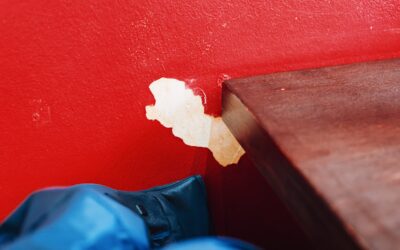
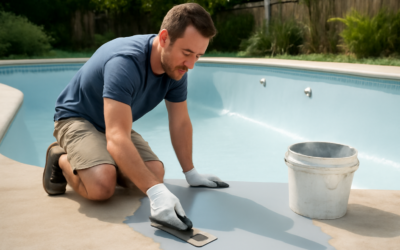
Standard latex paint chips, peels, and soaks up moisture, which is why it fails fast on hard-working wood surfaces. Epoxy paint for wood solves that problem by curing into a hard, chemical-resistant, and waterproof shell that bonds tightly to properly prepared wood. It is the finish of choice for workbenches, wood floors in shops, furniture exposed to heavy use, and wood surfaces that meet moisture. The catch is that epoxy demands meticulous prep and proper ventilation, because the same chemistry that makes it tough also makes it unforgiving of shortcuts and hazardous to apply carelessly.
Part of our Epoxy, Concrete & Garage Floors guide — explore the full guide →
What Epoxy Paint Actually Is
True epoxy coatings are two-part systems: a resin and a hardener that you mix just before applying. The two components react chemically to cure into a dense, durable film rather than simply drying. Some products labeled “epoxy paint” are single-part formulas with added epoxy esters; these are easier to use but far less durable than genuine two-part epoxy. For maximum toughness, choose a true two-part system.
Where Epoxy Paint on Wood Makes Sense
Epoxy excels on wood that takes abuse or sees moisture:
- Workbenches and shop surfaces: Resists solvents, oils, and impacts.
- Wood floors in garages and basements: Creates a hard, washable surface.
- Furniture and tabletops: Provides a glossy, water-resistant finish.
- Cabinets and trim in wet areas: Holds up to humidity better than standard paint.
It is less ideal for outdoor wood exposed to constant UV, since many epoxies yellow and chalk in sunlight unless topped with a UV-resistant coat.
Safety First
Epoxy fumes and uncured resin can irritate skin, eyes, and lungs, so protection is not optional. Before you open a can, set yourself up to work safely:
- Ventilation: Work in a well-ventilated space, open windows and doors, and run fans. Many products call for a respirator rated for organic vapors.
- Gloves: Wear nitrile gloves; uncured epoxy bonds to skin and can cause sensitization with repeated exposure.
- Eye protection: Use safety glasses to guard against splashes during mixing.
- Skin coverage: Wear long sleeves to avoid contact with resin.
- Read the label: Follow the manufacturer’s specific safety data and cure times.
Preparing the Wood
Adhesion lives or dies on prep, and epoxy is especially demanding. Skipping a step almost guarantees peeling later.
- Clean the wood thoroughly to remove grease, wax, and dirt, then let it dry completely.
- Sand the surface to remove any existing glossy finish and create tooth for the epoxy to grip.
- Vacuum and wipe away all sanding dust.
- Repair cracks and holes with wood filler, then sand smooth.
- Make sure the wood is dry; high moisture content causes adhesion failure and bubbling.
Many systems recommend or require an epoxy primer or a sealing coat on bare wood to prevent outgassing bubbles.
Mixing and Applying
Two-part epoxy has a limited pot life, the working window before it begins to harden in the container, often 20 to 40 minutes. Mix only what you can use in that time. Combine the resin and hardener in the exact ratio the maker specifies and stir thoroughly, scraping the sides and bottom.
Apply in thin, even coats with a quality brush, roller, or sprayer. Thin coats cure more reliably and resist bubbling. Most projects need two coats, with the recommended recoat window observed between them. Maintain temperatures within the manufacturer’s range, typically 60 to 85°F, for proper curing.
Choosing the Right Product
Not all epoxy products are equal, so read labels carefully before buying. For a workbench or shop floor, look for a true two-part epoxy rated for high abrasion and chemical resistance. For furniture and tabletops where appearance matters, a self-leveling epoxy coating or a tabletop epoxy gives a smooth, glossy finish. If your project sees sunlight, choose a product with UV inhibitors or plan to add a UV-resistant topcoat, since standard epoxy ambers over time. Match the coverage rate on the can to your square footage, and buy a little extra, because running short mid-coat means a visible lap line where batches meet.
Cure Time and Durability
Epoxy is usually dry to the touch within hours but takes far longer to reach full hardness. Light use is often possible after a day or two, but full chemical and abrasion resistance can take five to seven days to develop. Resist the urge to put heavy items or heavy use on the surface too soon, since premature use can mar a finish that has not fully cured.
Epoxy Paint vs. Other Wood Finishes
Epoxy is not always the right call, so it helps to compare it with the alternatives:
- Polyurethane: Easier to apply and more flexible, with good water resistance, but less chemical and impact resistance than epoxy.
- Latex or enamel paint: Cheap and simple, but far less durable and not truly waterproof.
- Spar varnish: Designed for outdoor wood with UV protection, a better pick than epoxy for sun-exposed surfaces.
- Two-part epoxy: The toughest and most chemical resistant, ideal for hard-working indoor surfaces.
Choose epoxy when maximum durability and chemical resistance matter most, such as a shop bench or a basement floor.
Troubleshooting Common Problems
Even careful work can hit snags. Bubbles usually come from applying over warm, bare wood that outgasses as it heats; sealing first and working in stable temperatures helps. A cloudy or amine blush on the surface can form in humid conditions and is washed off with water before recoating. Soft or tacky spots mean the resin and hardener were measured or mixed incorrectly, which often requires removing and redoing the affected area. Peeling almost always traces back to inadequate surface prep.
Disposal and Cleanup
Handle leftover epoxy responsibly. Let small amounts of mixed epoxy cure fully in the container before disposal, since cured epoxy is inert. Clean tools and uncured drips with the solvent the manufacturer recommends, often denatured alcohol or acetone, while wearing gloves and working with ventilation. Never pour liquid epoxy down a drain. Check your local household hazardous waste guidelines for disposing of larger quantities or empty containers.
Maintenance and Recoating
A cured epoxy surface cleans easily with mild soap and water and resists most household chemicals. Avoid dragging sharp or abrasive objects across it. When the finish eventually dulls or wears in high-traffic spots, scuff-sand and apply a fresh coat to restore protection. Done right, with proper prep and safety precautions, epoxy paint gives wood a tough, attractive finish that stands up to years of hard use.