Rotting boards under your roofline aren’t just ugly — they let water and pests into the structure and choke off the attic ventilation your roof depends on. Fascia and soffit replacement restores that protective edge, seals out moisture, and keeps air flowing through the attic. It’s one of those unglamorous jobs that quietly prevents thousands in future roof and framing damage. Here’s what the work involves, what it costs, and how to know when it’s time.
Part of our Roofing guide — explore the full guide →
What Fascia and Soffit Actually Do
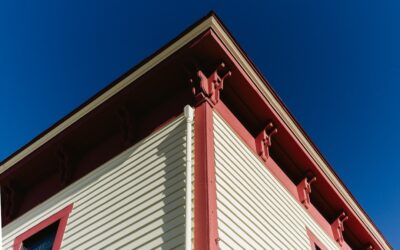
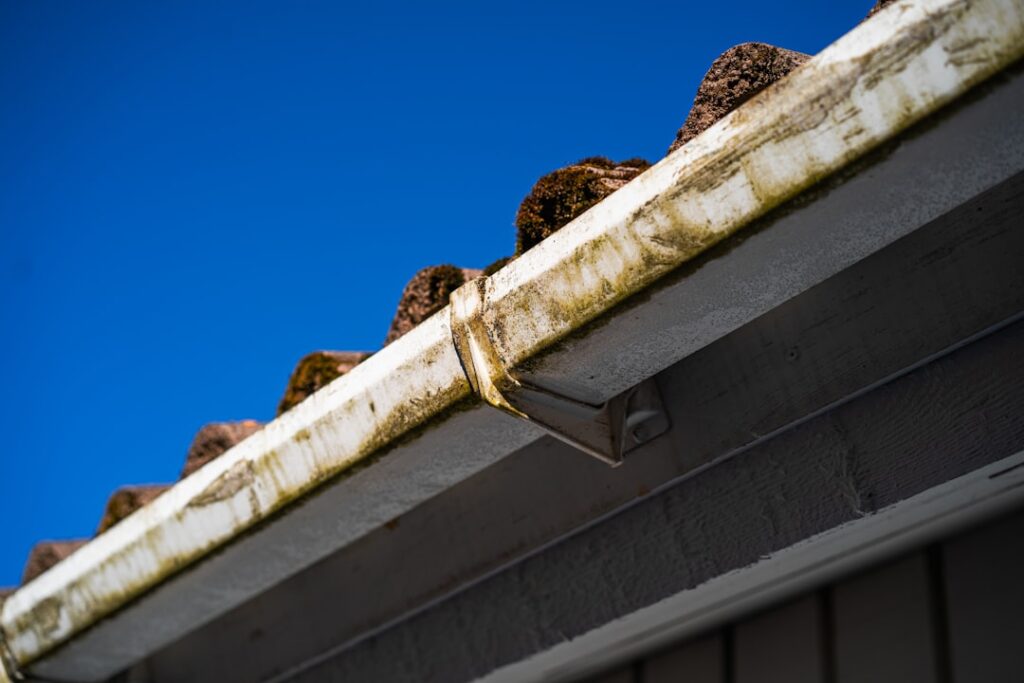
These two components finish and protect the edge of your roof. The fascia is the vertical board running along the roof’s edge where the gutters attach — it’s the face you see from the street. The soffit is the horizontal underside of the roof overhang, tucked between the fascia and the exterior wall.
Together they close off the eaves, keep out rain, birds, squirrels, and insects, and — critically — the soffit usually holds vents that draw fresh air into the attic. That intake air, working with roof or ridge vents, controls attic heat and moisture and helps your shingles last their full lifespan.
Signs You Need Replacement
Catching failure early saves money. Watch for:
- Soft, spongy, or crumbling wood on the fascia or soffit — press with a screwdriver; if it sinks in, it’s rotted.
- Peeling paint or visible water stains along the roofline.
- Sagging or gaps in the soffit panels.
- Pests getting in — birds nesting, wasps, or squirrels in the attic often mean a gap or rotted panel.
- Gutters pulling away because the fascia behind them has rotted and won’t hold screws.
- Mold or excess attic moisture from blocked or damaged soffit vents.
Most rot traces back to a gutter that overflowed or a roof edge that leaked, so plan to fix the water source at the same time. If you only replace the boards and ignore the overflowing gutter or missing drip edge that soaked them, the new wood rots on the same schedule as the old. Diagnosing the water source is half the job.
Material Options
You have several choices, each with trade-offs in cost, looks, and upkeep:
- Wood (pine, cedar, fir): traditional and easy to match; needs paint and periodic maintenance and can rot again if water isn’t controlled.
- PVC / cellular vinyl fascia: waterproof and rot-proof, holds paint or comes pre-finished; a strong low-maintenance upgrade.
- Vinyl soffit: the most common soffit material — inexpensive, comes vented, and never rots.
- Aluminum: often wrapped over wood fascia (fascia capping) for a maintenance-free painted metal face; also used for soffit panels.
- Fiber cement: extremely durable and fire-resistant, more expensive and heavier to install.
A popular durable combination is a PVC or wood fascia wrapped in aluminum capping, paired with vented vinyl soffit — it looks clean, sheds water, and rarely needs attention again.
Don’t Forget Ventilation
Whenever you replace soffit, get the venting right. Vented soffit panels let cool air enter the attic at the eaves, and that intake is only useful if it isn’t blocked. Two common mistakes: covering the vents with insulation inside the attic, and installing solid soffit with no intake at all. Install baffles in the attic to keep insulation from choking the vents, and balance soffit intake with ridge or roof exhaust so air actually moves. Proper ventilation keeps the attic dry, prevents ice dams in cold climates, and extends shingle life.
The Replacement Process Step by Step
Knowing the sequence helps you understand a contractor’s quote or plan a DIY run. A typical fascia and soffit replacement goes like this:
- Remove the gutters attached to the fascia so you can access the boards.
- Pull off the old fascia and soffit and inspect what’s underneath.
- Check the rafter tails and lookouts for rot; treat or sister-in new wood where the framing has failed.
- Install the new soffit first, set into the wall channel and supported at the fascia edge, with vented panels where needed.
- Install the new fascia, then cap it with aluminum or paint it.
- Rehang the gutters and confirm proper slope so water flows to the downspouts.
Doing soffit before fascia matters — the fascia locks the outer edge of the soffit in place. Skip the framing inspection and you risk mounting brand-new boards over rotted rafter tails that will fail again.
Related Repairs to Handle at the Same Time
Since crews are already up at the roofline with gutters removed, it’s the ideal moment to knock out related work and save on setup. Common add-ons homeowners bundle in:
- Gutter replacement: if the gutters are old or damaged, replace them while they’re already down.
- Drip edge and flashing: add or renew the metal that directs water off the roof edge away from the fascia.
- Attic ventilation upgrades: add or clear soffit vents and install baffles for proper airflow.
- Roof edge repair: address any damaged shingles or underlayment at the eave.
- Pest exclusion: seal gaps that let birds, squirrels, or wasps into the eaves and attic.
Bundling this work spreads the ladder and staging cost across several jobs and ensures the whole roof edge is watertight when the crew leaves.
Cost of Replacement
Pricing is usually quoted per linear foot of roofline. As a working range:
- Fascia replacement: $6 to $20 per linear foot installed, depending on material and height.
- Soffit replacement: $8 to $25 per linear foot installed.
- Combined fascia and soffit: often $15 to $40 per linear foot together.
For a typical single-story home with 150 to 200 linear feet of roofline, a full fascia and soffit replacement commonly runs $2,500 to $6,000. Two-story homes cost more because of the added height, staging, and safety requirements. Extensive rot that has spread into the rafter tails adds carpentry and pushes the number higher.
DIY vs. Hiring a Pro
Replacing a short, low run of fascia and soffit is within reach for a confident DIYer with ladder comfort and basic carpentry skills. Materials for a small section run a few hundred dollars, and the work is straightforward: remove the old boards, treat or replace any damaged rafter tails, install new soffit with venting, then the fascia, and finish with gutter reattachment.
That said, most of this work happens at height along the entire roofline, often two stories up, and mistakes let water back into the structure. If the run is long, the house is tall, or the rot has reached the framing, hire a licensed contractor. The fall risk and the stakes of a bad seal usually justify professional installation.
Hiring the Right Contractor
Fascia and soffit sit at the intersection of roofing, gutters, and carpentry, so hire someone comfortable with all three — a roofing contractor, a gutter specialist, or an exterior remodeler. Get at least three written quotes and make sure each spells out the material (wood, PVC, aluminum-wrapped, vinyl soffit), whether damaged rafter tails are included, and whether gutter removal and rehang are in the price.
- Verify licensing and insurance — this is at-height work, and you don’t want liability for a fall.
- Ask about ventilation — a good contractor will address soffit intake and attic airflow, not just cover the eaves.
- Get the scope in writing, including how they handle hidden rot discovered mid-job.
A bid that’s far below the others usually skips the framing repair or reuses questionable wood, which shows up as fresh rot in a few years.
Protecting the Work Afterward
New fascia and soffit last longest when you eliminate what rotted them. Keep gutters clean and flowing so water doesn’t back up onto the fascia. Confirm downspouts carry water well away from the house. Repaint or reseal wood components on schedule, and inspect the roofline each year for early signs of trouble. Handle those basics and a quality fascia and soffit replacement protects your roof edge, attic, and framing for decades.