Choosing the right floor tiles design for house projects is one of the most impactful decisions in any renovation. Tile sets the visual foundation of a room — it establishes the color palette, defines the style, and creates the first impression visitors notice when they walk through the door. With thousands of tile options available in 2026, narrowing down the field can feel overwhelming.
- Entryway Tile Design
- Kitchen Floor Tile Design
- Bathroom Floor Tile Design
- Living Room Tile Design
- Outdoor Tile Design
- Trending Tile Patterns for 2026
- How to Choose the Right Floor Tile
- Floor Tile Cost by Design Style
- Frequently Asked Questions
- What is the best floor tile design for a small house?
- Are wood-look tiles a good choice for living rooms?
- What floor tile pattern is most popular in 2026?
- What is the most durable floor tile for high-traffic areas?
- Can I mix different floor tile designs in one house?
- How do I choose between porcelain and ceramic floor tile?
- What tile size is best for bathroom floors?
This guide organizes tile design ideas by room — entryway, kitchen, bathroom, living room, and outdoor spaces — so you can focus on the options that make sense for each area. We also cover the top trending patterns and styles for 2026 to help you make a choice that looks current without becoming dated.
Entryway Tile Design
The entryway is your home’s handshake — the first thing visitors see and the area that absorbs the most dirt, moisture, and foot traffic. Floor tiles design for entryways should prioritize durability, slip resistance, and visual impact.
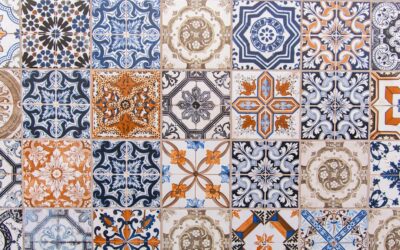
Geometric and encaustic tiles are the signature entryway choice. These cement or porcelain tiles feature bold, repeating geometric patterns — stars, diamonds, interlocking shapes — that create a carpet-like visual effect on the floor. They work exceptionally well in entryways because the busy pattern hides dirt and scuffs while making a strong design statement. Black-and-white geometric patterns are timeless; colored encaustic tiles (blue, green, terracotta) add personality.
Large-format porcelain (24″ x 24″ or 24″ x 48″) creates a clean, modern entryway with minimal grout lines. Choose a stone-look or concrete-look finish for understated elegance. The fewer grout lines also mean less maintenance in a high-traffic zone.
Hexagon tiles add visual interest without overwhelming the space. Small hexagons (2-inch) create a classic, vintage look; large hexagons (8-inch to 10-inch) feel modern and fresh. Hex tiles can be laid in a single color or mixed for a patchwork effect.
Practical tips for entryways: Choose tiles with a PEI rating of 4 or 5 (heavy traffic resistance). Ensure the tile has adequate slip resistance — a coefficient of friction (COF) of 0.60 or higher is recommended for entryways exposed to rain and snow.
Kitchen Floor Tile Design
Kitchen floors must handle spills, dropped utensils, heavy foot traffic, and constant cleaning. The best kitchen floor tile designs balance durability with the room’s overall aesthetic.
Wood-look porcelain tiles are the most popular kitchen floor tile in 2026. Advances in inkjet printing technology have made wood-look tiles virtually indistinguishable from real hardwood — complete with grain variation, knot details, and matte or wire-brushed textures. They deliver the warmth of wood with the water resistance and durability of porcelain. Plank formats (6″ x 36″ or 8″ x 48″) install in the same patterns as hardwood: straight lay, herringbone, or chevron.
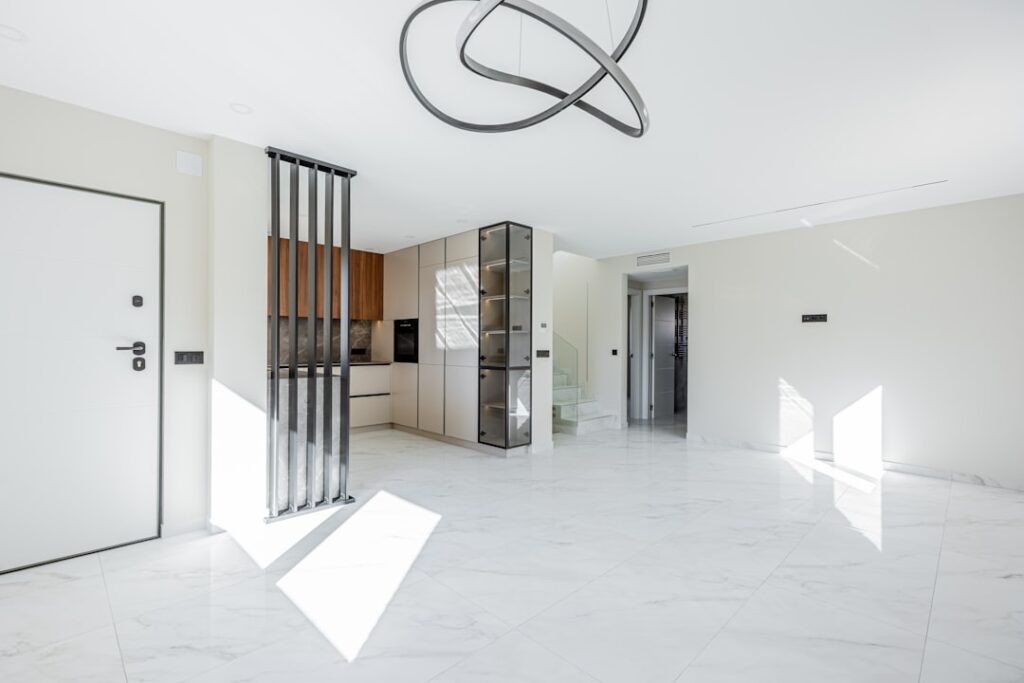
Large-format tiles (24″ x 48″ or 32″ x 32″) reduce grout lines and create a seamless, modern look in open-plan kitchen-living areas. Stone-look, concrete-look, and terrazzo-look large-format tiles are all trending. Rectified edges (precision-cut for minimal grout joints) enhance the seamless effect.
Patterned cement tiles add personality to kitchen floors — especially in eclectic, Mediterranean, or bohemian-styled homes. Use them as a full floor or as a decorative “rug” in front of the sink or island, surrounded by a simpler field tile.
Natural stone tiles (slate, travertine, limestone) bring organic warmth to kitchens. Honed or tumbled finishes provide slip resistance and a casual, lived-in feel. Note that natural stone requires sealing and more maintenance than porcelain.
Bathroom Floor Tile Design
Bathroom tile design is a balancing act between beauty, safety, and water management. The best bathroom floor tile designs address all three.
Mosaic tiles are the classic bathroom floor choice, and for good reason. Small tiles (1-inch to 2-inch) on a mesh backing mean more grout lines, which means more texture and better slip resistance — critical for wet bathroom floors. Marble mosaics (Carrara, Calacatta), glass mosaics, and porcelain penny rounds are all popular bathroom options. The abundance of grout lines also allows the floor to flex slightly with the subfloor, reducing cracking.
Marble-look porcelain delivers the elegance of real marble — veining, depth, luminosity — without marble’s vulnerability to etching, staining, and water damage. Available in mosaic, subway, and large-format sizes. This is the top choice for homeowners who want a luxury bathroom look on a practical, low-maintenance material.
Zellige-inspired tiles are handmade (or handmade-look) tiles with irregular surfaces, slight color variations, and a tactile, artisanal quality. Originally Moroccan, zellige has become a global trend. In bathrooms, zellige tiles on the floor pair beautifully with zellige on the shower walls for a cohesive, spa-like atmosphere.
Linear drain + large-format tile: A linear shower drain allows the use of large-format tiles (12″ x 24″ or larger) on shower floors by creating a single slope direction instead of the four-way slope required by center drains. This modern approach replaces the traditional small-tile shower floor with a sleek, minimal design.
Living Room Tile Design
Tile in living rooms is especially popular in warm climates, open-plan homes, and modern architectural styles. The key is to choose a floor tiles design that feels warm and inviting rather than cold and institutional.
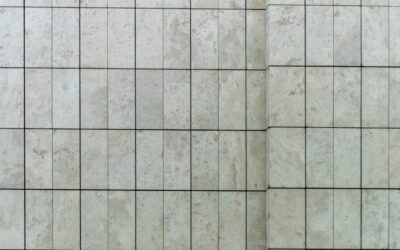
Stone-look porcelain tiles are the top choice for living room floors. Travertine-look, marble-look, and limestone-look porcelain deliver natural stone aesthetics at a fraction of the cost and maintenance. Warm tones (beige, cream, warm gray) keep the room feeling cozy.
Wood-look porcelain planks offer a way to tile your living room while maintaining the warmth and visual flow of a wood floor. In open-plan homes, running the same wood-look tile continuously from the kitchen through the living room creates a unified, spacious feel.
Terrazzo tiles — both traditional cement terrazzo and porcelain terrazzo-look — have made a strong comeback. The speckled, colorful appearance adds playful sophistication. Large-format terrazzo tiles (24″ x 24″) minimize the busy appearance while showcasing the aggregate pattern.
Concrete-look tiles suit industrial, minimalist, and modern interiors. They provide a raw, urban aesthetic with the practical benefits of porcelain: water resistance, stain resistance, and zero maintenance. Available in polished, matte, and textured finishes.
Outdoor Tile Design
Outdoor floor tiles design must address exposure to weather, UV rays, freeze-thaw cycles, and wet-surface slip hazards. Not all tiles are suitable for exterior use.
Textured porcelain is the standard for outdoor applications. Porcelain pavers (20mm thick) are specifically engineered for exterior use — they are frost-resistant, UV-stable, and available in textured, non-slip surfaces. Stone-look and wood-look porcelain pavers are the most popular outdoor choices.
Natural stone (slate, bluestone, travertine) provides an organic, high-end look for patios, pool decks, and garden paths. Choose stones rated for exterior use and select finishes that are naturally textured (cleft, tumbled, bush-hammered) rather than polished.
Quarry tiles are dense, unglazed ceramic tiles that are naturally slip-resistant and weather-resistant. They are a traditional outdoor choice in Mediterranean and Spanish-style architecture.
Key considerations for outdoor tile: Choose tiles with a water absorption rate below 0.5% (porcelain) for freeze-thaw resistance. Verify COF of 0.60 or higher for wet-surface slip resistance. Allow 1/4-inch grout joints for thermal expansion.
Trending Tile Patterns for 2026
Tile pattern and layout can transform a basic tile into a stunning floor. Here are the patterns dominating floor tiles design in 2026.
Herringbone: Rectangular tiles (or planks) laid at 45-degree angles in a zigzag pattern. Herringbone adds movement and visual interest to any room. Works beautifully with wood-look planks, marble-look rectangles, and solid-color subway tiles. The most popular tile sizes for herringbone floors are 3″ x 12″ and 4″ x 16″.
Chevron: Similar to herringbone but with parallelogram-shaped tiles that create a continuous V-pattern instead of a staggered zigzag. Chevron is slightly more formal and directional than herringbone.
Stacked bond (straight lay): Tiles aligned in a grid with joints lining up in both directions. This modern, minimal layout is trending for large-format tiles and subway tiles. It creates a clean, contemporary look.
Basket weave: Pairs of rectangular tiles alternating between horizontal and vertical orientation, creating a woven effect. A classic pattern that adds warmth and texture without being busy.
Mixed-size modular patterns: Combining two or three different tile sizes (e.g., 12″ x 24″ with 12″ x 12″) in a repeating modular layout. Popular for stone-look tiles, this pattern mimics the natural variation of a flagstone floor.
Bold color blocking: Using two or more tile colors in geometric patterns to create visual zones — for example, a contrasting tile “rug” in an entryway or a bordered dining area in a large open-plan space.
For more pattern ideas, browse our tile floor ideas gallery.
How to Choose the Right Floor Tile
With so many floor tiles design options available, use these criteria to narrow your selection.
Match the tile to the room’s demands. Entryways and kitchens need PEI 4-5 tiles with high scratch and stain resistance. Bathrooms need slip-resistant tiles (COF 0.60+). Living rooms have more flexibility since traffic is typically moderate.
Consider the grout. More grout lines mean more maintenance. Large-format tiles reduce grout but require a flatter subfloor. Choose rectified tiles for minimal grout joints or embrace wider joints as a design element with colored grout.
Think about flow. In open-plan homes, running the same tile (or a coordinating tile) through multiple rooms creates visual continuity and makes the space feel larger. Changing tile at every doorway can feel choppy.
Test samples in your lighting. Tile looks different under showroom lights than in your home. Order samples and place them on the floor in the actual room, viewing them at different times of day with both natural and artificial light.
Budget for waste and extras. Order 10% to 15% more tile than the measured area to account for cuts, breakage, and future repairs. Complex patterns like herringbone require more waste (up to 20%).
For a comprehensive overview, visit our main tile flooring guide.
Floor Tile Cost by Design Style
| Tile Style | Material Cost (per sq ft) | Installed Cost (per sq ft) |
|---|---|---|
| Basic ceramic (solid color) | $0.75 – $3.00 | $4.00 – $8.00 |
| Wood-look porcelain | $2.00 – $6.00 | $6.00 – $12.00 |
| Stone-look porcelain | $2.50 – $7.00 | $7.00 – $13.00 |
| Marble-look porcelain | $3.00 – $8.00 | $7.00 – $14.00 |
| Encaustic / cement tiles | $5.00 – $15.00 | $10.00 – $20.00 |
| Mosaic (porcelain / glass) | $5.00 – $20.00 | $12.00 – $25.00 |
| Natural stone (travertine, marble) | $5.00 – $25.00 | $12.00 – $30.00 |
| Terrazzo-look porcelain | $3.00 – $8.00 | $7.00 – $14.00 |
| Large-format porcelain (24″+) | $3.00 – $10.00 | $8.00 – $16.00 |
| Porcelain pavers (outdoor, 20mm) | $4.00 – $12.00 | $10.00 – $18.00 |
Pattern complexity also affects installation cost. Straight-lay patterns cost the least to install. Herringbone, chevron, and modular patterns add $1 to $3 per square foot due to the additional cutting and layout time required.
Frequently Asked Questions
What is the best floor tile design for a small house?
Large-format tiles (24″ x 24″ or larger) in light colors with rectified edges and minimal grout lines make small spaces feel larger. Running the same tile continuously through multiple rooms enhances the effect. Avoid busy patterns that can visually shrink a room.
Are wood-look tiles a good choice for living rooms?
Yes. Wood-look porcelain tiles combine the warmth of hardwood with the durability and water resistance of tile. They are especially popular in open-plan spaces where the kitchen and living room share the same floor.
What floor tile pattern is most popular in 2026?
Herringbone is the most popular tile pattern in 2026, especially with wood-look planks and marble-look rectangles. Stacked bond (straight grid layout) with large-format tiles is a close second for modern and minimalist spaces.
What is the most durable floor tile for high-traffic areas?
Porcelain tile with a PEI rating of 4 or 5 is the most durable option for high-traffic areas like entryways, kitchens, and hallways. Porcelain is denser and harder than ceramic, with water absorption below 0.5%.
Can I mix different floor tile designs in one house?
Yes, but limit the palette. Using 2 to 3 complementary tile styles across the entire home creates variety without chaos. A common approach is one tile for living areas, a second for bathrooms, and a third for accent areas like the entryway.
How do I choose between porcelain and ceramic floor tile?
Porcelain is denser, harder, more water-resistant, and more durable — making it better for kitchens, bathrooms, entryways, and outdoor use. Ceramic is lighter, easier to cut, and more affordable — suitable for low-traffic rooms and walls. For floor applications, porcelain is almost always the better investment.
What tile size is best for bathroom floors?
Small tiles (1-inch to 2-inch mosaics) provide the most grout texture and slip resistance — ideal for shower floors. For the main bathroom floor, 12″ x 12″ or 12″ x 24″ tiles strike a balance between style and safety. Large-format tiles (24″+) work well outside the shower in spacious bathrooms.
Prefer to explore on your own?
See how new flooring looks in your actual room in seconds — free, no signup.
Try the free Floor Studio →