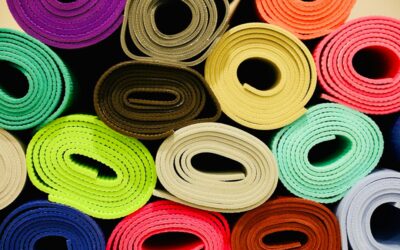
The interlocking foam squares sold for kids’ play areas range from disposable junk that gases off chemical odor for months to genuine playroom flooring that lasts a decade. The difference shows up in three places: foam density, certification, and edge geometry. Picking the wrong foam tiles for kids means buying again in six months when the corners curl and the dyes start transferring to socks. Picking the right ones gives you a cushioned, washable, easily reconfigured floor for under $3 per sq ft.
Part of our Tile & Grout guide — explore the full guide →
What Foam Tiles Actually Are
Most kids’ foam tiles are EVA (ethylene-vinyl acetate) — the same material as flip-flop soles and yoga mats. Higher-end options use closed-cell PE (polyethylene) foam, which is denser, more durable, and pricier. Both materials cushion impact, but density and thickness determine how much.
EVA foam tiles in the 1/2 inch to 5/8 inch thick range are the standard for indoor playroom use. Thinner tiles (3/8 inch) are budget options suitable for lower-impact areas. Thicker tiles (3/4 inch and up) are gym/martial arts grade and overkill for most home use.
Density Ratings That Matter
Foam density is measured in pounds per cubic foot or by ASTM impact attenuation testing. For kids’ applications, look for these benchmarks:
- 40 to 50 lb/cf: gym-grade, excellent shock absorption, premium price
- 30 to 40 lb/cf: standard playroom grade, good for ages 1-10
- 20 to 30 lb/cf: budget tier, fine for low-impact toddler play
- Below 20 lb/cf: avoid — too soft, deforms permanently under furniture
Most reputable brands publish density specs. If a product page does not state density, assume it is at the low end of the range.
Certifications to Look For
Kids put everything in their mouths, and foam tiles are no exception. Three certifications meaningfully reduce chemical exposure risk:
- CPSIA certified (US Consumer Product Safety Improvement Act compliance)
- SGS certified for low formamide content (under 200 ppm)
- EN71 certified (European toy safety standard, covers many chemicals)
Avoid products that ship with a strong chemical smell. That odor is residual formamide, a known irritant. Quality foam tiles either smell faintly of plastic or have no smell at all out of the package.
Sizes and Layout Strategy
Standard sizes are 24×24 inch, 36×36 inch, and 12×12 inch. Larger tiles cover ground faster but show seams more obviously. Smaller tiles allow more design flexibility (color patterns, alphabet pieces, custom shapes).
For a 100 sq ft playroom, 25 24×24 inch tiles or 12 36×36 inch tiles will cover the area exactly. Buy 10 percent extra to allow for cutting around irregular walls and replacing damaged tiles down the road.
Top Picks Worth the Money
Three brands consistently deliver on density, certification, and durability:
- Skip Hop Playspot Geo — 18×18 inch, 1/2 inch thick, ~$50 for 4 tiles. Best for nurseries
- BalanceFrom Puzzle Exercise Mat — 24×24 inch, 1/2 inch thick, ~$45 for 24 sq ft. Best value
- Norsk Multi-Purpose Mat — 24×24 inch, 5/8 inch thick, ~$2 per sq ft. Best for older kids and home gyms
Cheaper imports under $1 per sq ft frequently fail the smell test or develop curl within a year. The savings rarely outlast the regret.
Edge Profiles and Borders
Most kids’ foam tiles use a puzzle-style interlocking edge. The interlock works fine but leaves a serrated outer edge that looks unfinished. Most quality sets include “border” pieces — straight-edge pieces that snap into the puzzle edges to give a clean perimeter.
Always buy the border kit with the main tiles. Adding borders later often does not fit properly because manufacturer tooling can change between production runs.
Cleaning and Maintenance
EVA foam tiles wipe clean with mild soap and water. Avoid harsh cleaners (bleach, ammonia, alcohol-based products) that can break down the foam over time. For deep cleaning, lift individual tiles, scrub both sides in a sink with dish soap, and let them dry fully (4 to 6 hours) before reassembling.
Stains from markers and food usually wipe off if caught within an hour. Older stains may not fully come out — another reason to buy 10 percent extra tiles for replacement of any that get permanently damaged.
Furniture and Heavy Loads
Foam tiles compress permanently under heavy point loads. A wood bookshelf with thin legs will leave indentations that do not bounce back. Two solutions: place plywood under heavy furniture to spread the load, or arrange the playroom so heavy pieces are on the regular subfloor outside the foam area.
Most playrooms layout the foam in the active zone (center of the room) and leave the edges where shelving sits as bare floor or a low-pile rug. This protects the foam from compression and gives a visual border that helps define the play space.
Safety Considerations Beyond the Foam
Even quality foam tiles do not turn a hard floor into a guaranteed safe surface for high falls. The 1/2 inch foam absorbs impact from a toddler tumbling at floor level but does not protect against a fall from a couch or climbing toy onto a hard subfloor edge.
For active play with climbing structures, layer additional padding — a thicker gym mat (1 inch or more) or interlocking gym tiles in the highest-fall zones. The cumulative cushioning protects against bigger impacts without giving up the playroom flexibility of regular foam tiles.
Set Up and Long-Term Care
Lay foam tiles directly on a clean subfloor (carpet, hardwood, vinyl, tile — all work fine). The interlocking edges grip enough that tiles stay in place under normal play. For very active kids who lift and reorganize tiles constantly, double-stick floor tape underneath the corners keeps everything anchored.
Quality foam tiles for kids last 5 to 8 years with normal use. When colors fade or seams degrade, replace specific tiles rather than the whole floor — most manufacturers keep core colors in stock long enough for that strategy. Buy a brand still in production after a few years and you will avoid the orphan-tile problem when you eventually need to swap pieces.
Prefer to explore on your own?
See how new flooring looks in your actual room in seconds — free, no signup.
Try the free Floor Studio →