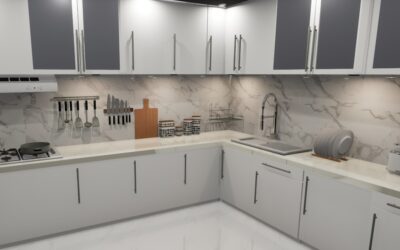
Small kitchens force a hard tradeoff: you want more counter space, but a fixed island would block the room. A foldable kitchen island resolves that conflict by giving you a full prep surface when you need it and folding down to reclaim the floor when you do not. For apartments, galley kitchens, and tight layouts, it is one of the smartest space-saving upgrades available.
Part of our Kitchen Remodeling guide — explore the full guide →
These islands come in several forms, from drop-leaf carts to wall-mounted fold-down tables, and each suits a different situation. This guide covers the types, sizing, materials, features, and costs so you can pick a unit that adds real function without crowding your kitchen.
What Is a Foldable Kitchen Island
A foldable kitchen island is a compact work surface designed to expand and contract as needed. Unlike a permanent built-in island, it either folds flat, collapses its leaves, or rolls out of the way, letting you switch between open floor space and extra counter in seconds.
The appeal is flexibility. You get the benefits of an island, more prep area, extra storage, and often seating, without permanently sacrificing the floor space that small kitchens cannot spare. When guests arrive or you need to move freely, it tucks away, and when you are cooking a big meal, it opens up to give you room to work.
Types of Foldable Kitchen Islands
There are several distinct designs, and choosing the right one depends on your space, whether you need mobility, and how much you want to store.
- Drop-leaf rolling cart: A wheeled cart with one or two hinged leaves that fold down; roll it anywhere and lock the casters
- Wall-mounted fold-down table: A surface hinged to the wall that folds flat when not in use, ideal for the tightest kitchens
- Folding butcher-block cart: A collapsible frame that folds completely flat for storage, offering a solid work surface when open
- Expandable island with hidden extensions: A cabinet-style base with a pull-out or flip-up counter extension for occasional extra space
Rolling carts are the most versatile and popular, combining mobility with storage. Wall-mounted units save the most space but offer no storage of their own, while butcher-block carts prioritize a durable prep surface.
Sizing and Space Planning
Measure before you buy, because an island that is too big defeats the purpose. Leave at least 36 to 42 inches of walkway around the island when it is open, so you can move and open appliance doors freely. In a galley kitchen, a slim cart 18 to 24 inches deep works best.
Consider both the open and folded footprints. A drop-leaf cart might measure 20 inches deep folded and 40 inches open, so plan for the smaller size day-to-day and the larger size during use. Counter height matters too; standard work height is 36 inches, and if you want to add stools for casual seating, ensure the overhang and height accommodate them.
Materials and Durability
Material affects both looks and how the island holds up to daily use. Solid wood and butcher-block tops are durable, knife-friendly, and can be sanded and re-oiled over time, though they need periodic maintenance. Stainless steel tops resist stains and heat and suit a modern kitchen, while laminate and MDF tops are budget-friendly but less durable.
For the frame and casters, look for sturdy construction and quality locking wheels, since flimsy carts wobble under pressure when you are chopping or kneading. Rubber or polyurethane casters roll smoothly and protect floors. A foldable kitchen island that feels solid when open is worth paying a little more for, because a shaky work surface is frustrating and unsafe.
Storage and Added Features
Beyond the work surface, many folding islands pack in useful storage that small kitchens crave. Look for the features that match how you cook and what you need to stow.
- Shelves and drawers for utensils, small appliances, and pantry items
- Towel bars and hooks on the sides for dish towels and tools
- Spice racks and knife blocks integrated into the cart body
- A wine or bottle rack for compact beverage storage
- Locking casters to keep the island stable during use
The more the island stores, the more it earns its footprint. In a kitchen short on cabinets, a cart that doubles as a pantry and a prep station delivers outsized value.
Cost and Where to Buy
Folding kitchen islands are affordable compared to built-in cabinetry. Basic drop-leaf rolling carts start around $80 to $200, mid-range units with butcher-block tops and drawers run $200 to $500, and larger or higher-quality islands with solid wood construction reach $500 to $900.
Wall-mounted fold-down tables are among the cheapest options at $60 to $250, though they require secure installation into wall studs. Most ready-to-assemble carts ship flat and take an hour or two to build. Buy from home retailers, furniture stores, or online marketplaces, and read reviews closely for reports of wobble or flimsy casters before committing.
Is a Foldable Island Right for You?
A foldable kitchen island is ideal if you have a small or oddly shaped kitchen, rent and cannot install built-ins, or simply want flexible prep space you can move or stow. It is also great for entertaining, rolling out extra surface and clearing it away just as easily.
If you have room for a permanent island and want maximum stability and storage, a built-in will serve better. But for the millions of homeowners and renters working with limited square footage, a well-chosen folding island delivers most of the function at a fraction of the cost and none of the permanence.
Care and Getting the Most from Your Island
A folding island lasts longer when you match care to its materials. Butcher-block and solid-wood tops need periodic oiling with food-safe mineral oil to prevent drying and cracking, and you should wipe up water rather than letting it pool on the wood. Stainless and laminate tops simply need a damp cloth and a mild cleaner. Whatever the surface, avoid dragging heavy appliances across it, which scratches the finish.
To get the most function from a compact island, treat it as a mobile command center. Roll it beside the stove for prep, wheel it to the table to serve, or move it toward an outlet to run a stand mixer, then fold and tuck it away when the meal is done. Check the caster locks and hinges every few months, tightening any loose hardware so the surface stays stable under pressure. Keep the folding leaf mechanism clean of crumbs and debris so it opens and closes smoothly. Used and maintained this way, a well-built folding island earns its keep in a small kitchen for many years, delivering flexible workspace that a fixed island simply cannot.
Frequently Asked Questions
Are foldable kitchen islands sturdy enough for real cooking?
Quality models with solid frames and locking casters are stable enough for chopping, kneading, and prep work. Avoid the flimsiest budget carts, which can wobble. Read reviews, choose sturdy construction, and always lock the wheels before working to keep the surface steady.
How much space do I need for a folding island?
Leave at least 36 to 42 inches of walkway around the island when it is open so you can move and open appliance doors. Consider both the folded and open footprints, and in galley kitchens choose a slim cart 18 to 24 inches deep.
What is the best type of foldable kitchen island for a small apartment?
A drop-leaf rolling cart is the most versatile choice, combining mobility and storage. If floor space is extremely tight, a wall-mounted fold-down table saves the most room. Choose based on whether you value storage and mobility or absolute space savings.
How much does a foldable kitchen island cost?
Basic rolling carts start at $80 to $200, mid-range butcher-block units run $200 to $500, and higher-end solid-wood islands reach $500 to $900. Wall-mounted fold-down tables are among the cheapest at $60 to $250 but require secure installation.
Can I add seating to a foldable island?
Some models allow it if the top has an overhang and the height suits stools, typically a 36-inch counter with counter-height stools. Confirm the island is stable and the leaf can support leaning weight before adding seating, and always lock the casters when it is in use.