The name has become so common that people use it for laminate counters in general, the way Kleenex stands in for tissue. Formica laminate countertops are made by Formica Group, a brand that helped pioneer high-pressure laminate decades ago. Today they offer hundreds of patterns, including convincing stone and wood looks, at a fraction of the price of natural materials. If you want a durable, budget-friendly surface with nearly endless design options, this guide explains what Formica laminate offers and how to care for it.
Part of our Countertops guide — explore the full guide →
What Formica Laminate Is
Formica laminate is high-pressure laminate, built from layers of resin-saturated kraft paper topped with a printed decorative layer and a clear wear surface. These layers are fused under intense heat and pressure into a hard, thin sheet that is then bonded to a particleboard or plywood substrate to form a countertop. The brand has been a leader in the laminate category for a long time, and its name has effectively become shorthand for the whole product type.
Design Options and Patterns
One of the biggest advantages of Formica is selection. The decorative layer is printed, which means the patterns are nearly limitless. You will find:
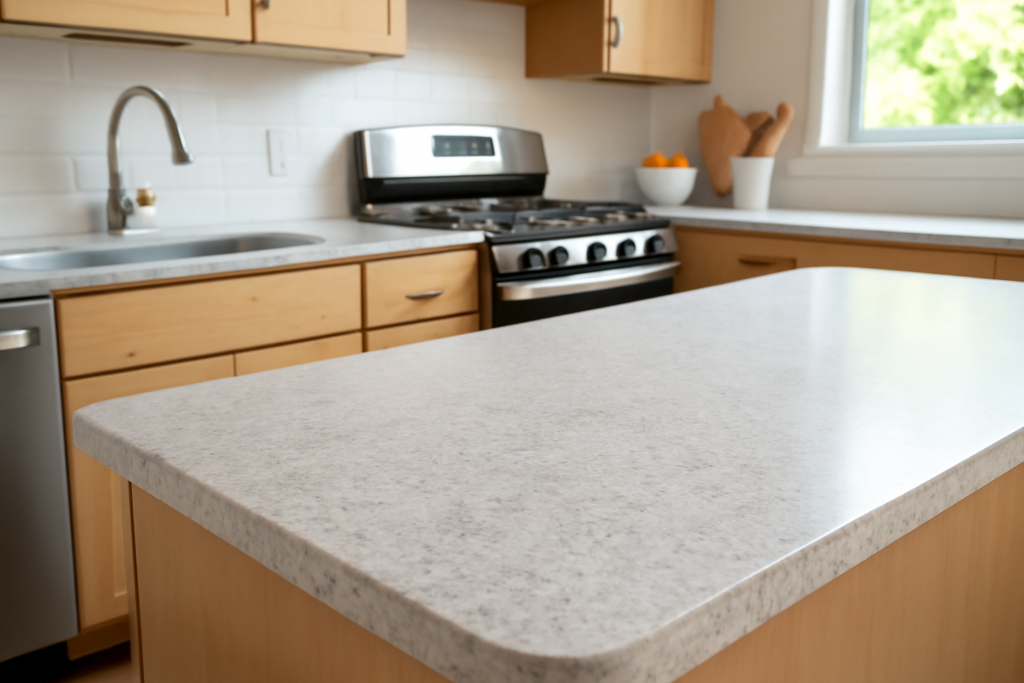
- Stone looks that mimic granite, marble, and quartz with realistic veining
- Solid colors from bright whites to deep matte tones
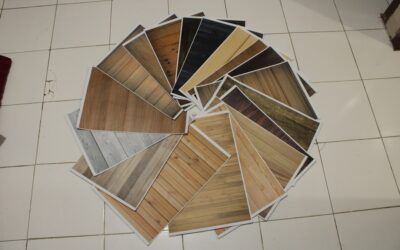
- Wood grain patterns for a warmer kitchen feel
- Concrete and industrial textures for modern spaces
Finishes range from matte to gloss to textured surfaces that add a tactile, realistic feel to stone and wood patterns. This breadth is why laminate remains popular for homeowners who want a specific look on a tight budget.
Edge Profiles
The edge of a laminate counter signals how custom it looks. Several options exist:
- Post-formed edges have a smooth, rounded front with an integrated backsplash, the classic seamless laminate look
- Self edge wraps a flat strip of the same laminate around a square front for a contemporary feel
- Beveled and applied wood edges add detail and a more upscale appearance
Choosing a more finished edge profile is one of the simplest ways to elevate a laminate counter beyond the builder-grade look.
Pros and Cons
Laminate earns its popularity through clear strengths, but it has real limits too.
Advantages include low cost, an enormous range of looks, easy cleaning, resistance to stains and everyday wear, and a relatively simple installation. It is one of the most cost-effective ways to outfit a kitchen.
Drawbacks include vulnerability to heat, since hot pans can scorch or blister the surface, and susceptibility to scratches and cuts, since you cannot chop directly on it. Damage is also hard to repair invisibly, and standing water at seams can eventually cause the substrate to swell. Knowing these limits lets you use the material wisely.
What Formica Countertops Cost
Cost is the headline reason many homeowners choose laminate. Installed Formica countertops typically run from about $20 to $50 per square foot including labor, depending on the pattern, edge profile, and complexity of the layout. Premium patterns and detailed edges sit at the higher end, but even those remain well below the cost of natural stone or quartz. For a kitchen refresh on a budget, the value is hard to beat.
How to Care for Laminate Counters
Laminate is low-maintenance, but a few habits keep it looking new for years.
- Clean with mild soap and water or a gentle all-purpose cleaner; skip abrasive powders and scouring pads
- Always use trivets or hot pads under pots, pans, and hot appliances
- Cut on a cutting board, never directly on the surface
- Wipe up spills near seams and around the sink promptly to protect the substrate
- Avoid letting water pool along edges and joints
With reasonable care, a Formica counter holds up well for many years of daily use.
How Formica Compares to Other Surfaces
Seeing laminate next to its alternatives clarifies where it fits in a kitchen budget and lifestyle.
- Versus granite and quartz, laminate costs a fraction as much and offers more patterns, but it cannot match their heat resistance, longevity, or resale appeal
- Versus solid surface, laminate is cheaper but solid surface can be sanded to repair scratches and offers seamless integrated sinks
- Versus butcher block, laminate needs no oiling and resists water better, though wood offers warmth and can be refinished
- Versus tile, laminate has no grout lines to clean and a smoother surface, but tile handles heat far better
For homeowners weighing cost against performance, laminate consistently wins on price and variety while giving up some durability and prestige.
Can You Repair or Refresh Laminate?
Laminate is not as repairable as solid surface, but minor issues can be addressed. Small chips and scratches can be filled with a color-matched laminate repair paste, which conceals the flaw though it may not vanish entirely. Lifting edges or seams can often be re-glued with seam adhesive. For tired but structurally sound laminate, some homeowners apply a specialty countertop refinishing paint kit to change the color, though results vary and the surface needs careful prep and a protective top coat. When damage is extensive or the substrate has swelled from water, replacement is usually the better investment, and because new laminate is affordable, that is rarely a painful decision.
Is Formica Laminate Right for You?
Formica laminate countertops make the most sense when budget, design flexibility, and easy upkeep matter more than the prestige of natural stone. They are ideal for kitchens, laundry rooms, home offices, and rental properties, and the realistic modern patterns mean you no longer have to sacrifice style for savings. If you can live with using trivets and a cutting board, laminate delivers a smart, attractive surface that stretches a renovation budget further than almost any alternative.
The modern reality is that laminate no longer means a dated, obviously fake counter. Today’s realistic stone and wood patterns, paired with upgraded edge profiles, let a laminate top hold its own in a well-designed kitchen for a fraction of the cost of natural materials. For homeowners renovating on a budget, outfitting a rental, or simply unwilling to pay stone prices, that combination of looks, durability, and value keeps Formica laminate one of the most sensible choices on the market.