When you want a durable, good-looking surface without the price of stone, laminate is still the answer it has been for decades. Formica laminate sheets are large panels of high-pressure laminate (HPL) used to surface countertops, cabinets, tabletops, and even walls. Formica is the brand so closely tied to this product that many people use the name for laminate in general, much like Kleenex for tissue. Understanding how the sheets work and how they go on helps you decide whether this affordable, versatile material fits your project.
Part of our Countertops guide — explore the full guide →
This guide covers what the sheets are, the sizes and finishes available, how to apply them, and how to care for the finished surface.
What High-Pressure Laminate Is
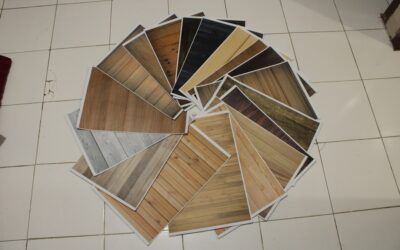
High-pressure laminate is made by bonding layers of kraft paper and a printed decorative layer under heat and pressure, then topping it with a clear protective layer. The result is a thin, rigid sheet that resists scratches, stains, and everyday wear. Because the decorative layer is printed, laminate comes in a vast range of looks, from solid colors to convincing wood grains, stone, and abstract patterns. It is glued to a substrate such as plywood or particleboard to form the finished surface.
Sizes and Finishes
Laminate sheets come in standard large formats sized to cover common surfaces with minimal seams. Typical sheets run several feet wide and eight to ten feet or more in length, so a single sheet often covers an entire countertop run. Thickness is modest, usually a small fraction of an inch, since the sheet relies on its substrate for rigidity.
Finishes are where laminate shines. Options include:
- Matte and satin: low-glare surfaces that hide fingerprints and minor scratches.
- Gloss: reflective and bright, dramatic but more prone to showing smudges.
- Textured: finishes that mimic the feel of wood grain or stone for added realism.
The combination of pattern and finish lets you match almost any design at a fraction of the cost of the real material.
Common Uses
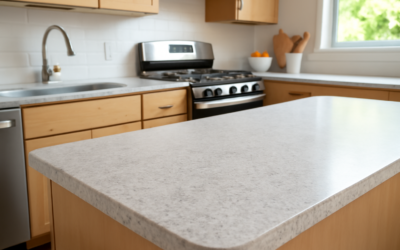
Formica laminate sheets are remarkably versatile around the home. Beyond kitchen countertops, they are used for bathroom vanities, desks and tabletops, cabinet and door faces, shelving, and accent walls. Their durability and easy cleaning also make them popular for laundry rooms, workshops, and high-traffic surfaces. Because the sheets are relatively light and workable, they suit both new builds and refacing projects that update tired surfaces without a full replacement.
How to Apply Laminate Sheets
Applying laminate is a doable DIY project with care and the right adhesive, typically contact cement. The general process:
- Cut the sheet slightly oversized using a laminate cutter, fine-tooth blade, or router, since the material chips easily.
- Prepare a clean, smooth, dry substrate free of dust and grease.
- Apply contact cement to both the substrate and the back of the laminate, then let it become tacky per the product directions.
- Because contact cement grabs instantly, use dowels or a slip sheet to position the laminate before pressing it down; once it touches, it does not move.
- Press firmly with a J-roller to ensure full contact and remove air pockets, working from the center outward.
- Trim the overhang flush with a router and a flush-trim bit, then file the edges smooth.
The two pitfalls are misalignment, because contact cement bonds on contact, and chipping during cutting and trimming. Work slowly and support the sheet well.
Pros and Trade-Offs
Laminate’s strengths are affordability, durability, low maintenance, and design variety. Its limitations are worth knowing too: it can be damaged by excessive heat, so never set a hot pan directly on it; deep scratches and chips are difficult to repair invisibly; and seams, while minimal with large sheets, are visible up close. For most kitchens and work surfaces, the value and practicality outweigh these trade-offs.
Choosing the Right Substrate
Laminate sheets are only as good as what they are bonded to, since the thin material relies entirely on its backing for rigidity and a flat, even surface. Cabinet-grade plywood and particleboard are the common substrates for countertops, with plywood offering better moisture resistance and screw holding, and particleboard giving a very flat, economical base. Whichever you use, the surface must be clean, dry, smooth, and free of any bumps or debris, because every imperfection telegraphs through the thin laminate once it is pressed down.
For areas near sinks or moisture, choose a moisture-resistant substrate and seal cut edges and seams carefully, since swelling of the core board is the most common cause of laminate failure. Plan your layout so seams fall in low-stress, less-visible areas, and back-laminate the underside of overhanging counters to balance the panel and prevent warping over time.
Repairing and Maintaining the Surface
Minor laminate damage can often be addressed without replacing the whole sheet. Small chips and scratches can be filled with a color-matched laminate repair paste, smoothed flush, and blended in. Lifting edges where the contact cement has released can sometimes be re-glued with seam adhesive and clamped until set. For burns, deep gouges, or large delaminated areas, however, the practical fix is replacing the affected sheet, since laminate cannot be sanded and refinished the way solid wood can.
Preventing damage is easier than repairing it. Always use a cutting board rather than knives directly on the surface, set hot pans on trivets, and wipe up standing water around seams promptly. These habits keep a laminate surface looking new and avoid the kinds of damage that are difficult to repair invisibly.
Cleaning and Care
Caring for a laminate surface is simple. Wipe it with a soft cloth and mild soapy water or a non-abrasive cleaner, and dry it to prevent water sitting in seams. Avoid abrasive pads, harsh scouring powders, and bleach, which can dull or discolor the finish over time. Always use a trivet or hot pad under hot cookware, and a cutting board rather than slicing directly on the surface, to keep it looking new.
Final Thoughts
Formica laminate sheets remain one of the best values in home surfaces, delivering durability and a huge range of looks for far less than stone or solid wood. Choose a pattern and finish that suits your space, take your time with contact cement and trimming during application, and treat the finished surface gently against heat and abrasion. Done right, a laminate surface looks great and holds up to daily life for many years.
Prefer to explore on your own?
See how new flooring looks in your actual room in seconds — free, no signup.
Try the free Floor Studio →