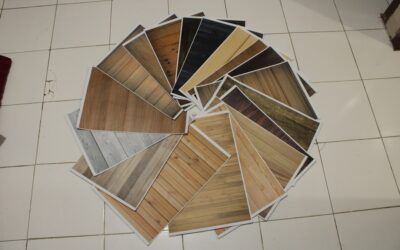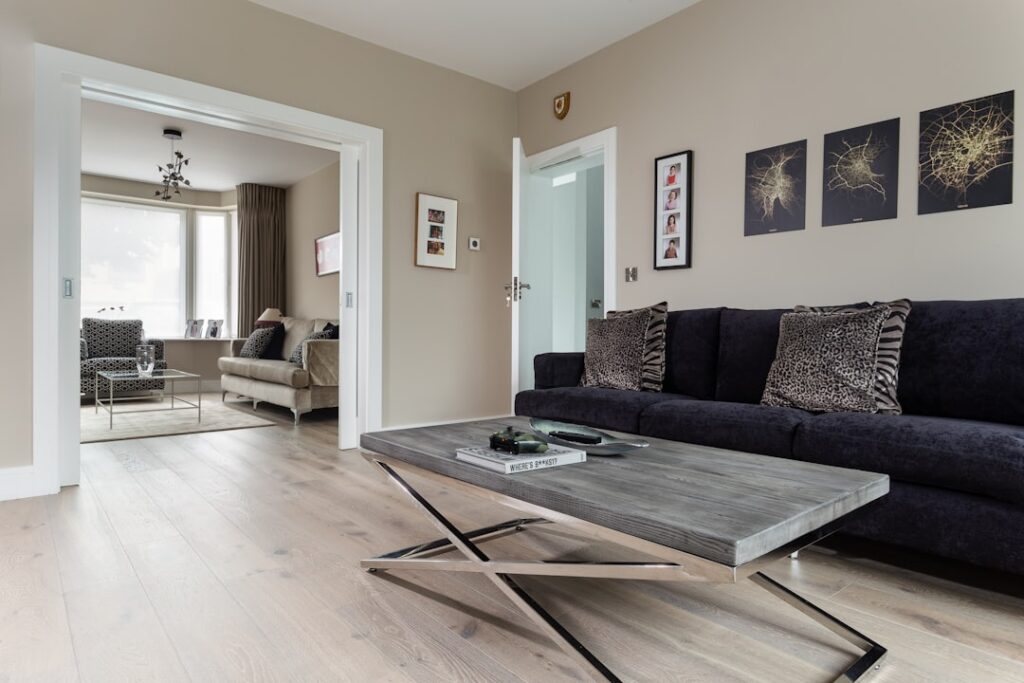
Few brand names are as woven into the history of laminate as Formica. Formica laminate flooring comes from the company that helped invent high-pressure laminate more than a century ago, so the name carries real heritage rather than marketing gloss. Today the Formica brand offers laminate flooring designed to mimic wood and stone with durable, scratch-resistant surfaces. Before you buy, it helps to understand what the brand actually makes, how its laminate performs, and where to verify the current lineup.
Part of our Countertops guide — explore the full guide →
I have worked with high-pressure laminate from several manufacturers. Here is an honest, accurate look at what the Formica name means for flooring and what to weigh before you commit.
- The Formica Brand and Its Heritage
- How Laminate Flooring Is Built
- Pros of Formica Laminate Flooring
- The Cons to Consider
- Where Formica Laminate Works Best
- Installation Tips
- How to Choose and Verify
- Understanding AC Ratings and Thickness
- Caring for a Laminate Floor
- Is Formica Laminate Flooring Right for You?
The Formica Brand and Its Heritage
Formica Group originated in 1913 and built its reputation on high-pressure laminate — the layered, resin-saturated surface material that became a household name for countertops and worktops. That same laminate technology underpins laminate flooring: a printed decorative layer fused to a core under heat and pressure, topped with a wear layer. Because the company pioneered the category, its flooring products draw on long manufacturing expertise.
It is worth noting that the brand is best known for surfacing laminate and worktops, and its flooring availability and specific collections vary by region and over time. For current product lines, exact specifications, and warranty terms, always check the official Formica website rather than relying on third-party claims.
How Laminate Flooring Is Built
Whatever the brand, quality laminate shares the same construction:
- Wear layer — a clear, tough overlay (often aluminum oxide) that resists scratches and fading.
- Decorative layer — a high-resolution printed image of wood, stone, or tile.
- Core — a dense fiberboard (HDF) that gives the plank rigidity and impact resistance.
- Backing — a balancing layer that resists moisture from below and keeps planks flat.
The thickness of the wear layer and the density of the core are the two specs that most determine how a laminate floor holds up. Higher AC ratings (AC3 for residential, AC4 to AC5 for commercial) indicate greater abrasion resistance.
Pros of Formica Laminate Flooring
- Brand heritage — laminate expertise dating back over a century.
- Scratch resistance — durable wear layers stand up to pets, kids, and traffic.
- Realistic looks — modern printing convincingly reproduces wood and stone.
- Click-lock installation — most laminate floats over the subfloor for a DIY-friendly install.
- Low maintenance — sweep and damp-mop; no sanding, sealing, or refinishing.
- Affordable — laminate generally costs far less than hardwood for a similar look.
The Cons to Consider
Laminate, regardless of brand, has limits. It is more water-sensitive than vinyl — standing water can seep into seams and swell the fiberboard core, so it is a weaker choice for bathrooms and laundry rooms unless the product is specifically rated water-resistant. It also cannot be refinished; once the wear layer is worn or chipped, the plank must be replaced.
Underfoot, laminate can feel harder and sound hollower than wood unless you install a quality underlayment. And while it looks like wood, it does not add the resale value or feel of genuine hardwood. Finally, because the Formica brand’s flooring offerings shift by market and over time, you may find availability inconsistent depending on where you shop — another reason to confirm current lines through official channels.
Where Formica Laminate Works Best
Laminate from any reputable maker suits living rooms, bedrooms, hallways, and home offices — dry, high-traffic spaces where you want a wood look without the price or upkeep of real hardwood. With water-resistant lines, kitchens become viable too. Avoid full bathrooms and below-grade rooms with humidity unless the specific product is rated for moisture.
Installation Tips
- Acclimate the planks in the room for 48 hours so they adjust to temperature and humidity.
- Prep the subfloor to be clean, flat within 1/8 inch over 6 feet, and dry.
- Lay underlayment for sound dampening and a softer feel; some planks include it pre-attached.
- Leave expansion gaps of about 1/4 inch at all walls to allow the floating floor to move.
- Stagger end joints by at least 6 to 12 inches for strength and a natural look.
How to Choose and Verify
Because the Formica name spans surfacing and flooring and its collections vary, do your homework before buying. Confirm the current product lines, AC rating, thickness, moisture rating, and warranty directly on the official Formica website, and compare against other established laminate brands for price and specs. Buy a sample, check the seam tightness on the click system, and read recent reviews for the specific collection you are considering.
Understanding AC Ratings and Thickness
When comparing any laminate, two specs cut through the marketing. The AC (Abrasion Class) rating measures how well the wear layer resists traffic and abrasion: AC1 and AC2 are for light residential use, AC3 covers normal household traffic, and AC4 to AC5 handle commercial or very busy homes. For a family with kids and pets, AC4 is a sensible target. The second spec is plank thickness, typically 7mm to 12mm; thicker planks feel more solid underfoot, dampen sound better, and bridge minor subfloor imperfections more forgivingly.
Pay attention to the edge treatment as well. Beveled or painted edges create the realistic look of individual planks and, on water-resistant products, help shed surface moisture away from the seams. Confirm these details on the official spec sheet rather than from a showroom display alone.
Caring for a Laminate Floor
Whatever brand you choose, laminate rewards a consistent, water-light cleaning routine. Sweep or vacuum (with the beater bar off) to clear grit, then damp-mop with a barely-moist microfiber pad and a laminate-specific cleaner. Never use a steam mop, a soaking wet mop, wax, or oil soap — heat and standing water swell the core, and film-leaving products dull the finish permanently. Wipe spills immediately, place felt pads under furniture, and use entry mats to trap dirt. Done right, laminate stays looking new for well over a decade with minimal effort, which is a big part of its appeal versus higher-maintenance hardwood.
Is Formica Laminate Flooring Right for You?
Formica laminate flooring carries the weight of a brand that helped create high-pressure laminate, and that heritage translates into durable, realistic, budget-friendly floors for dry living spaces. The category’s strengths — scratch resistance, easy installation, low maintenance, and a convincing wood look — are real, but so are its limits with water and its inability to be refinished. If you want an affordable, attractive floor for bedrooms, hallways, and living areas and you confirm the current specs and warranty through the official source, it is a sound choice. For wet rooms or a forever-home upgrade, look to waterproof vinyl or genuine hardwood instead.
Prefer to explore on your own?
See how new flooring looks in your actual room in seconds — free, no signup.
Try the free Floor Studio →