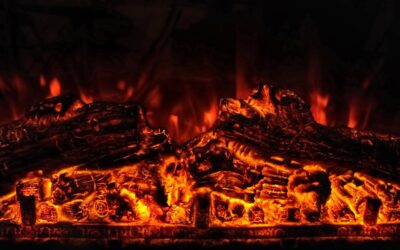
You can have the glow of a hearth and a proper mantel to hang stockings on without cutting a hole in your roof or paying a mason. A freestanding electric fireplace with mantel combines a plug-in flame-and-heat unit with a furniture-grade surround, delivering the look of a built-in fireplace as a single piece you simply set against a wall and plug into a standard 120-volt outlet. There is no venting, no gas line, and no permit, which is exactly why these have become the go-to for apartments, bedrooms, and rooms that never had a fireplace to begin with.
What You’re Actually Buying
A freestanding mantel-package fireplace is two components sold as one. The firebox is the insert that produces the LED or projected flame effect and the supplemental heat. The mantel is the wooden or MDF cabinet that frames the firebox and provides a display shelf on top and often trim, columns, and a hearth-style base.
- Firebox: Houses the flame technology, heating element, controls, and blower. Most draw 1,500 watts on high heat.
- Mantel surround: A finished cabinet in a color and style you choose, engineered to hold the firebox and display decor above.
- All-in-one design: Because they arrive matched, you avoid guessing whether an insert fits an opening, the two are built for each other.
Heat Output and How Rooms Respond
Nearly all plug-in electric fireplaces top out at 1,500 watts, which translates to roughly 5,000 BTUs and enough supplemental heat for about 400 square feet. That makes them a zone heater, warming the room you are in rather than the whole house.
Two practical points matter here. First, a 1,500-watt heater on a 120-volt circuit draws about 12.5 amps, so it should ideally be on its own 15-amp circuit and never run through a lightweight extension cord or power strip, plug it straight into a wall outlet. Second, the flame effect and the heater operate independently on most models, so you can enjoy the ambiance year-round and switch the heat on only when you want it.
Flame Technology: What Looks Real
Not all electric flames are created equal, and this is where price differences show up.
- LED reflection flames: The most common. LEDs shine onto a rotating rod and a reflective back panel to create dancing light. Quality ranges widely; better units add depth with a mirrored or logs-and-ember bed.
- Multi-color LED: Adjustable flame and ember-bed colors, from traditional orange to blue or violet, with brightness settings.
- Water-vapor (3D mist) flames: Premium fireboxes use ultrasonic mist lit by LEDs to mimic real flame and smoke astonishingly well, but these are pricier and usually not in the entry-level freestanding mantel range.
Choosing a Mantel Style
The surround is what makes the piece feel built-in, so match it to your room.
- Traditional: Detailed molding, raised panels, and columns in cherry, espresso, or oak finishes.
- Farmhouse/rustic: Barn-wood textures, distressed gray or white finishes, and simple lines.
- Modern: Clean rectangular surrounds in matte white, black, or gray, often with a linear firebox.
- Corner units: Angled backs that tuck into a room corner, ideal where wall space is limited.
Common mantel widths run 44 to 72 inches with shelf heights around 40 to 48 inches. Measure your wall and confirm the shelf can hold a television if you plan to mount or set one above, many are rated for a TV up to a stated weight and width.
Setup in Under an Hour
The appeal of a freestanding unit is how little it asks of you. Most arrive partly assembled.
- Assemble the mantel per the instructions, typically joining side panels to a top and base with cam locks and screws, 20 to 40 minutes.
- Slide in the firebox, securing it with the provided brackets so it sits flush in the opening.
- Position against a wall on a flat, level floor, keeping the required clearance (often a few inches) around the heat outlet.
- Plug into a wall outlet on a dedicated 15-amp circuit and test the flame and heat.
- Anti-tip anchor if the unit or your household with children calls for it, strapping the top to the wall.
Running Costs and Efficiency
Electric fireplaces are efficient in the sense that essentially all the electricity they draw becomes heat in the room, with no flue losses. At a national-average electricity rate of about 16 cents per kilowatt-hour, running the 1,500-watt heater full blast costs roughly 24 cents per hour, or about $1.90 over an 8-hour evening. Running only the flame effect with LEDs costs pennies, since the lighting draws very little.
As a zone heater, an electric fireplace can let you lower the central thermostat and warm just the room you occupy, which can offset some of its own running cost in a large or drafty home.
Safety and Placement Tips
These units run cooler than combustion fireplaces, but a few habits keep them safe.
- Plug directly into a wall receptacle; never use an extension cord or power strip with a 1,500-watt heater.
- Keep the heat vent unobstructed, curtains, furniture, and bedding should stay clear.
- Choose models with overheat auto-shutoff and a cool-touch glass front, standard on most reputable brands.
- Do not place directly on plush carpet that could block airflow at the base; a firm, level surface is best.
Comparing to Other Fireplace Options
A freestanding electric mantel unit is one of several ways to add a hearth, and understanding the alternatives clarifies where it fits.
| Type | Install cost | Notes |
|---|---|---|
| Freestanding electric w/ mantel | $300-$1,500 (unit) | Plug-in, no venting, movable |
| Electric insert/wall-mount | $150-$1,200 + finishing | Needs a wall or opening built out |
| Gas fireplace | $3,000-$8,000+ | Gas line, venting, permit |
| Wood-burning | $5,000-$15,000+ | Chimney, masonry, cleaning |
The freestanding electric unit is by far the lowest-commitment option. There’s no gas line to run, no chimney to build or clean, no permit to pull, and no combustion byproducts to vent. You also keep the flexibility to move it to another room or take it with you when you move, something no built-in fireplace offers. The trade-off is heat output: a plug-in electric heater is a room-sized zone heater, not a whole-house or primary heat source the way a large gas or wood unit can be.
Features Worth Paying For
As you shop, certain features genuinely improve daily use and are worth prioritizing.
- Remote and thermostat: A remote with an adjustable thermostat lets the unit cycle to hold a set temperature rather than running full blast.
- Adjustable flame brightness and color: More settings mean the ambiance suits both daytime and evening.
- Timer function: An auto-off timer is handy for bedrooms so the heat shuts down after you fall asleep.
- Realistic ember bed: A logs-and-glowing-ember bed sells the effect far better than a flat backlit panel.
- Cool-touch glass and overheat protection: Baseline safety features you should confirm are present.
- TV-rated mantel shelf: If you plan to place a television above, check the stated weight and width capacity.
Is It Right for Your Room?
A freestanding electric fireplace with mantel is the fastest, cleanest way to add both ambiance and a display mantel to a room with no existing hearth. It suits renters who cannot alter the walls, homeowners who want warmth without gas or wood, and anyone who likes the option of flame-only glow in summer. As long as you treat it as supplemental zone heat rather than a whole-house furnace, plug it into its own circuit, and pick a mantel style that fits your space, you get the cozy focal point of a fireplace with none of the construction, cost, or maintenance a real one demands. Look for a unit with a thermostat, adjustable flame settings, and a realistic ember bed, confirm the mantel shelf suits any television you plan to display, and you’ll have a piece that anchors the room in winter and still looks handsome with the heater off in summer. For the price of a nice piece of furniture, it’s one of the easiest upgrades to bring genuine warmth and character to a space that never had a hearth.