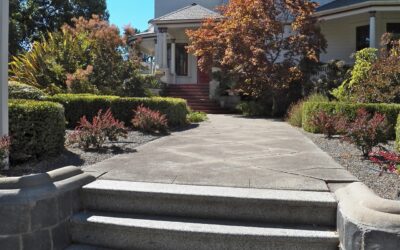
The path from the curb to your front door is the first thing every visitor experiences, and it quietly sets the tone for the entire home. Great front walkway paver ideas go beyond just laying stone; they use pattern, color, borders, and lighting to create a welcoming approach that lifts curb appeal and can even nudge up resale value. Whether your style leans traditional, modern, or cottage, these front walkway paver ideas will help you design a path that looks intentional and inviting. This guide walks through patterns, materials, shapes, and finishing touches worth stealing.
Classic Brick for Timeless Charm
You cannot go wrong with clay brick pavers for a traditional or colonial home. The warm red-brown color is fired all the way through, so it never fades, and it pairs beautifully with white trim, black shutters, and green landscaping.
Lay brick in a herringbone pattern for a rich, interlocking look that resists shifting, or a simple running bond for something cleaner. A soldier-course border, bricks set end to end along both edges, frames the path crisply and hides the cut ends of the field bricks. Brick develops character with age, and a moss-edged brick path reads as established and cared-for in a way brand-new concrete never quite matches.
Large-Format Pavers for Modern Homes
If your house has clean lines and a contemporary facade, oversized rectangular or square pavers create a sleek, architectural walkway. Think 12 by 24-inch or 24 by 24-inch concrete or natural stone slabs laid with tight or minimal joints for a smooth, monolithic look.
Set large pavers in a stack-bond grid for maximum modern impact, or float them as stepping pads with strips of gravel, grass, or ground cover between them for a floating-plank effect. Gray, charcoal, and buff tones suit modern palettes. The generous scale of large-format pavers makes a walkway feel high-end and keeps the joint lines minimal and uncluttered.
Play With Pattern and Texture
The laying pattern is where a walkway shows personality, and mixing them adds real interest. Consider these combinations:
- Herringbone field with a soldier border: The classic pairing, strong and handsome.
- Basketweave for cottage character: Pairs of pavers alternating direction for an old-world feel.
- Random ashlar with mixed sizes: Different paver sizes fit together for a natural-stone look.
- Circle or fan kits: A radial medallion set into the path creates a focal point at the door.
- Contrasting inlay: A band of darker pavers running down the center or as a border draws the eye toward the entry.
Even a simple, budget paver looks custom when you frame it with a contrasting border and choose a pattern with some movement.
Curves, Widening, and Landings
A gently curving path feels relaxed and natural, and it can make a short walk feel like more of a journey. A single graceful sweep reads far better than several tight wiggles, which look busy and force awkward cuts. Curves suit landscaped and cottage yards; straight paths suit formal, symmetrical facades.
One high-impact idea is to flare the walkway wider as it approaches the front door, creating a welcoming funnel. Better yet, widen it into a small paver landing at the entry, at least 5 by 5 feet, so guests have room to gather while the door opens. Widening the path where it meets the driveway or street also makes the transition feel generous rather than pinched.
Color and Blending
Color choice ties the walkway to your house. Pull a tone from your roof, brick, siding, or trim so the path feels connected rather than random. Warm tans and terracottas complement earth-toned and traditional homes, while cool grays and charcoals suit white, black, or modern exteriors.
Rather than a single flat color, choose a blended paver with subtle tonal variation, which reads as more natural and hides dirt and wear better than a solid hue. A two-tone scheme, using a darker paver for the border and a lighter blend for the field, adds definition and looks deliberately designed. Order sample pavers and set them out at your entry to judge the color in your own light before committing to a full pallet.
Natural Stone for Upscale Appeal
When budget allows, natural stone delivers a look that manufactured pavers only imitate. Bluestone offers a refined blue-gray with a slightly cleft texture perfect for traditional and craftsman homes. Travertine stays cooler underfoot and brings a soft, elegant cream tone popular for upscale entries. Irregular flagstone laid with planted joints creates a charming, organic cottage path.
Natural stone costs more, often $10 to $30 per square foot for materials, but the depth of color and the one-of-a-kind character justify it for a front entry that makes a strong first impression. Even a short run of real stone reads as a genuine investment in the home.
Stepping Stone and Gravel-Joint Paths
Not every front walkway has to be a solid continuous surface. Set large pavers or flagstones as individual stepping pads with gaps between them, and fill those gaps with pea gravel, decomposed granite, or a low ground cover like creeping thyme or Irish moss. The result is a softer, more organic path that suits cottage, craftsman, and naturalistic landscapes beautifully.
This approach also improves drainage, since rain percolates through the open joints rather than sheeting off a solid surface, which can help on sloped or drainage-sensitive lots. Space the pads at a comfortable stride, roughly 24 to 26 inches center to center, so people walk naturally without stretching or shuffling. Larger pads read more upscale than small ones, so favor generous 18 by 18-inch or bigger stones over tiny stepping stones that feel precarious. A gravel-joint path costs less in pavers than a fully covered walkway while delivering a distinctly charming, garden-path character.
Budgeting Your Paver Walkway
Knowing the numbers helps you plan a project that fits your wallet. Materials for concrete pavers typically run $3 to $6 per square foot, brick lands around $5 to $10, and natural stone climbs to $10 to $30. On top of the pavers you need base gravel, bedding sand, edge restraint, and polymeric joint sand, which together add a few dollars per square foot.
A do-it-yourself front walkway of about 60 to 80 square feet often costs $600 to $1,500 in materials, plus the rental of a plate compactor for a day. Hiring a professional to design and install the same walkway generally runs $15 to $30 per square foot installed, more for intricate patterns, curves, and premium stone. Because the front walkway is such a visible curb-appeal feature, it is one of the better places to invest in quality materials and proper base preparation, since a well-built path pays back in both daily enjoyment and resale impression. Get accurate measurements, add 10 percent for waste, and price out both the DIY and professional routes before deciding.
Lighting and Landscaping the Path
The finishing touches are what turn a paver path into a designed entry. Low-voltage path lights spaced every 6 to 8 feet add safety and a warm glow that makes the walkway inviting after dark; choose fixtures with a shielded downward cast to light the path without glare. Uplighting a specimen tree or the house facade nearby adds drama.
Flank the walkway with planting to soften the hardscape. Low boxwoods or ornamental grasses create a tidy edge, while seasonal flowers in the beds add color that changes through the year. Keep plantings set back so they do not overhang and narrow the usable path. Layer these lighting and landscape touches over a well-built paver walkway, and you get a front entry that is both beautiful and genuinely welcoming, exactly the first impression you want your home to make.