A muddy path worn into the grass between your patio and the garden is both an eyesore and a tripping hazard, yet it points to exactly where people want to walk. A well-built backyard walkway turns those natural traffic patterns into an attractive, durable feature that connects spaces, protects your lawn, and adds real value to your outdoor living area. The right material and design depend on your budget, your climate, and how much foot traffic the path will carry. Here is how to plan one that lasts.
Planning Your Walkway Route
Start by observing how you and your family actually move through the yard. The best path follows the routes people already take, the so-called desire lines, rather than forcing an awkward detour. Walk the route and mark it with a garden hose or spray paint to visualize the curve before you dig.
Decide on width based on use. A 24- to 30-inch path suits a single-file garden stroll, while a main walkway where two people walk side by side or you push a wheelbarrow should be 36 to 48 inches wide. Gentle curves feel more natural and inviting in a backyard than rigid straight lines.
Popular Walkway Materials
Material choice drives both appearance and cost. Each option has a clear trade-off between price, durability, and effort.
- Gravel or crushed stone: the most affordable at $1 to $3 per square foot, easy DIY, but needs edging and occasional replenishing.
- Concrete pavers: $8 to $15 per square foot installed, uniform, durable, and available in many styles.
- Natural flagstone: $15 to $30 per square foot, gorgeous and organic, with irregular shapes that suit informal gardens.
- Poured concrete: $6 to $12 per square foot, low maintenance and seamless, though it can crack in freeze-thaw climates.
- Brick: $10 to $20 per square foot, classic and timeless, but can settle unevenly over time.
- Stepping stones in grass or mulch: the cheapest casual option, ideal for low-traffic garden routes.
Gravel and Stepping Stone Paths
For a quick, budget-friendly project, gravel and stepping stones are hard to beat. A gravel path requires excavating 4 to 6 inches, laying landscape fabric to block weeds, adding a base of compacted crushed stone, and topping with pea gravel or decomposed granite. Solid edging, steel, stone, or pressure-treated lumber, keeps the gravel from migrating into the lawn.
Stepping stones set into the grass or a bed of mulch create an informal route with minimal labor. Space the stones to match a comfortable stride, roughly 24 inches center to center, and set each one slightly below the mowing height so a mower passes over without hitting them.
Paver and Flagstone Walkways
For a more finished, long-lasting path, pavers and flagstone are the go-to choices. Both rely on proper base preparation: excavate 6 to 8 inches, lay and compact 4 inches of gravel base, add an inch of leveling sand, then set the stones. Skipping the compacted base is the number-one reason walkways heave and shift.
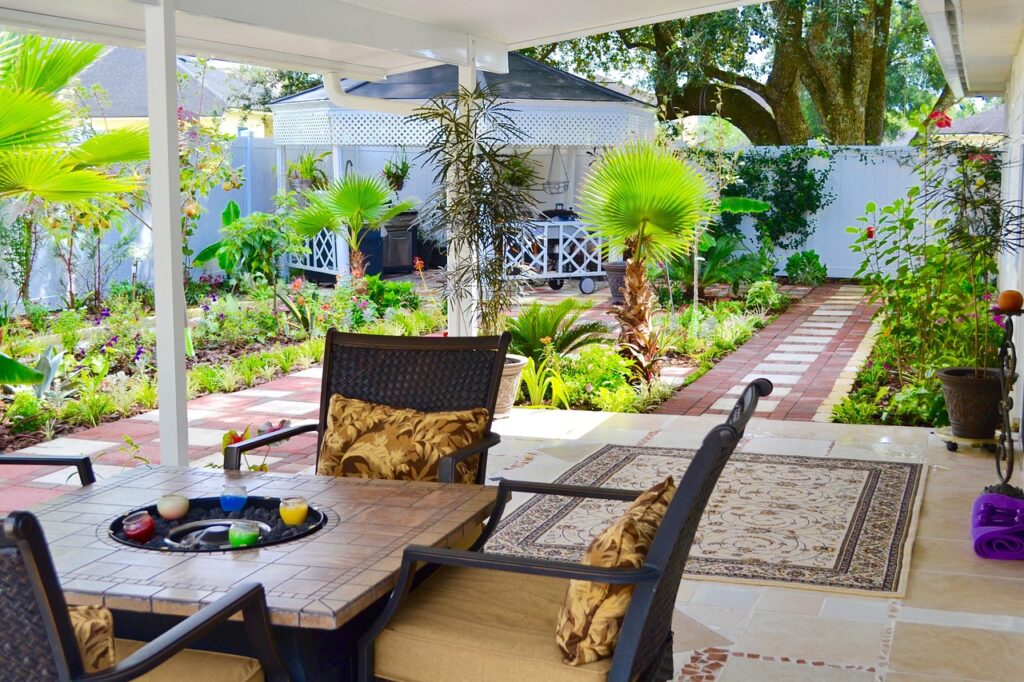
Concrete pavers click together in predictable patterns and are forgiving for first-timers. Natural flagstone, with its irregular shapes, takes more patience to fit like a puzzle but rewards you with an organic, high-end look. Sweep polymeric sand into the joints of either to lock the stones together and discourage weeds; it hardens when misted with water.
Design Ideas and Landscaping
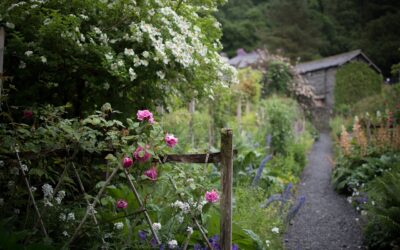
A walkway looks best when it integrates with the landscape rather than cutting through it. Flank the path with low border plants, creeping thyme, lavender, or hostas, to soften the edges and blur the line between path and garden. Low-voltage path lighting, $20 to $50 per fixture, makes the walkway safe and inviting after dark.
Play with materials for visual interest: a flagstone path with gravel filling the gaps, or pavers bordered by a contrasting brick soldier course. Mixing textures adds character while keeping costs down, since the more expensive material covers less area.
Maintenance and Longevity
Different surfaces ask for different upkeep. Gravel paths need a fresh top-up every couple of years and periodic raking to keep them level. Paver and flagstone walkways benefit from re-sanding the joints occasionally and pulling any weeds that sneak through. Sealing pavers every two to three years deepens their color and guards against stains.
In freeze-thaw regions, proper drainage is the key to longevity, slope the walkway slightly (about 1/4 inch per foot) away from the house so water sheds rather than pooling and heaving the surface in winter. With a solid base and routine care, a quality backyard walkway stays level and attractive for decades, repaying the upfront effort every time you stroll across your yard with dry, level footing.
DIY vs. Hiring a Professional
Many backyard walkways are well within DIY range, especially gravel paths, stepping stones, and modest paver runs. A confident homeowner can build a 30-foot gravel path in a weekend for the cost of materials, roughly $100 to $300, plus rental of a plate compactor at $50 to $90 a day to firm up the base.
Larger or more complex projects tilt toward hiring out. Long flagstone walkways, paths requiring significant grading or drainage work, and poured concrete with a finished surface all benefit from professional skill and equipment. Pros typically charge $10 to $25 per square foot installed depending on material. The biggest reason to hire help is base preparation and drainage, the unglamorous work that determines whether your path lasts decades or heaves in two winters.
Drainage and Climate Considerations
Water is the enemy of every walkway, so build drainage into the design from the start. Crown or slope the surface slightly, about 1/4 inch of fall per foot, so rainwater sheds to the sides instead of pooling on the path or running toward your foundation. A french drain or gravel trench alongside the walkway helps in low, soggy spots.
Climate shapes material choice too. In freeze-thaw regions, a deep, well-compacted gravel base below the frost-affected zone prevents heaving, and permeable options like gravel or open-jointed pavers handle expansion better than a rigid concrete slab. In hot, dry climates, concrete and flagstone hold up well but can get uncomfortably hot underfoot, so lighter colors and shaded routes are worth considering. Match your backyard walkway material and base depth to your local conditions, and it will serve you reliably year after year.