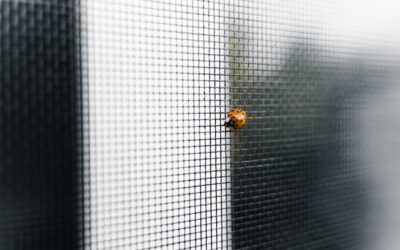
A garage door screen kit lets you throw open the garage, catch a breeze, and keep the bugs out, turning a hot, sealed box into a usable room. Whether you want a workshop with ventilation, a shaded hangout, or a bug-free spot for a home gym, a garage door screen kit is one of the cheapest ways to reclaim the biggest opening in your house without touching the garage door itself.
Part of our Garage Doors guide — explore the full guide →
The kits come in several styles with very different price points and convenience levels. Here is how to pick the right type, measure correctly, and install it so it actually holds up.
Why Screen Your Garage Opening
A standard single garage door is about 8 or 9 feet wide, and a double is 16 feet, an enormous opening once it is up. Screening it gives you airflow through the whole space, natural light, and an insect barrier all at once. People use screened garages as workshops, home gyms, playrooms for kids, shaded party space, and pet areas, all while the overhead door stays fully functional.
The appeal is the cost-to-benefit ratio. For anywhere from about $50 for a basic magnetic curtain to several hundred dollars for a motorized retractable system, you make the largest opening in the house comfortable to use in warm weather. Compare that to the cost of adding an actual room and the value is obvious.
The Main Types
Garage door screens fall into a few clear categories, each with trade-offs in convenience and price.
- Magnetic curtain screens: The budget option. A mesh curtain hangs across the opening and separates down the middle with magnets so you can walk through. Cheap and easy to hang, but flimsy in wind and less durable long term.
- Roll-up / retractable manual: A screen mounted in side tracks that you pull down and latch, then roll back up when done. Sturdier, with a walk-through zipper door, and it tucks away in a housing when not in use.
- Fixed slide-track screens: Panels that slide on a track across the opening, often with a hinged pass-through door. A middle ground between curtains and motorized systems.
- Motorized retractable screens: The premium choice. A powered screen drops and retracts with a switch or remote, often integrated near the garage door track. Cleanest look and easiest daily use, at the highest cost and with the most involved install.
Match the type to how often you will use it. A garage you screen for the occasional weekend suits a curtain; a garage you open every evening in summer justifies a retractable or motorized system.
Measure Before You Buy
Getting the size right is the whole game. Measure the width and height of the finished opening, not the door itself, and note whether you plan to mount inside the jambs or on the outer face of the opening. Standard sizes cover the common single door at 8 or 9 feet wide and 7 feet tall, and the common double door at 16 feet wide, but garages vary, so always measure.
Check the ceiling and the door track clearance too. The overhead door and its tracks occupy the ceiling of the opening, so a screen system has to work around them. Retractable housings need mounting room at the top or sides, and you must confirm the screen will not interfere with the garage door opening and closing. Measure twice, then order the size that fits your exact opening.
Installation Overview
Difficulty scales with the type. A magnetic curtain is a 30-minute job: mount the hook-and-loop strip or the provided fasteners around the top and sides of the opening and hang the mesh. Most homeowners handle this with a tape measure and a level.
Roll-up and slide-track kits take more care. You mount side tracks plumb to the jambs, attach the top housing or header, and adjust the tension and latches so the screen runs smoothly and seals at the bottom. Budget a couple of hours and a helper for a double-wide unit. Motorized systems are the most complex, often involving mounting a powered roller and, if hardwired, an electrical connection that should follow local code, this is where many owners bring in a professional installer.
Whatever the type, the two make-or-break details are a square, level mount and a bottom seal. If the tracks are out of plumb, the screen binds; if the bottom does not seal against the floor, bugs walk right under it. A bottom weather strip or weighted hem closes that gap.
What to Look For in a Quality Kit
Not all screens are built the same. Prioritize these features:
- Heavy mesh: A tighter, heavier fiberglass or polyester mesh resists tearing and stands up to wind better than lightweight curtain material. Pet-resistant mesh is worth it if you have dogs.
- A real walk-through door: A zippered or hinged pass-through lets you come and go without disturbing the whole screen. Magnetic center closures are convenient but leak bugs if the magnets are weak.
- Wind resistance: Side tracks, weighted hems, and quality fasteners keep the screen from billowing or blowing loose in a gust.
- UV-stable material: The screen faces sun all day; UV-treated mesh and hardware last far longer before going brittle.
Read reviews for how the kit handles wind and how the walk-through holds up after a season, because those are the two places cheap kits fail first.
Mounting hardware quality is easy to overlook but matters a lot. Look for metal tracks and brackets rather than thin plastic, and for fasteners appropriate to your opening, wood screws into a wood jamb, or masonry anchors into a block or brick surround. The header where a retractable housing mounts takes real stress every time you deploy and retract the screen, so it needs solid anchoring into framing, not just into drywall or trim. A kit that includes a bottom rail or weighted hem plus a proper astragal seal at the walk-through will keep bugs out far better than a plain curtain, which is the whole point of installing one.
Cost and Value
Pricing spreads widely by type. Expect roughly $30 to $80 for a magnetic curtain, $150 to $400 for a manual roll-up or slide-track system, and $600 to $2,000 or more for a motorized retractable screen, with professional installation adding to the higher-end options. A double-wide 16-foot opening costs more than a single across every category.
For most homeowners, a mid-range manual retractable kit hits the sweet spot: durable, has a proper walk-through, tucks away, and installs in an afternoon without an electrician. Reserve the motorized systems for those who will use the garage constantly and want the cleanest, most convenient operation.
Living With a Screened Garage
Once it is up, a few habits keep the space comfortable and the screen lasting. Because the garage floor is not sealed like a finished room, expect some dust and the occasional determined bug to find gaps, so keep the bottom seal snug and sweep the track area where debris collects. If you use the garage as a gym or hangout, a couple of box fans or a portable evaporative cooler paired with the open, screened door move a surprising amount of air on a hot afternoon.
Weather is the screen’s main enemy over time. Retract or roll up the screen during high winds and storms rather than leaving it deployed to billow and stress the fasteners. In regions with strong sun, the UV exposure slowly degrades cheaper mesh, so a screen that stores away when not in use lasts noticeably longer than one left down all season. When fall arrives, roll it up, clean off the summer’s dust and pollen, and store it dry to prevent mildew.
Consider security and privacy too. A screen is a bug barrier, not a security barrier, so it does not replace the locked garage door for anything valuable. Some homeowners add a simple privacy component or position the screen so the interior is less visible from the street. For pet owners, a heavier pet-grade mesh near the bottom resists claws and keeps a curious dog from pushing through the walk-through panel.
Getting It Right
Pick the type based on how often you will use the space, measure the actual opening and check the door-track clearance before ordering, and choose a kit with heavy mesh, a genuine walk-through door, and side tracks for wind. Mount it plumb and level, seal the bottom against the floor, and you will convert the largest opening in your home into a breezy, bug-free room for a fraction of what any addition would cost. A garage door screen kit is one of the highest-value warm-weather upgrades a homeowner can make in a single afternoon.