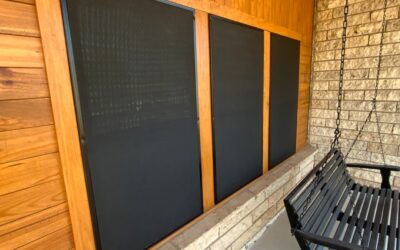
A torn window screen lets in every mosquito in the neighborhood, yet most homeowners live with the hole for a full season because they assume the fix requires a hardware store rebuild. A good window screen repair kit solves the problem in under 30 minutes for $10 to $25, and the right kit choice determines whether your repair lasts one summer or ten years. The catch is that “repair kit” covers two completely different products: small adhesive patch kits for pinholes and tears, and full re-screening kits that replace the entire mesh panel. Buy the wrong one and you will be back at the store by the weekend.
Part of our Windows & Doors guide — explore the full guide →
Patch Kits vs. Full Re-Screen Kits
Patch kits are the cheapest option, usually $5 to $10 for a pack of three to five adhesive squares. They work on tears up to about 2 inches and on clean punctures — the kind a dog’s claw or a thrown baseball leaves behind. Most use a fiberglass patch with a pressure-sensitive adhesive border, and the better ones (Prime-Line and Saint-Gobain ADFORS both make solid versions) cure in sunlight so the bond actually strengthens over the first week outdoors.
Full re-screen kits run $15 to $30 and include a roll of replacement mesh, a length of spline, and a spline roller tool. Choose this route when the tear exceeds 3 inches, when the mesh has gone brittle and powdery from UV exposure, or when the screen sags in its frame. Fiberglass mesh older than 10 to 12 years typically fails everywhere at once — patch one hole and the mesh beside the patch tears the next time you pop the screen out. Re-screening the whole panel takes 20 to 30 minutes once you have done one, and the material cost per window is roughly $4 to $7.
What a Complete Kit Should Include
Check the box contents before you buy, because manufacturers pad kits differently. A re-screening kit worth owning contains:
- Mesh roll — at least 36 inches wide and 84 inches long, enough for two standard double-hung window screens with trim waste
- Spline — a minimum of 25 feet of vinyl cord; many kits skimp with 15 feet, which covers barely one large screen
- Spline roller — a two-ended tool with a convex wheel for pressing mesh into the channel and a concave wheel for seating the spline
- Utility blade or trimming instructions — some kits include a small blade, though a fresh utility knife blade works better
Skip kits that substitute a plastic spline roller with molded wheels that do not spin. A fixed plastic wheel drags the spline instead of rolling it, which stretches the cord and leaves loose corners. The Prime-Line P 7505 roller with hardwood handle and steel wheels costs about $6 on its own and outperforms every bundled plastic tool I have used.
Mesh Material Matters More Than Brand
Standard fiberglass mesh (18-by-16 weave) is the default in nearly every kit and the right call for most windows. It is forgiving to install because it stretches slightly, it never creases permanently, and it costs the least. Expect a charcoal or silver-gray color; charcoal shows less glare and offers better outward visibility.
Aluminum mesh resists punctures better and will not sag over large spans, but it creases the moment you mishandle it, and a crease is permanent. Reserve aluminum for high-traffic doors rather than window screens. If pets are your problem, look for a kit with pet-resistant polyester screen — it is roughly seven times stronger than standard fiberglass and shrugs off cat claws. Phifer PetScreen is the reference product here; a 36-inch-by-84-inch roll runs about $20, so a pet-grade kit will cost double a standard one. Solar screening (Phifer SunTex and similar) blocks 65 to 90 percent of solar heat gain and makes sense on west-facing windows in hot climates, though it darkens the view noticeably.
Get the Spline Size Right
Spline diameter is the detail that ruins more repairs than anything else. Window screen channels typically take 0.125-inch to 0.140-inch spline, while patio door screens often use 0.160-inch or larger. Kits ship with one “universal” size — usually 0.140 inch — that fits many frames but not all. Before buying, pry a short section of old spline out of your frame with an awl and measure it, or bring the piece to the store. Reusing old spline is tempting but rarely works; vinyl shrinks and hardens with age, and old spline that re-seats loosely will let the mesh pull free on a windy day. When switching to thicker pet screen, drop one spline size smaller than the channel normally takes, because the heavier mesh occupies more of the groove.
How to Judge Kit Quality on the Shelf
Three quick checks separate a usable kit from shelf filler. First, unroll a corner of the mesh through the packaging window if you can see it — quality fiberglass mesh has a uniform weave with no thin spots or distorted rows. Second, flex the spline; it should bend around your finger without kinking or showing white stress marks. Brittle spline snaps at the corners during installation. Third, spin the roller wheels. They should rotate freely on their axle pins.
Brand-wise, Prime-Line, Saint-Gobain ADFORS, Phifer, and M-D Building Products dominate the category, and all four make dependable kits in the $12 to $25 range. Store-brand kits at big-box retailers are frequently rebranded versions of these same products, so a $9 house-brand kit is often a fine buy — apply the same three shelf checks and you will know.
Using the Kit: A 20-Minute Walkthrough
Remove the screen and lay it on a flat table or a sheet of plywood. Pry out the old spline starting at a corner, then lift away the old mesh. Cut new mesh with 1 inch of overhang on all four sides. Starting on a long side, use the convex roller wheel to press the mesh gently into the channel, then follow with the concave wheel to drive the spline over it. Work one side at a time — long side, then the opposite long side while pulling the mesh drum-tight by hand, then the two short sides. Keep tension firm but not aggressive; over-stretching fiberglass bows the frame rails inward on lightweight aluminum frames. Finish by trimming the excess mesh with a utility knife angled against the outside edge of the spline channel, slicing away from the new screen so a slip cannot cut it.
For patch kits, the process is simpler: trim the tear’s loose strands, clean the area with rubbing alcohol, and press the patch on with the mesh supported from behind by your palm or a book. Give adhesive patches 24 hours before flexing the screen.
Mistakes That Waste a Perfectly Good Kit
Most failed repairs come down to four avoidable errors. Working on carpet or grass is the first — the mesh needs a hard, flat backing surface or the spline never seats to full depth, and the screen loosens within weeks. Second is cutting the mesh flush with the frame before splining; you need that 1-inch overhang to grip and tension as you roll, and trimming happens last, never first. Third is rolling all four sides loosely and then trying to “tighten up” afterward — tension comes from the sequence (opposite sides in pairs), and there is no fixing a slack panel except pulling the spline and starting over. Fourth is forcing spline around corners with the roller wheel, which slices the mesh at exactly the point of highest stress; corners always get pressed in with a screwdriver tip. None of these mistakes costs you the kit, fortunately. Fiberglass mesh is cheap enough that a botched first attempt is simply the practice run, and nearly everyone’s second screen comes out tight.
When a Kit Is the Wrong Answer
No repair kit fixes a bent frame. If the aluminum rails are bowed more than about 1/4 inch or the corner joints have separated, new mesh will never sit tight, and you are better off buying a frame kit ($15 to $25 with corners and rails cut to size) or ordering a complete replacement screen from a local glass shop for $25 to $50. Likewise, screens wider than 48 inches benefit from professional re-screening with a tensioning table — DIY installs on oversized panels tend to sag within a year. For everything else, which is the vast majority of household screen damage, a well-chosen kit plus a careful half hour gets you a screen that looks factory-fresh and keeps the bugs where they belong.