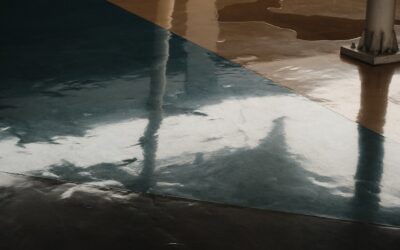
Epoxy transforms a dull gray slab into a showroom-quality floor, but the color and flake choice you make determines whether that floor still looks great five years and countless tire tracks later. Choosing among the many garage floor epoxy colors is about far more than picking a shade you like; it’s about how well the finish hides dirt and tire marks, how much it brightens the space, and whether it holds up to hot tires and dropped tools. Get the color and flake blend right and the floor practically cleans itself.
Part of our Epoxy, Concrete & Garage Floors guide — explore the full guide →
This guide covers the popular color families, why decorative flakes matter as much as the base color, how metallics differ, and the practical considerations that separate a floor you love from one you regret.
- Why Color Choice Really Matters
- Popular Solid Base Colors
- Decorative Flakes: The Real Game-Changer
- Full-Flake vs. Partial-Flake Coverage
- Metallic Epoxy: A Different Look Entirely
- How Color Affects Brightness and Heat
- Matching Color to Your Space
- Adding Borders and Custom Designs
- How Color Choice Affects Maintenance
- Making Your Final Choice
Why Color Choice Really Matters
Garage floors take abuse that living-room floors never see: tire marks, oil drips, road salt, and dropped tools. Color plays a surprisingly practical role in managing all of it. A medium tone with a flake blend hides dirt and imperfections far better than a solid, dark, glossy color that shows every footprint and speck of dust.
Lighter colors, meanwhile, dramatically brighten a garage by reflecting overhead light, turning a dim workspace into a bright, usable room. So your color decision balances looks, light, and how much cleaning you’re willing to do.
Popular Solid Base Colors
Solid-color epoxy gives a clean, uniform look and serves as the base coat under decorative flakes. The most common choices:
- Gray: The default and most popular, from light dove to slate. Hides dust and reads neutral and modern.
- Tan and beige: Warm, dirt-forgiving tones that suit traditional homes.
- Blue: A bold, clean look popular in workshops and enthusiast garages.
- Black or charcoal: Dramatic and sleek, but shows dust and lint quickly.
- White or light gray: Maximizes brightness but demands frequent cleaning.
Gray remains the safe, versatile winner for most homeowners because it hides the widest range of everyday grime.
Decorative Flakes: The Real Game-Changer
Most quality epoxy floors aren’t a single flat color; they use color flakes, also called chips or broadcast flakes, sprinkled onto the wet base coat. These vinyl flakes do three jobs at once: they add visual texture and depth, they hide dirt and slab imperfections, and they provide subtle slip resistance.
Flake blends are sold by name and combine several colors. A typical blend might mix gray, black, white, and a hint of tan. The result is a speckled, terrazzo-like surface that camouflages tire marks and dust far better than any solid color. This is why professional installers almost always recommend a flake floor over plain epoxy for a garage.
Choosing a Flake Blend
Popular blends include “Domino” (black, gray, and white), “Coffee” (browns and tans), and “Cabin” or earth-tone mixes. Match the blend’s dominant color to your walls and cabinets, and lean toward blends with some contrast, since a busy blend hides dirt best.
Full-Flake vs. Partial-Flake Coverage
How densely you broadcast the flakes changes both look and cost:
- Partial broadcast: Flakes are scattered lightly, letting the base color show through. Cheaper on materials and a more subtle look.
- Full broadcast: Flakes are applied until they completely cover the base, then excess is scraped off and the floor is topcoated. This gives the richest texture, best dirt-hiding, and a true commercial-grade appearance.
Full broadcast uses more flakes and costs a bit more, but it delivers the most durable, best-looking, and easiest-to-maintain result.
Metallic Epoxy: A Different Look Entirely
Metallic epoxy uses reflective pigments that swirl during application to create a three-dimensional, marbled effect resembling flowing lava, water, or polished stone. Colors range from silver and copper to deep blue and black, and no two floors ever look identical.
Metallics create a stunning, high-end showpiece, but they’re less forgiving in a working garage. The smooth, glossy surface shows dust and can be slippery when wet unless an anti-slip additive is mixed into the topcoat. They also cost more and demand skilled installation. Metallics shine in showroom-style or display garages more than in a shop where you change oil.
How Color Affects Brightness and Heat
Light-colored epoxy reflects overhead lighting and can make a garage feel noticeably brighter, which is a real advantage if you use the space as a workshop. Dark colors absorb light and can make an already dim garage feel cave-like unless you add more fixtures.
Color also affects perceived cleanliness rather than temperature in most garages. Since garages aren’t in direct sun, heat absorption matters less than in a driveway, so choose primarily for light and dirt-hiding rather than worrying about a dark floor getting hot.
Matching Color to Your Space
Coordinate the floor with what’s already in the garage. If you have white or gray cabinets and slatwall, a gray flake blend ties everything together. For a warmer, homier feel, tan and coffee blends complement beige walls. Enthusiasts often pick a blend that nods to a favorite car or team color as an accent.
A safe approach for resale and versatility is a neutral gray or tan flake blend, which looks intentional and appeals to almost any buyer. Save bold metallics and vivid solids for a garage you’re personalizing for yourself.
Think about how the light in your garage will render the color, too. Older garages lit by a single incandescent bulb make everything look warmer and dimmer, while newer LED shop lights render colors closer to daylight. A gray that looks cool and crisp under LED can read almost beige under warm bulbs, so consider upgrading your lighting alongside the floor if you want the color to look its best.
Adding Borders and Custom Designs
Color choice doesn’t stop at a single blend. Many homeowners elevate the look with a contrasting border around the perimeter, framing the floor the way trim frames a room. A darker border against a lighter flake field defines the space and hides the transition where the floor meets the wall.
You can go further with custom inlays: a logo, a racing stripe, or a checkered pattern at the entry. These are created by masking off areas and applying different flake colors in stages, and while they add labor and cost, they turn a functional floor into a personalized showpiece. If you’re hiring a pro, ask to see photos of their custom work, since clean lines on a border or inlay take real skill. For a DIY project, keep the first floor simple and save the intricate designs for once you’ve learned how the flakes and topcoat behave.
How Color Choice Affects Maintenance
The practical reality of living with an epoxy floor comes down to how much cleaning your color demands. This is where the decision pays off or punishes you daily:
- Medium flake blends: The easiest to live with, hiding dust, tire marks, and the occasional oil drip between cleanings.
- Solid dark colors: Show every speck of dust, lint, and footprint, demanding frequent sweeping to look their best.
- Solid light colors: Brighten the space but reveal dirt and stains quickly, needing regular mopping.
- Metallics: Their glossy surface highlights dust and shoe scuffs, so they suit low-traffic display garages more than working shops.
Regardless of color, all epoxy floors clean easily with a dust mop and occasional damp mopping, since the non-porous surface resists staining. But if you want a floor that looks clean with minimal effort in a busy garage, a medium-toned flake blend is genuinely the low-maintenance champion. The color you pick determines how often you’ll be sweeping to keep it looking sharp.
Making Your Final Choice
Before committing, order sample chips or a small kit and view the colors under your garage’s actual lighting, since fluorescent and LED bulbs shift how flakes read. Remember that a flake blend hides dirt best, a lighter base brightens the room, and full-broadcast coverage lasts longest and cleans easiest.
With those priorities in mind, the right garage floor epoxy colors turn a stained, cracked slab into a bright, durable, professional-looking floor that shrugs off tire marks and stays looking sharp for a decade or more.
Prefer to explore on your own?
See how new flooring looks in your actual room in seconds — free, no signup.
Try the free Floor Studio →