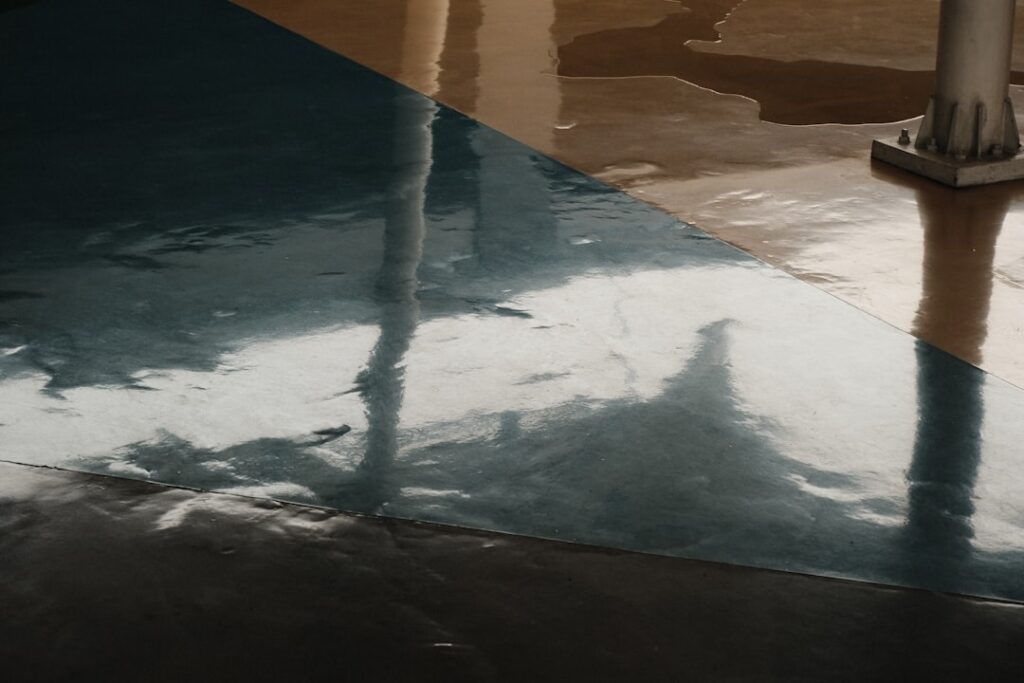
Choosing among epoxy floor paint colors is about far more than picking a shade you like, because on a garage or basement floor the color determines how well the surface hides dirt, disguises stains, and holds up visually over years of hard use. A gorgeous solid black floor looks stunning the day it cures and shows every speck of dust, tire mark, and drop of oil by the end of the week. The smartest color choices balance appearance with the practical reality of what the floor endures.
Part of our Epoxy, Concrete & Garage Floors guide — explore the full guide →
Epoxy coatings come in solid colors, decorative flake blends, and dramatic metallic finishes, each with different looks, maintenance demands, and price points. This guide walks through every category so you can choose a color and finish that stays looking sharp long after the novelty wears off.
Why Color Choice Matters More on Floors
On a wall, color is purely aesthetic, but on a floor it is functional. A garage or basement floor collects dust, dirt, road grime, oil drips, and scuffs, and the color you choose decides how visible all of that will be. This single factor should drive your decision more than any trend or personal color preference.
Very light colors like white and pale gray show every bit of dirt and every tire mark, while very dark colors like solid black show dust and lint just as badly, only in reverse. The sweet spot for a low-maintenance floor is a medium-toned color or, better yet, a multi-tone flake blend that camouflages debris between cleanings. Keep this principle in mind as you weigh the options below.
Solid Color Epoxy
Solid color epoxy is the simplest and most affordable option, coating the floor in one uniform shade. It gives a clean, industrial look and is the least expensive route, but the color choice makes a big difference in how practical the result is.
- Medium and battleship gray: the most popular solid color because it hides dust and dirt well and pairs with anything
- Tan and beige: warm neutrals that disguise dust and light debris nicely
- Blue and green: bolder choices for a distinctive garage or workshop, though they show dust more than gray
- White and light colors: brighten a space dramatically but demand frequent cleaning to look their best
- Black and dark charcoal: striking and modern, but show dust, lint, and footprints readily
For most homeowners who want a solid color with minimal upkeep, a medium gray or tan is the practical winner. If you love the look of a dark or light floor, go in knowing it will need more frequent sweeping and mopping to stay sharp.
Decorative Flake Systems
Flake, or chip, epoxy systems are the most popular choice for residential garages, and for good reason. After the colored base coat goes down, decorative vinyl flakes are broadcast onto the wet epoxy, then sealed under a clear topcoat. The result is a multi-tone, speckled surface that looks like polished stone and, crucially, hides dirt exceptionally well.
The magic of flake floors is that the multi-color speckling camouflages dust, small debris, and minor imperfections between cleanings, making them the lowest-maintenance option for appearance. Flake blends come in countless color combinations, from subtle grays and tans to bold mixes with blue, red, or black accents. You control both the base color and the flake blend, and you can even adjust the flake density from a light scatter to full coverage that completely conceals the base. The added texture also improves slip resistance, a real benefit on a garage floor that gets wet.
Metallic Epoxy Finishes
For a truly dramatic, high-end look, metallic epoxy is the showpiece option. Metallic pigments are mixed into the clear epoxy and manipulated as it cures to create swirling, three-dimensional effects that resemble molten metal, marble, or flowing water. No two metallic floors are ever identical, and the depth and movement are genuinely striking.
Popular metallic colors include silver and pewter for a sleek modern look, rich copper and bronze for warmth, and deep blues and blacks for a dramatic, glossy showroom feel. Metallic floors are more expensive and require skilled application to achieve the swirled effect, so they are more common in finished basements, showrooms, and man caves than in hardworking garages. They also show dust and require more upkeep to maintain their mirror-like shine, so weigh the wow factor against the maintenance.
Matching Color to the Room
Where the floor lives should influence your color choice. A working garage where you park cars, do projects, and track in dirt is best served by a medium-tone flake system that hides the inevitable mess. A finished basement, home gym, or showroom-style garage where appearance is the priority can justify a metallic finish or a bolder solid color, since it sees cleaner use.
Consider the surroundings too. A gray flake floor complements almost any garage door and cabinet color, while a bold blue or red should coordinate with your storage and wall colors rather than clash. Lighter floors make a dim basement or garage feel brighter and larger, a real consideration if your space lacks windows, as long as you accept the extra cleaning that lighter colors require.
Finish Sheen and Add-Ons
Beyond color, the clear topcoat’s sheen and additives affect both looks and safety. A high-gloss topcoat maximizes shine and depth, making colors pop and metallics gleam, but it also shows dust and can be slippery when wet. A satin or matte topcoat tones down the shine, hides dust better, and gives a more subtle, contemporary look.
For any floor that gets wet, tires dripping snowmelt, a hose-down cleaning, an anti-slip additive mixed into the topcoat is worth including. It adds fine texture that improves traction with almost no change to the color or appearance. Flake floors already have some built-in grip from their texture, but a smooth solid or metallic floor benefits significantly from an anti-slip additive.
Getting the Color Right Before You Commit
Color samples on a chart never look quite like the finished floor, so take steps to preview your choice. Many epoxy suppliers offer physical sample boards showing the actual base color and flake blend cured over epoxy, which represent the real result far better than a printed swatch. Request or buy one before committing.
Look at the sample in your actual space under your real lighting, both natural and the overhead fixtures, since garage and basement lighting is often harsh and can shift how colors read. View it on the floor rather than held at eye level, and imagine how it will look with dust and use, not just pristine. This small effort prevents the disappointment of a floor that looked great on a chart but wrong in the room.
How Color Interacts With Durability and Prep
It is worth understanding that color and long-term appearance are tied to more than the pigment itself; they depend heavily on the coating system and the surface prep beneath it. A true epoxy system with a proper clear topcoat holds its color far longer than a cheap single-part epoxy paint, which can yellow and fade under UV exposure, especially near a garage door that lets in sunlight. If your floor gets direct sun, choose a system with a UV-stable polyurethane or polyaspartic topcoat to keep the color from ambering over time.
Surface preparation also affects how the color reads and lasts. Epoxy must bond to a clean, profiled concrete surface, which means grinding or acid-etching the slab and ensuring it is fully dry and free of oil. A floor applied over poorly prepped concrete will peel, and once chips of colored coating lift away, the exposed gray concrete underneath makes even a beautiful color look shabby. The best color choice in the world cannot survive bad prep.
Consider moisture testing before committing, particularly in basements. Concrete that wicks moisture from below can cause the coating to delaminate, and no color or topcoat will hide the resulting bubbles and peeling. A simple plastic-sheet moisture test, taping a square of plastic to the slab overnight and checking for condensation, tells you whether your floor is a good candidate. Getting the foundation right ensures the color you carefully selected actually stays looking sharp for the full life of the coating.
The Bottom Line
The best epoxy floor paint colors balance the look you want with the maintenance you are willing to do. Medium grays and tans, and especially multi-tone flake blends, hide dirt best and stay looking sharp with minimal effort, making them the smart choice for hardworking garages. Metallic finishes and bold or light solid colors deliver stunning results for cleaner, showcase spaces where appearance leads.
Match the color and finish to how the room is actually used, add an anti-slip topcoat where moisture is a factor, and preview a real cured sample in your own light before you commit. Choose wisely and an epoxy floor rewards you with years of durable, attractive service that shrugs off everything a garage or basement can throw at it.
Prefer to explore on your own?
See how new flooring looks in your actual room in seconds — free, no signup.
Try the free Floor Studio →