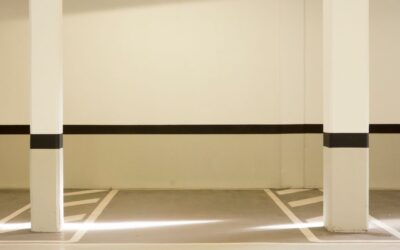
The garage is the one room most people leave as bare, stained concrete, then wonder why it always looks like a junk space. Garage flooring design changes that completely, turning a dusty slab into a finished room that resists oil, hides wear, and even raises your home’s appeal. Whether you want a glossy showroom look, a snap-together tile pattern, or a budget-friendly mat you can roll out in an afternoon, the options today are far better than the gray concrete you are standing on now. Here are the leading designs and what each costs.
Part of our Epoxy, Concrete & Garage Floors guide — explore the full guide →
- Why Garage Floor Design Is Worth the Effort
- Epoxy and Coating Designs
- Interlocking Tile Designs
- Roll-Out Mats and Budget Options
- Choosing Colors and Patterns
- Matching Design to How You Use the Garage
- Adding Function to the Design
- DIY Versus Professional Installation
- Getting a Durable, Great-Looking Result
Why Garage Floor Design Is Worth the Effort
Bare concrete dusts, stains, and cracks, and it makes the whole garage feel unfinished. A designed floor seals the slab against oil and chemicals, brightens the space, and makes cleanup as simple as a quick mop or sweep.
Beyond function, a finished garage floor adds real visual appeal. For homeowners who use the garage as a workshop, gym, or hobby space, the right design transforms it from storage overflow into a room they actually enjoy using.

If you’re running out of room even with a clean garage floor, a backyard shed takes the overflow — seasonal gear, tools, lawn equipment. And if you’re parking outside while the garage doubles as a workshop, a carport keeps your car covered without needing a second garage.
We may earn a commission when you purchase through our links.
Epoxy and Coating Designs
Epoxy is the most popular garage floor upgrade, and it offers genuine design flexibility. The coating bonds to prepared concrete and comes in solid colors, decorative flake blends, and dramatic metallic finishes.
- Flake or chip systems: Multicolor vinyl flakes add traction and a speckled, professional look; $5 to $9 per sq ft installed.
- Metallic epoxy: Swirled, three-dimensional finishes for a high-end showroom feel; $8 to $15 per sq ft installed.
- Solid-color epoxy: Clean and simple, often in gray, tan, or blue; $3 to $7 per sq ft installed.
- Polyaspartic topcoats: Added over epoxy for faster curing and better UV resistance.
Interlocking Tile Designs
For homeowners who want a DIY-friendly option with pattern flexibility, interlocking tiles are hard to beat. These rigid PVC or flexible rubber tiles snap together over the existing slab without adhesive, and they can be lifted and rearranged.
The design appeal is the checkerboard and racing-stripe patterns you can create by mixing colors. Tiles also tolerate minor slab cracks and moisture better than coatings, since they simply float on top. Expect $3 to $8 per square foot, with installation possible in a weekend.
Roll-Out Mats and Budget Options
The fastest, cheapest upgrade is a roll-out garage mat. These thick vinyl sheets unroll directly over concrete, instantly covering stains and protecting against drips. They come in diamond-plate, coin, and textured patterns.
At roughly $1.50 to $3 per square foot, mats are the budget choice and the most renter-friendly, since nothing is permanent. They will not last as long as epoxy or tile, but they deliver an immediate visual improvement with zero prep work.
Choosing Colors and Patterns
Design is not just material; it is how you use color and layout. Lighter colors brighten a dim garage and make it feel larger, while darker tones hide dirt and tire marks. Flake blends in gray and tan are forgiving and broadly appealing.
For a custom touch, many homeowners add a contrasting border, a center medallion, or racing stripes using tiles or epoxy flakes. Coordinating the floor color with your cabinets and wall organization ties the whole garage together into a deliberate, finished look.
Matching Design to How You Use the Garage
The best design depends on the garage’s role. A workshop benefits from a flake or quartz epoxy with strong traction and chemical resistance. A home gym pairs well with rubber tiles or mats that cushion dropped weights.
If the garage doubles as an entertaining or showroom space, metallic epoxy delivers the wow factor. For a simple, clean parking garage, a flake system hits the sweet spot of durability, looks, and value that most homeowners are after.
Adding Function to the Design
The best garage floor designs do more than look good; they solve practical problems. Slip resistance matters in a space that sees wet boots, snow melt, and the occasional spill, so flake and quartz textures earn their keep. For workshops, a coating that resists oil, brake fluid, and solvents keeps the floor looking clean despite messy projects.
Lighting and color work together here. A light-colored floor reflects overhead light and makes a dim garage feel brighter and larger, which is a real benefit if you work out there after dark. Coordinating the floor with overhead lighting and wall storage turns the garage into a space that functions as well as it shows.
DIY Versus Professional Installation
Some garage flooring designs suit a weekend warrior, while others reward hiring a pro. Roll-out mats and interlocking tiles are firmly in DIY territory, since they require little more than a clean slab and basic tools. Most homeowners can finish a two-car garage in a single weekend.
Epoxy and polyaspartic coatings are a different story. They demand diamond grinding, precise mixing, and careful timing between coats, and mistakes show permanently. DIY epoxy kits exist and cost less, but professional installs last longer because of superior surface prep. If you want a metallic or showroom finish, hiring an experienced installer is almost always the better value.
Getting a Durable, Great-Looking Result
Whatever style you choose, durability starts with the surface beneath. Coatings demand thorough grinding and clean, crack-free concrete, while tiles and mats are far more forgiving of an imperfect slab. Match the garage flooring design to your budget, your slab condition, and how you actually use the space, and you end up with a floor that looks sharp, cleans easily, and holds up to everything a garage throws at it.
It also helps to think about resale and long-term value when choosing a design. A clean, finished garage floor signals to buyers that the home has been well cared for, and it can be a small but memorable detail during a showing. Even if you are not selling soon, the daily benefit of a bright, easy-to-clean garage that resists stains is hard to overstate. Start by assessing your slab honestly, set a realistic budget, and pick the system that fits how you live. Whether that is a weekend mat install or a professionally applied metallic epoxy, the upgrade pays you back every time you pull into a garage that finally looks finished.