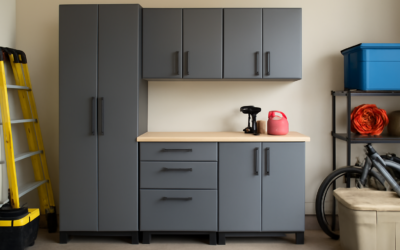
A garage overrun with plastic bins and leaning rakes wastes the single most valuable square footage most homes have, and a proper garage storage cabinet system is the fastest way to reclaim it. The right cabinets get tools, chemicals, and seasonal gear off the floor and behind doors, turning chaos into a workshop you actually want to use. But cabinet quality ranges wildly, from flimsy particleboard boxes to welded steel built to hold an engine block, so knowing what separates them protects your money and your back.
Part of our Kitchen Remodeling guide — explore the full guide →
- Why Cabinets Beat Open Shelving
- Material Choices That Determine Longevity
- Wall-Mounted Versus Floor-Standing
- Planning Your Layout
- Load Capacity and Countertops
- Modular Systems and Expandability
- Cost Expectations
- Installation Tips for a Solid Result
- Accessories That Multiply Capacity
- Climate Control and Moisture Protection
- Organizing the Interior for Real Efficiency
- Safety and Anchoring Considerations
- The Bottom Line
Why Cabinets Beat Open Shelving
Open shelves are cheap, but everything on them collects dust, invites clutter, and looks messy. Enclosed cabinets hide contents behind doors, keep dust and pests off your gear, and give the garage a finished, organized appearance. Lockable doors also secure power tools, chemicals, and anything you want out of a child’s reach.
Cabinets also protect items from the garage’s temperature swings and humidity better than open racks. Paint, adhesives, and electronics fare better in an enclosed space, and a closed cabinet face resists the grime that settles on exposed shelving in a working garage.
Material Choices That Determine Longevity
The material is the single biggest factor in how long your cabinets last and what they can hold. Here’s how the common options stack up.
Steel Cabinets
Powder-coated steel is the gold standard for a working garage. Welded steel units resist dents, moisture, and heavy loads, with quality models holding 200 to 1,000 pounds per cabinet. They cost more but shrug off decades of abuse. Look for 24-gauge or heavier steel and fully welded frames rather than bolt-together kits.
MDF and Melamine
Engineered wood cabinets with a melamine coating offer a clean, furniture-like look at a mid-range price. They handle moderate loads well but swell if water sits on them, so they suit dry, climate-controlled garages better than damp ones.
Plastic and Resin
Molded resin cabinets are affordable, rustproof, and moisture-proof, ideal for humid climates or spots that get wet. The trade-off is lower load capacity, typically 25 to 50 pounds per shelf, and a less premium look.
Wall-Mounted Versus Floor-Standing
Where the cabinet sits changes how usable your garage floor stays. A smart system usually mixes both.
- Wall-mounted cabinets keep the floor clear for easy sweeping and let you park closer to the wall; they’re limited by weight and require solid stud mounting
- Floor-standing base cabinets hold heavy items and create a durable countertop workspace on top
- Tall lockers store long tools, brooms, and sports gear vertically
- Rolling cabinets bring tools to the project and tuck away after
A common winning layout pairs floor base cabinets topped with a work surface, wall cabinets above for lighter items, and a tall locker at the end for long-handled tools.
Planning Your Layout
Before buying a single unit, measure your walls and map what you own. Group items by frequency of use and weight so heavy, often-used tools land in accessible base cabinets and rarely touched seasonal gear goes up high or in far corners.
Leave clearance for car doors to open fully, for the garage door track, and for any water heater or electrical panel that needs access. Sketch the layout on paper or a free planner tool first; rearranging cabinets on paper is a lot easier than muscling steel boxes around after they’re loaded.
Load Capacity and Countertops
Pay attention to the rated capacity of both shelves and wall mounts. A cabinet advertised to hold 300 pounds means little if its wall bracket pulls out of drywall. Always anchor wall units into studs, and use the manufacturer’s recommended hardware rather than generic screws.
A work surface transforms base cabinets into a genuine workshop. Options range from stainless steel and solid bamboo to thick MDF with a laminate top. For serious wrenching, stainless or a hardwood butcher block resists solvents and impacts; for lighter hobby use, a sealed MDF top is economical and easy to replace.
Modular Systems and Expandability
The best systems are modular, letting you start with a few pieces and add more as budget and needs grow. Brands like Gladiator, NewAge, Husky, and Craftsman build interchangeable lines where cabinets, wall tracks, and accessories click together in a coordinated finish.
Buying into a modular ecosystem means your first purchase won’t clash with next year’s addition. Confirm the line you choose is likely to stay in production, and stick to one manufacturer’s system so mounting rails, colors, and dimensions match across the whole garage.
Cost Expectations
Budget varies widely with material and scope. Here’s a realistic range for a two-car garage wall of cabinets.
- Basic resin or entry MDF: $400 to $900 for a starter set
- Mid-range steel systems: $1,200 to $2,500 for a coordinated wall of base and upper cabinets with a work surface
- Premium welded steel or custom: $3,000 to $6,000 and up for heavy-duty, made-to-fit installations
- Professional installation: add $300 to $800 if you don’t mount them yourself
A phased approach lets you spread that cost, buying the base run first and adding uppers and accessories over time within the same modular line.
Installation Tips for a Solid Result
Mounting matters as much as the cabinet itself. Locate studs with a reliable finder and mark them clearly. For wall-mounted units, install a ledger board or the system’s wall rail into every stud across the run, then hang cabinets on it for even, weight-distributed support.
Level each cabinet as you go, since garage floors slope toward the door for drainage. Shim floor-standing units to keep countertops flat, and leave a small gap at the back for the floor’s slope. Take your time leveling the first cabinet, because every unit after it references that starting point.
Accessories That Multiply Capacity
Bare cabinets are just the start. Slatwall or pegboard panels between upper and lower cabinets hold hand tools within reach. Drawer organizers, magnetic strips, bin rails, and overhead hooks squeeze more function from every cubic foot. Adding a few of these turns a row of boxes into a true command center for the garage.
Climate Control and Moisture Protection
Your garage’s environment should steer your material choice more than any other factor. An unconditioned garage swings from humid summer heat to freezing winter cold, and that cycle punishes the wrong cabinet. In a damp climate or a garage prone to floor moisture, powder-coated steel and molded resin shrug off humidity, while MDF and melamine can swell and delaminate if water reaches an unsealed edge.
Regardless of material, keep base cabinets off the concrete slightly, adjustable leveling feet or a small toe kick prevent moisture wicking up from a floor that sweats or occasionally floods. Store anything moisture-sensitive, paper goods, electronics, fabrics, in sealed bins inside the cabinets rather than loose on shelves. If your garage stays truly dry and climate-controlled, you have the freedom to choose finish and looks over pure moisture resistance.
Organizing the Interior for Real Efficiency
A cabinet is only as useful as its interior organization. Empty boxes quickly become deep, cluttered pits where small tools vanish. Plan the inside as carefully as the layout, grouping items by task and frequency of use.
- Store daily-use tools at waist to eye level where they’re easiest to grab
- Reserve high shelves for light, seasonal items and low shelves for heavy, stable ones
- Add adjustable shelves so you can reconfigure as your gear changes
- Use clear labeled bins for small parts, fasteners, and hardware
- Dedicate one locking cabinet to chemicals, sharp tools, and anything hazardous to kids
Group like with like, painting supplies together, automotive together, garden together, so you always know where to look and where to return things. That discipline, more than any product, is what keeps a garage organized long-term.
Safety and Anchoring Considerations
Tall cabinets and loaded shelves carry a tip-over risk, especially in homes with kids. Anchor tall lockers and upper cabinets to wall studs even if they seem stable, a fully loaded cabinet is top-heavy and can pull away from the wall. Use the manufacturer’s brackets and hit solid framing, never rely on drywall anchors alone for anything bearing weight.
Keep the heaviest items in base cabinets low to the ground to lower the center of gravity, and never store heavy tools on the top shelf of a wall unit. Store flammables and chemicals in a ventilated, locked cabinet away from the water heater or any ignition source. These precautions cost nothing and prevent both injuries and property damage in a space that often doubles as a workshop and a kids’ play zone.
The Bottom Line
A well-chosen garage storage cabinet system pays you back every single day in a cleaner, safer, more usable space, but only if you match the material to your climate and loads, anchor everything into studs, and plan the layout before you buy. Favor welded steel for heavy work, mix wall and floor units to keep the floor clear, and buy into a modular line you can grow. Do that, and the garage stops being the junk drawer of your house and becomes one of its most functional rooms.