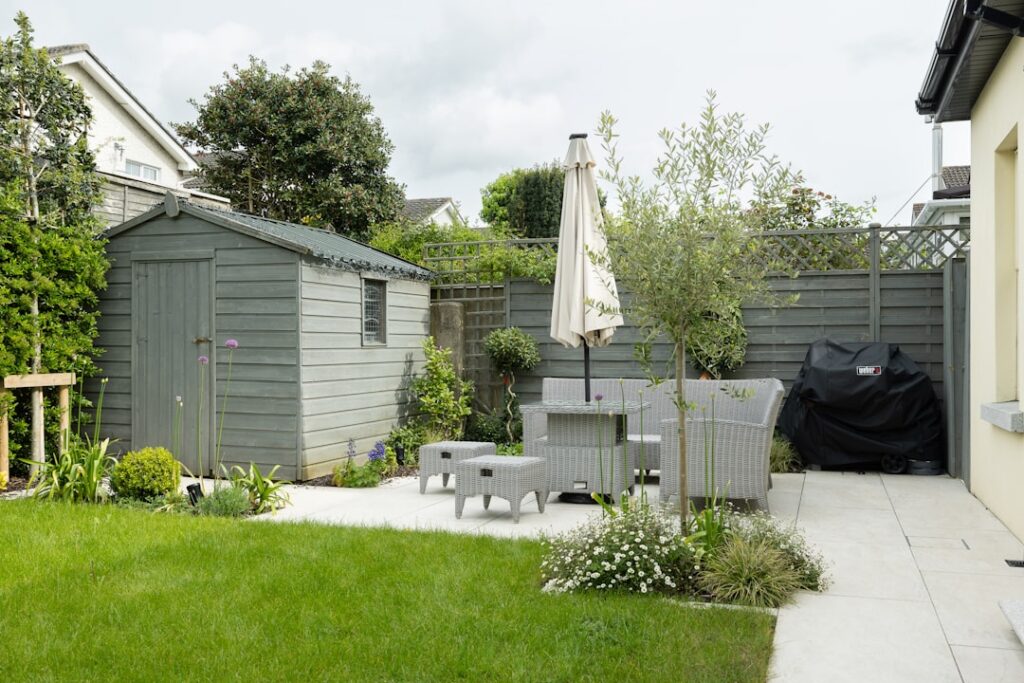
Choosing the right garden flooring transforms an ordinary yard into a functional outdoor living area. Whether you want a smooth surface for dining, a durable path between garden beds, or a stylish patio for entertaining, the flooring material you select determines the look, feel, and maintenance requirements of your garden for years to come.
- Key Factors When Choosing Garden Flooring
- Best Garden Flooring Options
- Natural Stone Pavers
- Concrete Pavers
- Porcelain Outdoor Tiles
- Wood Decking
- Composite Decking
- Gravel and Pebbles
- Brick Pavers
- Artificial Grass
- Rubber Pavers
- Interlocking Deck Tiles
- Garden Flooring Ideas by Style
- Installation Tips for Garden Flooring
- Garden Flooring Cost Comparison
- Maintenance by Material
- Final Thoughts
Unlike indoor flooring, garden surfaces must withstand rain, freezing temperatures, UV exposure, soil moisture, and heavy foot traffic — all while looking attractive year-round. This guide compares the most popular garden flooring options so you can make the right choice for your space and budget.
Key Factors When Choosing Garden Flooring
Before selecting a material, consider these critical factors:
- Drainage — water must be able to drain away from the surface to prevent pooling, algae growth, and damage to adjacent structures.
- Durability — outdoor surfaces face UV radiation, freeze-thaw cycles, moisture, and heavy loads. Choose materials rated for your climate.
- Slip resistance — wet outdoor surfaces can be dangerous. Prioritize textured or naturally grippy materials.
- Maintenance — some materials require annual sealing, staining, or pressure washing. Others need virtually no upkeep.
- Aesthetics — your garden floor should complement your home’s architecture, landscaping, and outdoor furniture.
- Budget — costs range from under $1 per square foot for gravel to $20+ for premium natural stone.
- Installation complexity — some options are straightforward DIY projects, while others require professional installation.
Best Garden Flooring Options
Natural Stone Pavers
Natural stone is the premium choice for garden flooring. Flagstone, slate, bluestone, travertine, and limestone create timeless, elegant surfaces that age beautifully.
- Pros: Unmatched beauty, extremely durable, unique variations in color and texture, increases property value
- Cons: Expensive, heavy, may require professional installation, some stones are slippery when wet
- Cost: $8 to $25 per square foot installed
- Lifespan: 50+ years with minimal maintenance
- Best for: Patios, formal garden paths, pool surrounds, outdoor dining areas
Flagstone is the most popular natural stone for garden use. Its irregular shapes create an organic, naturalistic look that blends seamlessly with garden plantings. Bluestone offers a more uniform, refined appearance.
Concrete Pavers
Concrete pavers are manufactured blocks available in a vast range of shapes, sizes, colors, and textures. They can mimic the look of brick, stone, or cobblestone at a fraction of the cost.
- Pros: Affordable, extremely versatile design options, interlocking systems allow DIY installation, individual pavers can be replaced if damaged
- Cons: Can fade over time without sealing, lower-end products look artificial, weeds can grow between joints
- Cost: $4 to $12 per square foot installed
- Lifespan: 25 to 50 years
- Best for: Patios, walkways, driveways, general garden areas
Porcelain Outdoor Tiles
Outdoor-rated porcelain tiles are a growing trend in garden design. They offer the clean, modern aesthetic of indoor tile with the durability to handle outdoor conditions.
- Pros: Very low maintenance, stain-resistant, available in wood-look and stone-look designs, consistent color and size
- Cons: Can crack under extreme freeze-thaw cycles if not rated for outdoor use, requires a level base, more expensive than concrete pavers
- Cost: $6 to $18 per square foot installed
- Lifespan: 30+ years
- Best for: Modern patios, rooftop gardens, covered outdoor areas
Wood Decking
Wood decking creates a warm, natural garden surface. Options include pressure-treated pine, cedar, redwood, and tropical hardwoods like ipe and teak.
- Pros: Warm, natural appearance; comfortable underfoot; can be built over uneven terrain; excellent for raised platforms and multi-level gardens
- Cons: Requires regular staining or sealing (annually for softwoods), can rot or warp, susceptible to termites, slippery when wet unless textured
- Cost: $5 to $20 per square foot installed (species-dependent)
- Lifespan: 10 to 30 years depending on species and maintenance
- Best for: Elevated decks, garden seating areas, poolside platforms
Composite Decking
Composite decking is made from a blend of wood fibers and plastic polymers, offering the appearance of wood with dramatically lower maintenance requirements.
- Pros: No staining or sealing required, rot-resistant, splinter-free, fade-resistant, eco-friendly (many brands use recycled materials)
- Cons: Higher upfront cost than wood, can get hot in direct sun, some products have a plastic appearance
- Cost: $8 to $25 per square foot installed
- Lifespan: 25 to 50 years
- Best for: Low-maintenance decks, garden platforms, contemporary outdoor spaces
Gravel and Pebbles
Gravel is the most affordable and flexible garden flooring option. It provides excellent drainage, easy installation, and a natural aesthetic.
- Pros: Very affordable, excellent drainage, easy DIY installation, natural appearance, available in many colors and sizes
- Cons: Shifts underfoot, uncomfortable for bare feet, needs periodic replenishment, weeds can grow through, not suitable for furniture placement
- Cost: $1 to $4 per square foot installed
- Lifespan: Indefinite with periodic top-ups
- Best for: Garden paths, mulch alternatives around plantings, casual seating areas, drainage zones
Pro tip: install a weed barrier fabric beneath gravel and use metal or stone edging to keep it contained. For a more stable surface, consider using a honeycomb grid stabilizer beneath the gravel.
Brick Pavers
Clay brick pavers bring classic, old-world charm to garden settings. They are particularly popular in cottage gardens, Colonial-style homes, and traditional landscapes.
- Pros: Timeless beauty, naturally slip-resistant, durable, sustainable (clay is a natural material), develops attractive patina over time
- Cons: Limited color range (red, brown, tan tones), can crack in severe freeze-thaw climates, moss and algae growth in shady areas
- Cost: $5 to $15 per square foot installed
- Lifespan: 25+ years
- Best for: Garden paths, cottage-style patios, edging around flower beds
Artificial Grass
Artificial grass provides a lush green surface year-round without watering, mowing, or fertilizing. Modern synthetic turf looks remarkably realistic.
- Pros: No watering or mowing, always green, soft underfoot, pet-friendly, good drainage when properly installed
- Cons: High upfront cost, gets hot in direct sun, not as environmentally friendly as natural alternatives, can look artificial up close
- Cost: $8 to $16 per square foot installed
- Lifespan: 15 to 25 years
- Best for: Small urban gardens, pet areas, rooftop gardens, children’s play areas
Rubber Pavers
Made from recycled tires, rubber pavers create a soft, cushioned surface that is ideal for play areas and pool decks.
- Pros: Extremely soft and safe (cushions falls), slip-resistant even when wet, made from recycled materials, easy to install
- Cons: Limited aesthetic appeal, can have a rubber odor initially, not suitable for formal garden areas
- Cost: $4 to $10 per square foot installed
- Lifespan: 15 to 20 years
- Best for: Children’s play areas, pool surrounds, workout zones
Interlocking Deck Tiles
Interlocking deck tiles snap together over any flat surface — concrete, gravel, or even existing patios — to create an instant garden floor without permanent installation.
- Pros: Quick DIY installation, removable and reusable, no tools required, available in wood, composite, and stone finishes
- Cons: Can shift on uneven surfaces, gaps between tiles can trap debris, not as durable as permanent installation
- Cost: $3 to $12 per square foot
- Lifespan: 5 to 15 years
- Best for: Balconies, rental properties, temporary patios, quick makeovers
Garden Flooring Ideas by Style
Modern Garden
Large-format porcelain tiles or smooth concrete pavers in gray or charcoal tones. Clean lines, minimal joints, and a monochromatic color palette.
Cottage Garden
Irregular flagstone or reclaimed brick pavers with creeping thyme or moss growing between joints. Winding paths and circular seating areas.
Mediterranean Garden
Terra cotta tiles, warm-toned natural stone, or patterned cement tiles. Earthy colors and textured surfaces.
Japanese Garden
Stepping stones through gravel, natural slate pathways, and smooth river pebbles. Minimalist design with intentional negative space.
Contemporary Minimalist
Composite decking with clean edges, large concrete slabs, or outdoor porcelain in wood-look finishes. Emphasis on geometric patterns and crisp edges.
Installation Tips for Garden Flooring
Proper Base Preparation
Most garden flooring requires a compacted gravel base for stability and drainage. The typical base consists of 4 to 6 inches of compacted crushed stone topped with 1 to 2 inches of sand for leveling.
Slope for Drainage
Always install garden flooring with a slight slope (1-2% grade) away from your home’s foundation and toward garden beds or drainage channels.
Edge Restraints
Pavers and gravel require edge restraints — metal, plastic, or stone borders — to prevent the material from spreading outward over time.
Weed Prevention
Install landscape fabric beneath gravel and between paver joints to reduce weed growth. Polymeric sand between paver joints also inhibits weed germination.
Garden Flooring Cost Comparison
Here is a side-by-side cost comparison for a 200-square-foot garden patio in 2026 (materials and installation):
- Gravel: $200 to $800
- Concrete pavers: $800 to $2,400
- Brick pavers: $1,000 to $3,000
- Wood decking: $1,000 to $4,000
- Porcelain outdoor tiles: $1,200 to $3,600
- Composite decking: $1,600 to $5,000
- Natural stone: $1,600 to $5,000
- Artificial grass: $1,600 to $3,200
Maintenance by Material
- Natural stone and concrete pavers: Annual pressure washing, seal every 2-3 years, remove weeds from joints
- Wood decking: Stain or seal annually, pressure wash, check for rot and insect damage
- Composite decking: Rinse with soap and water twice a year, no sealing required
- Gravel: Rake to redistribute, add fresh material as needed, remove weeds
- Artificial grass: Brush to maintain pile, rinse to remove debris and pet odors
- Porcelain tiles: Minimal — sweep and mop as needed
Final Thoughts
The right garden flooring depends on your climate, budget, maintenance tolerance, and design vision. For most homeowners, concrete pavers offer the best balance of affordability, durability, and style. If budget allows, natural stone creates an unmatched premium look that only improves with age.
For areas adjacent to your garden that transition indoors, consider coordinating with interior flooring materials like tile, hardwood, or vinyl to create a seamless visual flow between indoor and outdoor living spaces.
Whatever material you choose, invest time in proper base preparation and drainage planning. A well-built garden floor will serve you for decades, while a poorly installed one will shift, settle, and require constant repair.
Prefer to explore on your own?
See how new flooring looks in your actual room in seconds — free, no signup.
Try the free Floor Studio →