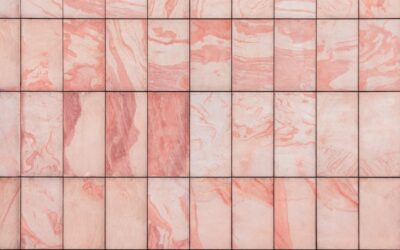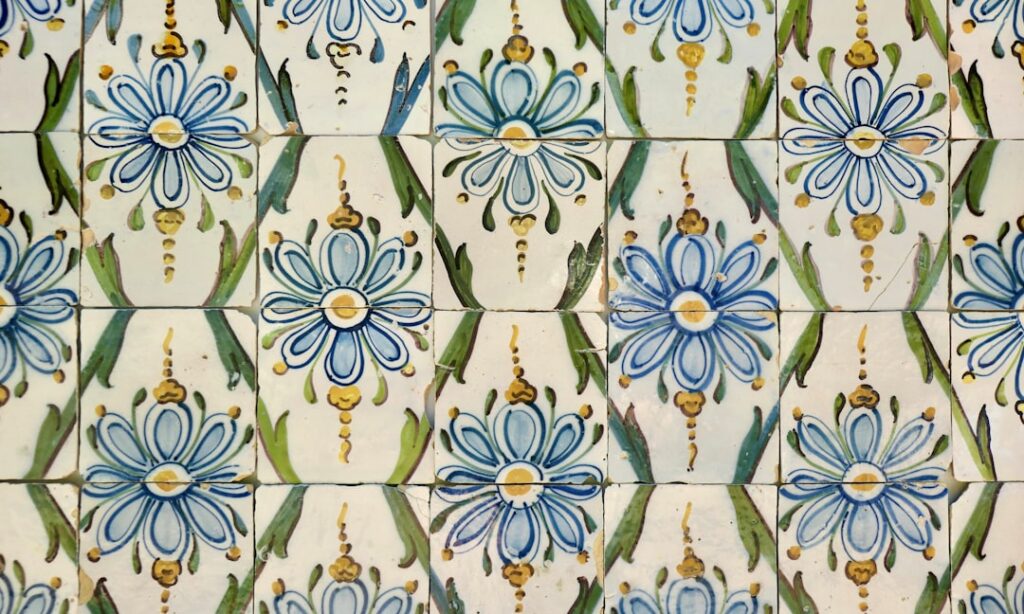
Extending finished flooring out into the yard has become one of the most popular ways to turn a plain patch of ground into a genuine outdoor room. Garden tile covers patios, pathways, courtyards, and pool surrounds with a durable, attractive surface that stands up to weather, foot traffic, and the freeze-thaw cycles that destroy lesser materials. From frost-proof porcelain to natural stone and interlocking deck tiles, the options are broader than most homeowners realize, and choosing correctly means the difference between a surface that lasts decades and one that cracks after a single hard winter. This guide walks through the materials, the ratings that matter outdoors, and how to install and care for garden tile.
Part of our Tile & Grout guide — explore the full guide →
Why Outdoor Tile Is Different
Not every tile that works indoors survives outside. Garden tile has to handle rain, temperature swings, direct sun, and wet conditions underfoot, so two ratings matter far more than they do indoors. The first is frost resistance, since water absorbed by a porous tile expands when it freezes and cracks the tile apart. The second is slip resistance, measured as a coefficient of friction or a slip rating, because a smooth tile that is safe in a dry kitchen becomes dangerous when wet with rain or pool splash. Choosing tile rated for outdoor use is not optional; it is what keeps the surface intact and safe.
Popular Garden Tile Materials
Several materials suit outdoor use, each with distinct strengths.
Porcelain Paving
Dense, low-absorption porcelain is the modern favorite for gardens. It is frost-proof, fade-resistant, and comes in convincing wood, stone, and concrete looks. Outdoor porcelain pavers are often 20mm thick, roughly twice the thickness of indoor tile, so they can be laid on gravel, sand, or pedestals as well as mortar.
Natural Stone
Slate, granite, travertine, limestone, and sandstone bring genuine texture and character. Stone is beautiful and durable but usually porous, so it needs sealing and careful selection for frost resistance in cold climates. Tumbled travertine and riven slate offer good natural grip.
Concrete and Composite Pavers
Manufactured concrete tiles and pavers are affordable, tough, and available in many shapes and colors, ideal for large patios and paths on a budget.
Interlocking Deck Tiles
Snap-together tiles with a base grid, topped in porcelain, composite, or wood, install over an existing hard surface without mortar, making them a quick DIY fix for balconies and worn concrete patios.
Reading the Ratings
When you shop, look past the appearance to the technical specs. For frost resistance, choose tile with a water absorption rating below 0.5 percent, which defines frost-proof porcelain, and confirm the manufacturer lists it as suitable for outdoor use. For slip resistance, look for a rating of R11 or higher on the R scale for wet areas like pool decks, or a listed dynamic coefficient of friction meant for exterior wet use. Textured, matte, and structured surfaces grip far better than polished ones outdoors, so save glossy finishes for indoor spaces.
Installation Options
How you lay garden tile depends on the material and the base.
- Mortar over a concrete slab: the traditional bonded method for a permanent, rigid surface; requires a sound, sloped slab and exterior-rated thinset and grout.
- Sand or gravel bed: thick 20mm porcelain pavers can be laid on a compacted aggregate and sand base like traditional pavers, with no mortar.
- Pedestal system: raised adjustable supports hold pavers level over a roof deck, uneven ground, or to hide drainage, leaving the joints open.
- Interlocking tiles: snap directly over an existing flat surface for the fastest, tool-light installation.
Whatever the method, the base must slope slightly, about a quarter inch per foot, away from the house so water drains rather than pooling.
Design Ideas for the Garden
Garden tile does more than pave; it shapes how the outdoor space feels. Large-format porcelain in a stone or wood look creates a seamless flow from an indoor living area onto a patio, blurring the line between inside and out. A path of stepping tiles set into gravel or lawn guides visitors through planting beds. Mixing tile with strips of grass or ground cover softens a large paved area, while a contrasting border defines a dining or seating zone. Cooler-toned tiles suit contemporary gardens, and warm sandstone or travertine tones complement traditional and Mediterranean planting.
Maintenance and Longevity
Outdoor tile needs modest but regular care to stay attractive. Sweep off leaves and debris that can stain, and wash the surface periodically with water and a mild cleaner to remove algae and grime, which build up in damp, shaded spots and can make tile slippery. Porcelain needs no sealing, but natural stone should be resealed periodically to fend off stains and moisture. Check and refresh the jointing, whether grout or a stabilizing joint compound between pavers, since open joints let weeds and water in. Address any cracked or lifted tiles promptly before water works its way into the base. Well chosen and maintained, garden tile turns an ordinary yard into a durable, good-looking extension of the home for many years.
Preparing the Base Correctly
No garden tile lasts longer than the base beneath it, and base failure is the most common reason outdoor paving cracks or shifts. For a mortared installation, the concrete slab must be sound, cured, and free of major cracks, since any movement below telegraphs straight up into the tile. For pavers set on aggregate, excavate to the proper depth, lay and compact a base of crushed stone several inches thick, and top it with a leveling layer of sand or a bedding of specialty gravel. Compaction is not optional; loose fill settles unevenly and leaves you with rocking, tripping tiles within a season. Getting the base right takes the most labor and delivers the most durability, so it is never the place to cut corners.
Drainage and Frost Considerations
Water management makes or breaks an outdoor surface. Beyond the slight slope that sheds surface water away from the house, think about where that water goes, directing it toward a lawn, drain, or gravel bed rather than a spot that will pool and freeze. In cold climates, the freeze-thaw cycle is relentless, so frost-proof porcelain or a properly rated stone plus open, permeable joints or a pedestal system that lets water drain freely will dramatically outlast a rigid, poorly drained install. In warmer regions, the bigger concerns are surface heat and slip resistance around pools, where lighter-colored, textured tiles stay cooler underfoot and grip better when wet.
DIY or Hire a Pro
Interlocking deck tiles over an existing patio are a genuine weekend DIY project requiring no special skills. Laying porcelain pavers on a compacted gravel base is achievable for a determined homeowner with the right tools and patience for the base prep. Mortaring tile to a slab, cutting around curves and drains, and getting the slope and joints right on a large patio, however, is skilled work where a professional’s experience shows in the finished result and its longevity. Weigh the size of the project, your tolerance for heavy prep work, and the cost of doing it twice before deciding.
Prefer to explore on your own?
See how new flooring looks in your actual room in seconds — free, no signup.
Try the free Floor Studio →