A cold shower is usually the first sign of trouble, and roughly 75 percent of no-hot-water calls on gas units trace back to just a handful of common causes. When your gas water heater not working leaves you without hot water, a methodical check often reveals a fix you can handle yourself before calling a plumber. This guide walks through the likely culprits in order, with clear safety guidance throughout.
- Safety First Before You Begin
- Start With the Basics
- Relighting the Pilot Light
- The Thermocouple: A Frequent Failure Point
- Check the Gas Valve and Control Unit
- When the Burner Lights but Water Stays Cold
- Discolored Water or Odors
- Strange Noises
- When to Call a Professional
- Knowing When to Replace
- Final Thoughts
Safety First Before You Begin
Gas appliances demand respect. If you smell gas, a rotten-egg odor, do not light anything, do not flip switches, leave the home immediately, and call your gas utility or emergency services from outside. Only proceed with troubleshooting once you are certain there is no gas leak. Keep the area around the heater clear of flammable materials, and when in doubt about any step, stop and call a licensed professional.
Start With the Basics
Before diving into components, rule out the simple explanations that account for many service calls.
- Gas supply: Confirm the gas valve feeding the heater is fully open and that other gas appliances in the home are working. If the whole house has no gas, the problem is upstream of the heater.
- Thermostat setting: Check that the temperature dial has not been bumped down or to vacation mode.
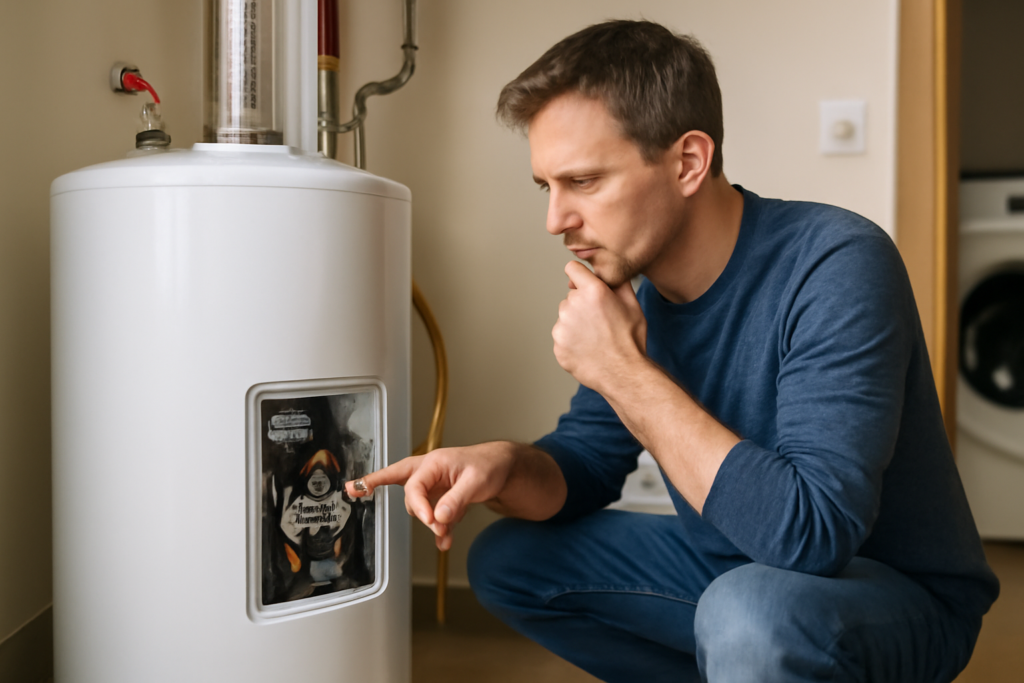
- Pilot light: Look through the viewing window near the base. If the flame is out, that is likely your answer.
- Recent usage: A heater that simply ran out after heavy use may just need time to recover.
Relighting the Pilot Light
An extinguished pilot light is the single most common reason a gas water heater stops producing hot water. Most modern units have a sealed combustion chamber with an electronic igniter, while older ones light manually. Follow the instructions printed on your specific unit, but the general process is consistent.
- Turn the gas control knob to the off position and wait at least five minutes for any residual gas to clear.
- Set the temperature dial to low.
- Turn the knob to the pilot position and press it in to release gas to the pilot.
- Press the igniter button repeatedly, or hold a long lighter to the pilot on older models, until the flame catches.
- Keep the knob pressed for about 30 to 60 seconds after the flame lights, then release.
- Turn the knob to the on position and set your desired temperature.
If the pilot lights but goes out as soon as you release the knob, the problem usually lies with the thermocouple.
The Thermocouple: A Frequent Failure Point
The thermocouple is a safety sensor that detects whether the pilot flame is burning. If it senses no flame, it shuts off the gas to prevent a dangerous buildup. When a thermocouple is dirty, bent out of position, or worn out, it misreads the flame and cuts the gas even though the pilot is lit, causing the pilot to die repeatedly.
- Dirty thermocouple: Carbon buildup can be gently cleaned with fine sandpaper or a cloth once the unit is cool and the gas is off.
- Misaligned thermocouple: The tip should sit directly in the pilot flame. If it has drifted, repositioning it can solve the problem.
- Failed thermocouple: If cleaning and repositioning do not help, the part is inexpensive and replaceable, though many homeowners prefer a plumber for this job.
Check the Gas Valve and Control Unit
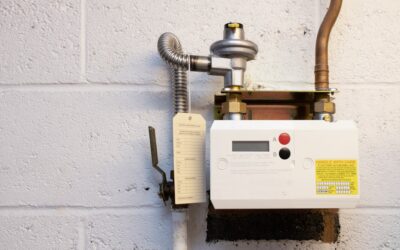
If the pilot will not light at all despite a confirmed gas supply, the gas control valve may be at fault. This combined thermostat and valve assembly regulates gas flow and can fail over time. Some units have a status light that blinks an error code; consult the label on the heater to interpret it. A failed gas control valve typically requires professional replacement, as it involves working directly with the gas supply.
When the Burner Lights but Water Stays Cold
Sometimes the pilot and burner work, yet the water never gets hot. Several issues can cause this.
- Sediment buildup: A thick layer of mineral sediment at the tank bottom insulates the water from the burner, reducing heat transfer. Flushing the tank can restore performance.
- Faulty thermostat: If the gas control thermostat misreads the water temperature, it may shut off the burner too early.
- Undersized heater or high demand: If hot water runs out fast rather than never arriving, the tank may simply be too small for the household.
- Dip tube problems: A broken dip tube allows cold incoming water to mix with the hot water at the top, producing lukewarm output.
Discolored Water or Odors
Rusty water suggests corrosion inside the tank or a depleted anode rod, while a sulfur smell often indicates bacteria reacting with the anode. Flushing the tank and, in some cases, replacing the anode rod can resolve these issues. Persistent rust-colored water, however, can signal that the tank itself is corroding through and nearing the end of its life.
Strange Noises
Popping, rumbling, or banging sounds during heating almost always point to sediment. As water trapped beneath the sediment layer heats and bubbles up, it creates noise and reduces efficiency. A thorough tank flush usually quiets the heater and improves performance. Persistent noise after flushing may mean the buildup has hardened and the tank is aging.
When to Call a Professional
Relighting a pilot and flushing a tank are reasonable do-it-yourself tasks. Call a licensed plumber when you encounter a failed gas control valve, a leaking tank, repeated thermocouple failures, persistent error codes, or any situation involving the gas line itself. Water pooling around the base of the tank is a particularly urgent sign, since it often means the tank has corroded through and needs replacement rather than repair.
Knowing When to Replace
Gas water heaters typically last 8 to 12 years. If your unit is in that range and suffers from a leaking tank, repeated failures, or rising operating costs, replacement is often more economical than ongoing repairs. A new, properly sized and efficient unit pays back through reliability and lower energy use. Replacement water heaters and installation vary widely, often falling in the range of $900 to $2,500 installed depending on capacity and region.
Final Thoughts
Most gas water heater problems come down to a pilot light, a thermocouple, a gas supply issue, or sediment buildup, and all but the gas valve are approachable for a careful homeowner. Work through the checks in order, respect every safety warning, and you will often restore hot water without a service call. At D and G Flooring, we believe understanding your home’s systems makes you a more confident homeowner, and a little troubleshooting know-how turns a cold-shower emergency into a manageable fix.