
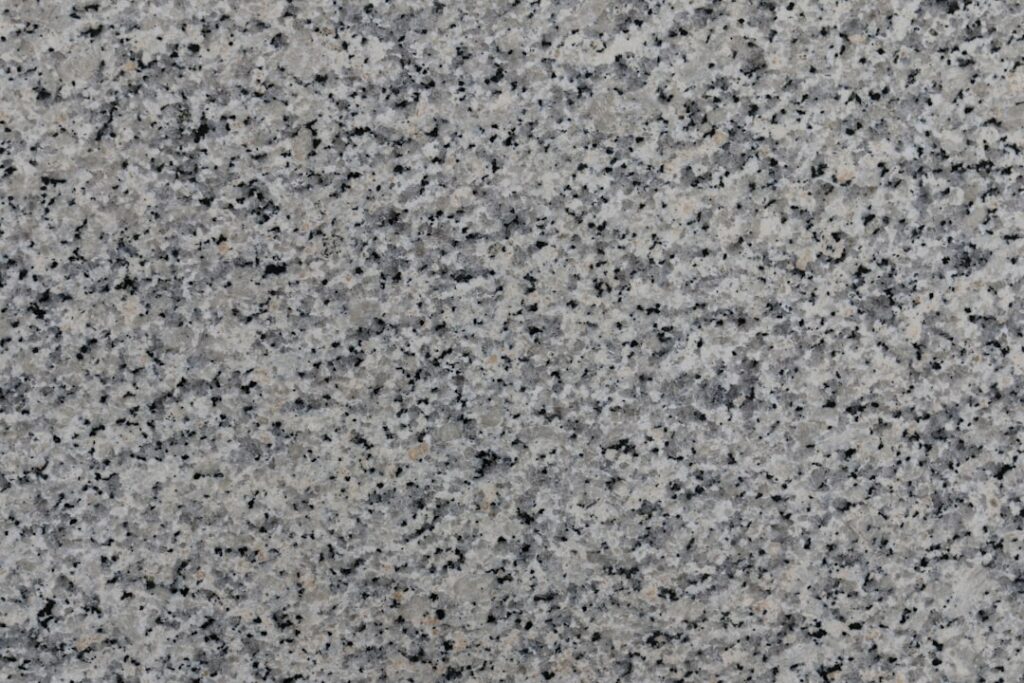
Type “granit countertop” into a search bar and you are almost certainly shopping for the same thing thousands of homeowners want: a natural stone surface that shrugs off hot pans, sharp knives, and decades of daily cooking. A granit countertop is one of the few upgrades that still moves the needle on resale while genuinely improving how a kitchen works day to day. Granite is quarried in giant blocks, sliced into slabs, then polished, so no two pieces are ever identical. That variation is exactly why people love it, and it is also why buying one takes a little more homework than picking a paint color.
Part of our Countertops guide — explore the full guide →
I have templated, fabricated, and installed hundreds of these slabs, and the questions homeowners ask me rarely match what the glossy showroom brochures answer. Here is the straight version, from what it costs to how you keep it looking new.
Why Homeowners Keep Choosing Granite
Granite earns its reputation on hardness. It ranks 6 to 7 on the Mohs scale, harder than a steel knife blade, so it laughs off the cutting that dulls softer surfaces. Set a 400°F cast iron skillet straight on it and nothing happens. That heat tolerance alone wins over serious cooks who are tired of babying their counters.
Beyond durability, every slab is a genuine one-off. You get real movement, flecks of quartz, garnet, and feldspar, plus a depth that printed laminate can only imitate. Sealed properly, a granite top resists staining well, and minor scratches or chips can usually be filled and polished rather than replaced. Handled reasonably, it outlives trends and often outlasts the cabinets beneath it.
There is also a resale angle worth naming. Real estate listings still call out granite by name, and in many markets a stone counter is the difference between a kitchen that photographs as dated and one that reads as move-in ready.
What a Granite Countertop Actually Costs
Pricing is where most people get surprised, so here are realistic 2026 installed numbers, which include the slab, fabrication, and standard installation.
- Entry-level (Level 1) granite: $40 to $60 per square foot. Common colors like Uba Tuba, Santa Cecilia Light, and New Venetian Gold.
- Mid-grade (Level 2-3): $60 to $100 per square foot, with more dramatic movement and rarer coloring.
- Premium/exotic slabs: $100 to $200-plus per square foot for materials like Blue Bahia or heavily veined imports.
A typical 10-foot by 10-foot kitchen carries roughly 40 to 55 square feet of counter, so a mid-grade job usually lands between $3,000 and $5,500 installed. Budget extra for upgraded edge profiles, a bar-height overhang that needs support brackets, or more than one sink cutout. Undermount sink cutouts and cooktop cutouts often add $150 to $300 each, and a matching 4-inch backsplash runs about $10 to $15 per linear foot.
One more line item people forget: demolition and disposal of the old counter, plus reconnecting the sink and faucet. Expect $150 to $400 for that if it is not bundled into the quote.
Popular Colors and How to Match Them
Color drives the whole look, and lighting in your kitchen changes everything. Always view a full slab, not a 4-inch sample, before committing.
Warm neutrals
Santa Cecilia, New Venetian Gold, and Colonial Gold pair beautifully with cream, honey, and cherry cabinets. They hide crumbs and coffee rings, which is why they dominate busy family kitchens.
Cool grays and blacks
Steel Gray, Black Pearl, and Absolute Black read modern against white or navy cabinetry. Solid blacks look stunning but show dust and water spots, so plan on a quick daily wipe to keep them sharp.
Whites and dramatic movement
Alaska White, Colonial White, and Delicatus bring the airy, marble-like look many people chase without marble’s fragility. Expect to pay a premium and to inspect seams carefully, since busy patterns make seam matching harder.
Edge Profiles and Slab Thickness
Most granite comes in 2 cm (about 3/4 inch) or 3 cm (about 1 1/4 inch) thickness. I steer homeowners toward 3 cm whenever the budget allows, because it needs no plywood substrate, supports overhangs better, and simply feels more substantial. Two-centimeter slabs cost less but usually require a laminated buildup at the edge and full plywood backing.
Edge choice is cosmetic but affects price. Here is how the common options stack up:
- Eased or straight edge: the standard, usually included at no upcharge.
- Beveled: a clean 45-degree cut, a modest upgrade.
- Bullnose and half-bullnose: rounded and kid-friendly, mid-range cost.
- Ogee: the ornate S-curve, the priciest, often $10 to $20 per linear foot extra.
Sealing and Everyday Care
Granite is porous, so sealing matters, but it is easier than most people fear. Test whether yours needs sealing with the water drop test: splash a tablespoon of water on the surface and wait 15 minutes. If it darkens, the stone is absorbing and needs sealer. If it beads, you are protected.
Most granite wants resealing once every 12 to 24 months. Use a quality impregnating sealer such as Granite Gold or Miracle 511, wipe it on, let it dwell 5 to 10 minutes, then buff off the excess. The whole job takes under 30 minutes for an average kitchen.
For daily cleaning, skip the vinegar, lemon, and generic sprays. Acids etch and harsh chemicals strip sealer over time. Warm water with a drop of dish soap, or a dedicated stone cleaner, keeps the polish intact. Wipe spills of wine, oil, and citrus promptly and you will rarely see a stain.
Granite Versus the Alternatives
Quartz gets pushed hard in showrooms because it is engineered, nonporous, and needs no sealing. It is a fine choice, but it can scorch under a hot pan and its uniform look does not appeal to everyone. Granite wins on heat resistance and natural character; quartz wins on maintenance and consistency.
Compared with laminate, granite costs several times more up front but lasts decades longer and adds resale value laminate cannot. Against marble, granite is far more forgiving of acids and daily abuse, which is why I rarely recommend marble for a hard-working kitchen. If you cook often and want a surface you will not baby, granite remains the practical sweet spot.
Buying and Installation Tips
A few habits separate a smooth project from a frustrating one:
- Hand-select your actual slab at the yard and tag it. Photos never capture true movement or background tone.
- Ask where seams will fall and request they land away from the sink and main prep zone.
- Confirm the fabricator supports any overhang beyond 10 inches with brackets or corbels; unsupported granite can crack.
- Get the edge profile, sink type, and backsplash height in writing before templating day.
- Do not schedule plumbing reconnection until the installer confirms the top is fully cured and set.
Templating to installation usually runs 7 to 14 days while the shop cuts and polishes your slab. Installation itself is often a half-day for a standard kitchen, and you can typically use the counters the same evening.
Final Thoughts
A granit countertop, spelled correctly as granite, remains one of the smartest surface investments a homeowner can make when you match the color to your lighting, choose the right thickness, and keep up with simple sealing. Focus on hand-picking a slab you love, plan your seams thoughtfully, and treat the stone to gentle daily cleaning. Do that and your granite will outlast trends, absorb decades of cooking, and still look showroom-fresh long after cheaper surfaces would have been torn out and hauled away.


