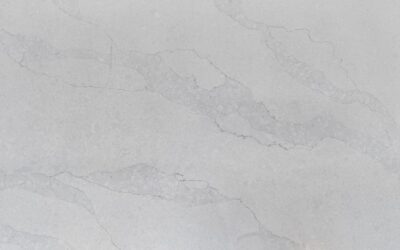
Few countertop terms cause more confusion than “quartz,” because it gets used for two very different products. Natural quartz countertops can mean engineered quartz, a man-made slab of ground natural quartz bound with resin, or it can point toward natural quartzite, a solid stone quarried in slabs. Understanding that distinction is the single most important step before you spend thousands on a kitchen surface.
Part of our Countertops guide — explore the full guide →
Both are excellent, both contain quartz, and both are marketed under overlapping names. But they behave differently in your kitchen, so let us clear up exactly what you are buying.
Engineered Quartz Versus Natural Quartzite
Here is the key nuance. Most products sold as “quartz countertops” are engineered quartz: roughly 90-plus percent ground natural quartz mixed with resins and pigments, then molded into slabs. It is a manufactured material, even though its main ingredient is natural stone.
Quartzite, by contrast, is a true natural stone, sandstone metamorphosed by heat and pressure into a hard, quartz-rich rock, cut directly from quarried blocks. So when someone says “natural quartz,” they may mean either the natural mineral content of engineered slabs or the genuinely natural stone quartzite. Always ask the fabricator which product you are actually looking at.
Engineered Quartz: Strengths and Trade-offs
Engineered quartz dominates kitchens for good reasons:
- Non-porous – the resin makes it highly stain-resistant and, crucially, it never needs sealing.
- Consistent – colors and patterns are uniform, so what you see in the showroom is what you get.
- Low maintenance – easy to clean and resistant to bacteria thanks to the sealed surface.
- Durable – very hard and scratch-resistant in normal use.
The trade-offs: it is less heat-tolerant than natural stone because the resin can scorch or discolor, so always use trivets. Prolonged direct sun can fade some engineered slabs, making it less ideal outdoors.
Natural Quartzite: Strengths and Trade-offs
Quartzite appeals to homeowners who want genuine stone with dramatic, one-of-a-kind veining, often resembling marble but harder. Its advantages:
- Extremely hard – quartzite is one of the harder natural stones and resists scratching well.
- Heat-tolerant – it handles hot cookware better than resin-based engineered quartz.
- Unique – every slab is different, with natural movement no factory can replicate.
The catch is that quartzite is a natural, somewhat porous stone, so it needs periodic sealing to resist stains and etching. It is also frequently confused with softer marble at the slab yard, and some stones sold as quartzite are actually dolomitic and more delicate, so buy from a reputable fabricator who tests the material.
Care and Sealing
Maintenance differs sharply between the two, which is why the distinction matters. Engineered quartz needs no sealing, ever; just clean it with mild soap and water or a pH-neutral cleaner, and avoid harsh abrasives and strong solvents.
Quartzite, being natural stone, benefits from sealing at installation and resealing periodically. Use the water-bead test: if water stops beading and starts soaking in, it is time to reseal. Clean quartzite with a stone-safe, pH-neutral cleaner and wipe acidic spills promptly. For both materials, use a cutting board and trivets to protect the surface and your knives.
Cost Expectations
Both sit in the premium countertop tier, though pricing overlaps. As a general guide, installed engineered quartz commonly runs from around $50 to $120 per square foot, while natural quartzite often lands in a similar to slightly higher range depending on rarity and slab availability. Edge profiles, slab thickness, cutouts, and your region all move the number.
These are estimates, not firm quotes. Because stone pricing fluctuates and quartzite varies widely by color and origin, visit a fabricator, view actual slabs, and get a written measure-and-install estimate before budgeting.
How to Choose Between Them
Match the material to how you live. If you want a worry-free, uniform, no-sealing surface and a predictable look, engineered quartz is the practical winner, especially for busy families. If you crave genuine natural stone with dramatic, irreplaceable veining and you do not mind occasional sealing, quartzite rewards you with character and superior heat tolerance.
Whichever you pick, get the terminology straight with your supplier first. Confirm in writing whether your natural quartz countertops are engineered slabs or natural quartzite, because that one fact determines your maintenance, your heat habits, and how the surface will perform for the decades you will own it.
How They Compare to Granite and Marble
It helps to see where these materials sit among the other stone options. Granite is a natural igneous stone, harder to scratch and more heat-tolerant than engineered quartz, but porous and in need of sealing like quartzite. Marble is softer and far more prone to etching and staining, prized for looks but demanding in care. Engineered quartz offers the most carefree maintenance of the group because it never needs sealing.
So the hierarchy roughly goes: engineered quartz for lowest maintenance and most consistent appearance; quartzite for genuine natural stone that is harder and more heat-tolerant than quartz but needs sealing; granite for durable, heat-friendly natural stone with a different look; and marble for unmatched classic beauty at the cost of higher upkeep. None is simply best; the right pick depends on your priorities.
Slab Selection and Installation Tips
For quartzite, always hand-select your slabs, since natural variation is significant and you want the movement placed where you will see it. Ask the fabricator to dry-lay or template so seams fall in inconspicuous spots. For engineered quartz, viewing a full slab rather than a small sample is still wise, because large-scale patterns can look different across a whole counter. With either material, professional templating and installation are strongly recommended; these are heavy slabs, and precise cutouts for sinks and cooktops are not a DIY job. A good fabricator protects your investment and ensures tight, well-placed seams.
Edge Profiles and Thickness
A few finishing choices shape the final look and cost. Slabs commonly come in roughly 2 cm and 3 cm thicknesses; the thicker option feels more substantial and often needs no plywood backing, while thinner slabs may be built up at the edge to look thick. Edge profiles range from clean, modern eased and mitered edges to traditional ogee and bullnose shapes. Each adds character and, in some cases, cost, so review samples in person. Decide these details with your fabricator early, since they affect both the quote and the timeline for your finished counters.