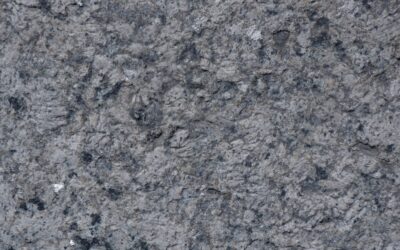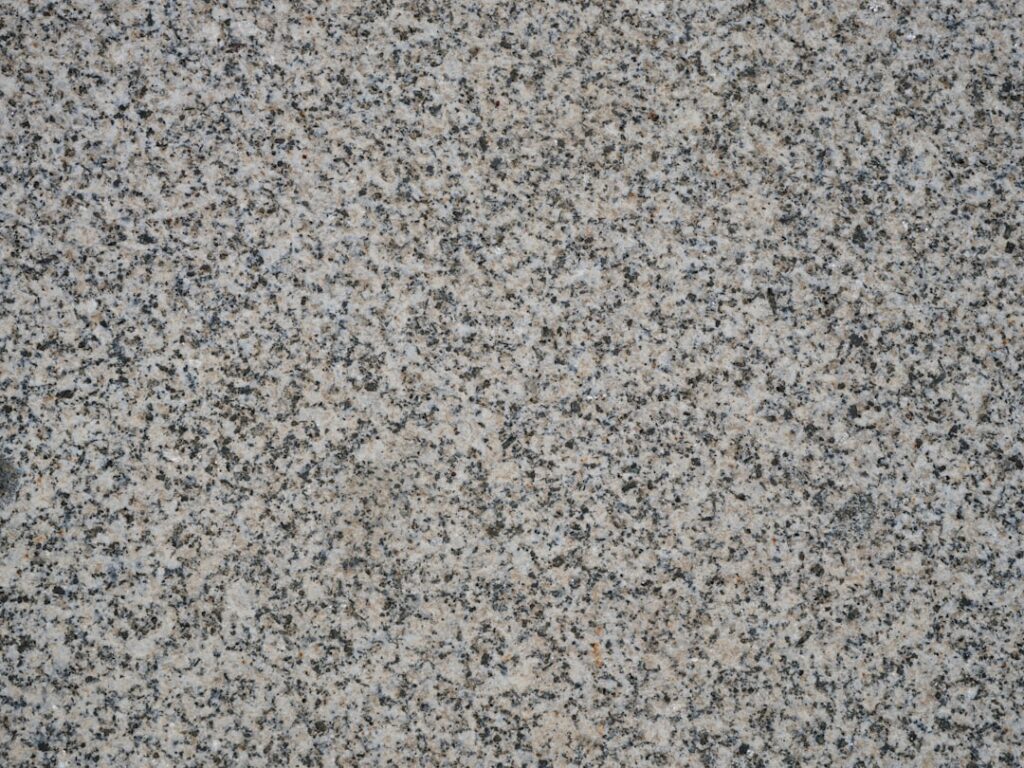
Granite samples are small pieces of natural stone that let you evaluate color, pattern, and finish in your own kitchen before committing to a full slab. Because granite is a natural material with significant variation, judging it from a website photo or a tiny showroom chip is a recipe for disappointment, which is exactly why getting samples into your home is one of the smartest steps in the selection process.
Part of our Countertops guide — explore the full guide →
A countertop is a major, long-lasting investment, and the difference between a color that delights you and one that clashes often comes down to seeing real stone under real lighting.
Why Samples Matter So Much
Granite varies dramatically from slab to slab, and even within a single slab. The mineral content that gives granite its color also creates unpredictable veining, speckling, and movement, so two pieces labeled the same name can look noticeably different. A photograph flattens all of that and rarely captures the true tone.
Lighting compounds the issue. A slab that looks warm gray in a showroom’s fluorescent light can read cool or even blue under your kitchen’s incandescent bulbs and daylight. Bringing a physical sample home is the only reliable way to see how the stone behaves where it will actually live.
Where to Get Granite Samples
You have several avenues, and using more than one gives the fullest picture.
- Stone yards and fabricators: Often the best source, since they can provide sizable samples and let you view full slabs in person.
- Home improvement stores: Carry sample chips and can order larger pieces, convenient for narrowing initial choices.
- Online retailers: Many will mail samples, sometimes free or for a small refundable fee, useful for early browsing.
- Kitchen designers and contractors: Frequently keep sample libraries and can guide you toward stones that suit your design.
How to Evaluate a Sample at Home
Once you have samples, test them deliberately rather than glancing and deciding.
- Place the sample on your existing or planned cabinets and against your backsplash and wall color.
- View it at different times of day, in morning light, afternoon sun, and under your evening artificial lighting.
- Set it near your flooring and any fixed elements like appliances so you see the whole palette together.
- Feel the finish, whether polished, honed, or leathered, and notice how it shows fingerprints and light.
- Live with it for several days before deciding, since first impressions can shift.
Pay attention to undertones. A granite that seems neutral may carry warm gold or cool gray undertones that either harmonize with or fight your cabinets.
The Limitation of Small Samples
A sample tells you color, finish, and general character, but it cannot show the large-scale movement and veining of a full slab. A stone that looks subtly speckled in a four-inch square may have bold rivers of color across a full six-foot slab. For this reason, always view and ideally hand-select the actual slabs your countertop will be cut from once you have narrowed your choice using samples.
Reputable fabricators encourage slab viewing precisely because the sample is a starting point, not the final word. Approving a specific slab protects you from surprises after installation.
Using Samples to Coordinate Your Design
Samples are a coordination tool as much as a color choice. Gather your cabinet door sample, paint chips, flooring sample, and backsplash tile, then lay the granite among them. Seeing the whole material story together reveals clashes that are invisible when you consider each element alone.
If you are torn between a few stones, this side-by-side approach almost always clarifies the decision. A granite that looked perfect on its own can fall apart next to a warm wood floor, while a runner-up suddenly ties the room together.
Testing a Sample’s Performance
Samples are not just for looks; they let you check how a stone will hold up in a working kitchen. On a spare sample you are willing to sacrifice, you can perform simple tests that reveal a granite’s porosity and durability before it goes in your home. These quick checks help you understand the maintenance the stone will demand.
- Water test: Place a few drops of water on the surface and watch. If it beads and sits, the stone is dense and well-sealed; if it soaks in and darkens, the granite is more porous and will need diligent sealing.
- Lemon or acid test: A drop of lemon juice left briefly shows whether the stone reacts or etches, indicating how it will handle acidic spills.
- Oil test: A drop of cooking oil reveals how readily the stone stains, useful information for a busy kitchen.
Wipe tests away promptly and never perform them on a sample you plan to keep pristine. The results guide both your choice and your sealing routine.
Keeping Samples Organized
When you are comparing several stones over days or weeks, a little organization prevents confusion. Label the back of each sample with the granite name, the supplier, and the price so you do not mix them up, since many granites look similar at a glance. Photograph each sample in your kitchen lighting alongside your cabinet and flooring samples for an easy reference when you are away from home.
Narrow your choices to two or three favorites, then bring those finalists back to the stone yard to view against full slabs. This staged approach, from many samples down to a few, then to actual slabs, keeps the decision manageable and ensures the stone you fall for in a small piece still wins when you see it at full scale.
Cost and Practical Tips
Many granite samples are free or inexpensive, with online retailers sometimes charging a small fee that is refunded against a purchase. The cost is trivial compared with the price of a full countertop, so order generously and compare several options rather than betting on one.
Keep your favorite samples until installation is complete, both as a reference for color matching the seams and backsplash and as a record of what you selected. Used well, granite samples turn an intimidating, high-stakes purchase into a confident decision, ensuring the countertop you install is the one you truly wanted.