Most people who regret a gray bathroom vanity did not pick the wrong color. They picked the wrong gray. A cabinet that looked like soft pewter in the showroom can read as cold concrete next to beige tile, or turn faintly purple under a cool LED bulb. Gray is not one color but a family of tinted neutrals, and every one of them leans warm, cool or green once it sits in a real room.
Part of our Bathroom Remodeling & Flooring guide — explore the full guide →
The fix is simple once you know what to look for. Identify the undertone of the gray you like, match it to the fixed surfaces you are keeping (floor tile, shower walls, tub), then choose a countertop and metal finish that either echo or deliberately contrast with that undertone. Get those three decisions right and a gray vanity looks calm and intentional for years, long after trendier colors have dated.
- Choosing a Gray Bathroom Vanity: Warm vs Cool Shades
- Pairing a Gray Vanity With Tile
- Best Countertops for a Gray Vanity
- Metal Finishes and Hardware That Suit Gray
- Lighting, Paint and Accessories
- Sizing, Installation and General Costs
- Troubleshooting Common Gray Vanity Problems
- When to Call a Pro
- Frequently Asked Questions
Gray also does practical work. Mid-tone grays hide water spots, toothpaste splatter and minor dings far better than bright white, and they stay neutral enough to survive a change of towels, paint or mirrors without looking out of step.
Choosing a Gray Bathroom Vanity: Warm vs Cool Shades
Start with undertone, because it decides everything that follows. Hold a paint chip or door sample against a sheet of plain white printer paper in daylight. The comparison exposes the hidden tint quickly.
- Cool grays lean blue, violet or slightly green. They look crisp and modern, pair naturally with white marble-look tops, chrome and polished nickel, and suit bathrooms with north-facing windows only if you add warm lighting to keep them from feeling chilly.
- Warm grays (often called greige) carry a beige, taupe or brown base. They blend with travertine, cream porcelain, wood-look tile and older almond fixtures, and they feel cozy in small or windowless rooms.
- Green-leaning grays sit between the two. Sage-gray and eucalyptus-gray finishes are popular because they soften harsh white tile without fighting warm wood floors.
Depth matters as much as undertone. Light dove gray reflects light and keeps a narrow powder room feeling open. Mid-tone slate or storm gray is the most forgiving everyday color and works in family bathrooms. Charcoal and near-black grays add weight and drama but show dust, lint and hard-water film more than you might expect, so they suit a guest bath or a well-ventilated primary suite better than a kids’ bathroom.
Painted, Stained or Wood-Look Gray
A painted gray vanity gives a solid, uniform color and is easy to touch up. A gray-washed or gray-stained wood lets the grain show through, which adds texture and pairs well with farmhouse or coastal styles. Thermofoil and melamine cabinets in gray are budget-friendly and wipe clean, but chipped edges cannot be repainted easily. If you see the phrase grey bathroom vanity on a product listing, it is the same thing, just the British spelling that many retailers also use.
Pairing a Gray Vanity With Tile
Your tile is the hardest surface to change, so let it lead. Bring a vanity door sample or paint chip home and lay it directly on the floor tile and against the shower wall before you buy.
- White subway or square tile: almost any gray works. Cool grays look sharp and clean; warm grays keep a white bathroom from feeling clinical.
- Beige, cream or tan tile: stick to warm greige or taupe-gray. A blue-gray vanity next to beige tile is the most common mismatch and makes both surfaces look dingy.
- Gray tile: avoid an exact match. Go at least two shades lighter or darker than the tile so the cabinet reads as furniture rather than blending into the floor.
- Wood-look plank tile: mid-tone warm grays or green-grays complement the brown tones. Very cool grays can make the wood look orange.
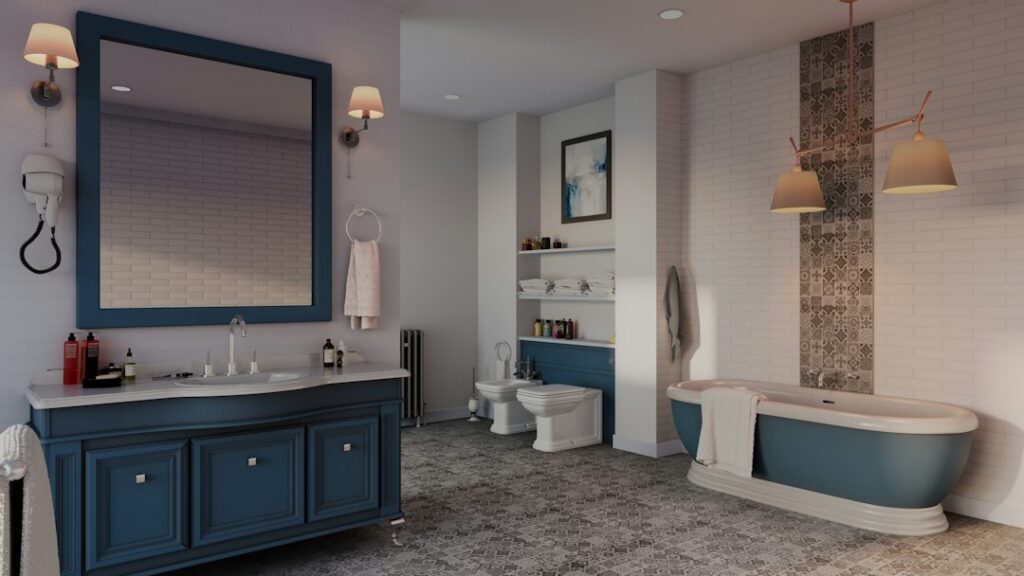
- Patterned cement or encaustic-look tile: pull the darkest gray from the pattern for the vanity, and keep the countertop plain.
Grout color also counts. Charcoal grout with white tile creates a strong graphic grid that pairs well with a charcoal or slate vanity. Light gray grout softens everything and suits dove or pale greige cabinets.
Best Countertops for a Gray Vanity
Many shoppers find buying a bathroom vanity with top already installed saves time and avoids measuring headaches, since the sink cutout and faucet drillings come pre-made. If you go that route, judge the top and the cabinet as a pair rather than separately.
White and Off-White Tops
Pure white quartz or cultured marble is the safest choice for cool grays. For warm grays, choose an off-white or cream top so the contrast feels softer. White marble-look surfaces with gray veining tie the countertop to the cabinet beautifully, as long as the veining undertone matches the cabinet (blue-gray veins with cool cabinets, taupe veins with warm ones).
Darker and Natural Tops
A light dove-gray cabinet with a dark soapstone-look or black quartz top creates a crisp reverse contrast that works well in modern rooms. Butcher block or wood-look tops warm up mid-tone grays and feel rustic, though real wood near a sink needs a marine-grade finish and diligent wiping. Concrete-look tops can work with charcoal cabinets but risk looking monotonous unless you add warm metal or wood elsewhere.
Practical Surface Notes
Quartz resists staining and needs no sealing, which makes it the low-maintenance pick for family bathrooms. Granite and marble need periodic sealing; marble also etches from acidic cleaners and some cosmetics. Cultured marble is affordable and has an integrated bowl, but it can scratch and dull over time. Whatever you choose, keep the top at least as light as the floor in a small bathroom, so the room does not feel bottom-heavy.
Metal Finishes and Hardware That Suit Gray
Hardware is where a gray vanity gets its personality, and it is also the cheapest part to change later.
- Polished chrome: bright and cool. Best with blue-grays and crisp white tops. Shows water spots but cleans fast.
- Brushed nickel: a soft, forgiving middle ground that suits almost every gray and hides fingerprints well.
- Matte black: strong contrast with light and mid grays; nearly invisible on charcoal, so use it there only if you want a monochrome look.
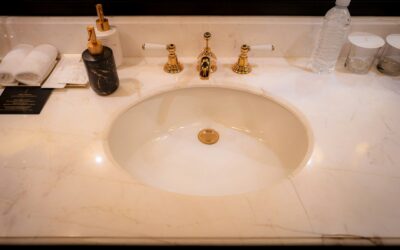
- Brushed brass or gold: the classic partner for warm grays and green-grays. It also makes a charcoal vanity feel rich instead of heavy.
- Oil-rubbed bronze: suits warm grays in traditional or farmhouse bathrooms, but can look muddy against cool slate.
You do not need every metal to match. A common, reliable approach is one main finish for the faucet, shower trim and cabinet pulls, plus one accent finish for a mirror frame or light fixture. Keep pull sizes in proportion: 3 to 4 inch pulls on small drawers, 5 to 8 inch pulls on wide drawers, and knobs on narrow doors.
Lighting, Paint and Accessories
Light changes gray more than any other color. Check your bulbs before you judge the vanity. Bulbs around 2700K to 3000K warm up any gray; 4000K and above push it cooler and can make greige look slightly green. For a bathroom used for makeup and shaving, many homeowners settle on 3000K with a high color rendering rating, which keeps grays true without feeling sterile.
Wall paint should step away from the cabinet. A pale warm white or soft cream behind a mid-gray vanity is easy to live with. Muted blue, sage or even a warm terracotta accent wall can work if the vanity gray is neutral enough. Avoid painting walls and cabinet the same gray unless you choose different sheens and want a deliberately tonal room.
Accessories finish the scheme. Wood trays, woven baskets and plants soften cool grays. White or cream towels keep things fresh; charcoal towels hide makeup marks on a light vanity.
Sizing, Installation and General Costs
Measure the wall width, the depth available before the door swing or toilet clearance, and the location of the drain and supply lines. Standard vanities run 24, 30, 36, 48 and 60 inches wide, with depths of about 18 to 22 inches and counter heights of roughly 32 to 36 inches. Taller comfort-height cabinets suit adults; shorter ones suit kids’ baths.
Typical steps for swapping a vanity yourself:
- Shut off the water at the supply valves, open the faucet to relieve pressure, and keep a bucket and towels handy.
- Disconnect the supply lines and P-trap, then remove the old top and cabinet. Cut caulk lines with a utility knife first.
- Check the floor and wall for water damage or soft spots before setting the new cabinet.
- Level the cabinet with shims and fasten it through the back rail into wall studs.
- Set the top on a bead of silicone, install the faucet and drain, reconnect the trap and supplies, and run water while checking for drips.
- Caulk the backsplash joint with a mildew-resistant silicone and let it cure before regular use.
Costs vary widely by size and material. Flat-pack and big-box gray vanities with a top often fall in the low hundreds of dollars for smaller sizes. Solid wood or furniture-style units with stone or quartz tops commonly run from several hundred to a few thousand dollars, and double-sink custom pieces go higher. Professional installation for a straight swap is often a few hundred dollars, more if plumbing must move.
Troubleshooting Common Gray Vanity Problems
- Vanity looks purple or blue: usually a cool gray under cool light. Switch to warmer bulbs or add brass hardware and wood accents.
- Vanity looks dirty or muddy: a warm gray clashing with cool white tile. Brighten with a crisp white top and chrome, or repaint in a neutral gray.
- Doors swelling at the bottom edge: water is wicking into particleboard. Wipe splashes promptly, run the exhaust fan for 20 minutes after showers, and seal raw edges.
- Paint chipping on a painted vanity: lightly sand, prime with a bonding primer, and use a cabinet-grade enamel in satin or semi-gloss.
- Visible water spots on charcoal: dry the surface after use, and use a pH-neutral cleaner rather than abrasive powders.
When to Call a Pro
A like-for-like swap is a reasonable weekend project for a handy homeowner. Call a licensed plumber if you need to move the drain or supply lines, convert from a single to a double sink, or find corroded valves that will not shut off fully. Bring in a carpenter or contractor if the floor under the old cabinet is soft, if the wall needs new blocking for a floating vanity, or if a heavy stone top must be lifted and set without cracking. Check whether your local building department requires a permit for relocated plumbing.
Frequently Asked Questions
Is a gray bathroom vanity still in style?
Yes. Gray remains a steady neutral for bathroom cabinetry. Warmer greige and green-gray shades feel more current than the stark cool grays popular a decade ago, but a well-matched mid-tone gray rarely looks dated.
What color countertop goes best with a gray vanity?
White or off-white quartz is the most versatile choice. Match the top’s undertone to the cabinet: bright white for cool grays, creamy white for warm grays. Dark tops work on light gray cabinets for contrast.
Should hardware on a gray vanity be black, brass or chrome?
Chrome and nickel suit cool grays, brass suits warm and green-grays, and matte black adds contrast on light or mid grays. Brushed nickel is the safest finish if you are unsure.
Can I paint my existing vanity gray?
Yes. Remove doors and hardware, degrease, scuff-sand, apply a bonding primer, and finish with two coats of cabinet-grade enamel. Allow full cure time before heavy use, often a week or more.
Does a dark gray vanity work in a small bathroom?
It can, if the walls, top and lighting stay light. A charcoal cabinet with a white top and bright, warm lighting anchors a small room without closing it in.